Benjamin Netanyahu will address the United Nations on Thursday while facing a rising tide of international criticism and large-scale protests in New York, according to reporting from international outlets. The Israeli leader arrives at the UN amid three ongoing conflicts — in Gaza, Lebanon and with Iran — and a reported surge in violence by settlers in the West Bank.
Diplomatic pressure and public opinion
Several Western governments are moving to penalise Israeli settlement activity in the occupied West Bank, with the United Kingdom, France and Canada reportedly preparing sanctions. Public opinion in the United States is shifting: a July Pew Research Centre survey cited in the reporting found that 62% of respondents said they had a negative opinion of Mr Netanyahu’s government, while a separate poll indicated 60% of American Jews hope he will be voted out in October.
Those figures underscore what critics describe as growing diplomatic isolation even as Israel’s UN ambassador sought to defend the government’s record. In a telephone interview ahead of the speech, Israeli ambassador Danny Danon acknowledged the difficulties of the past three years but cast criticism as the product of misinformation and bias.
"We are aware of the fact that we had a very challenging three years since October 7. We accomplished a lot, but we were criticised. We were under the spotlight, and for us, I think, we are proud of our achievements. At the same time, we will work harder to improve the image of Israel, and we know there’s a campaign against us," Danon said.
Street-level mobilisation
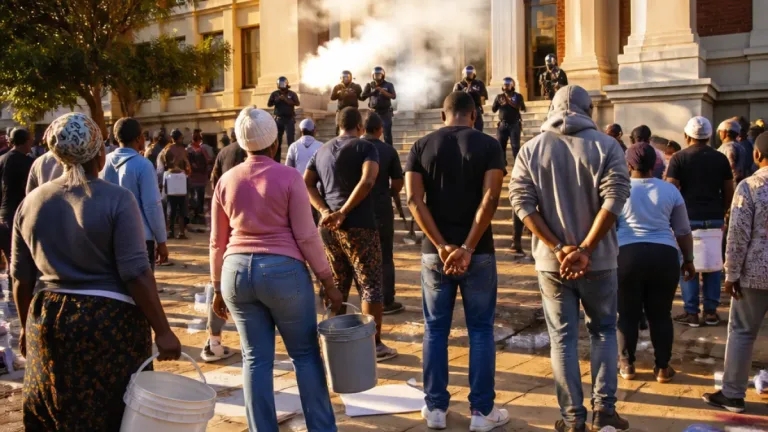
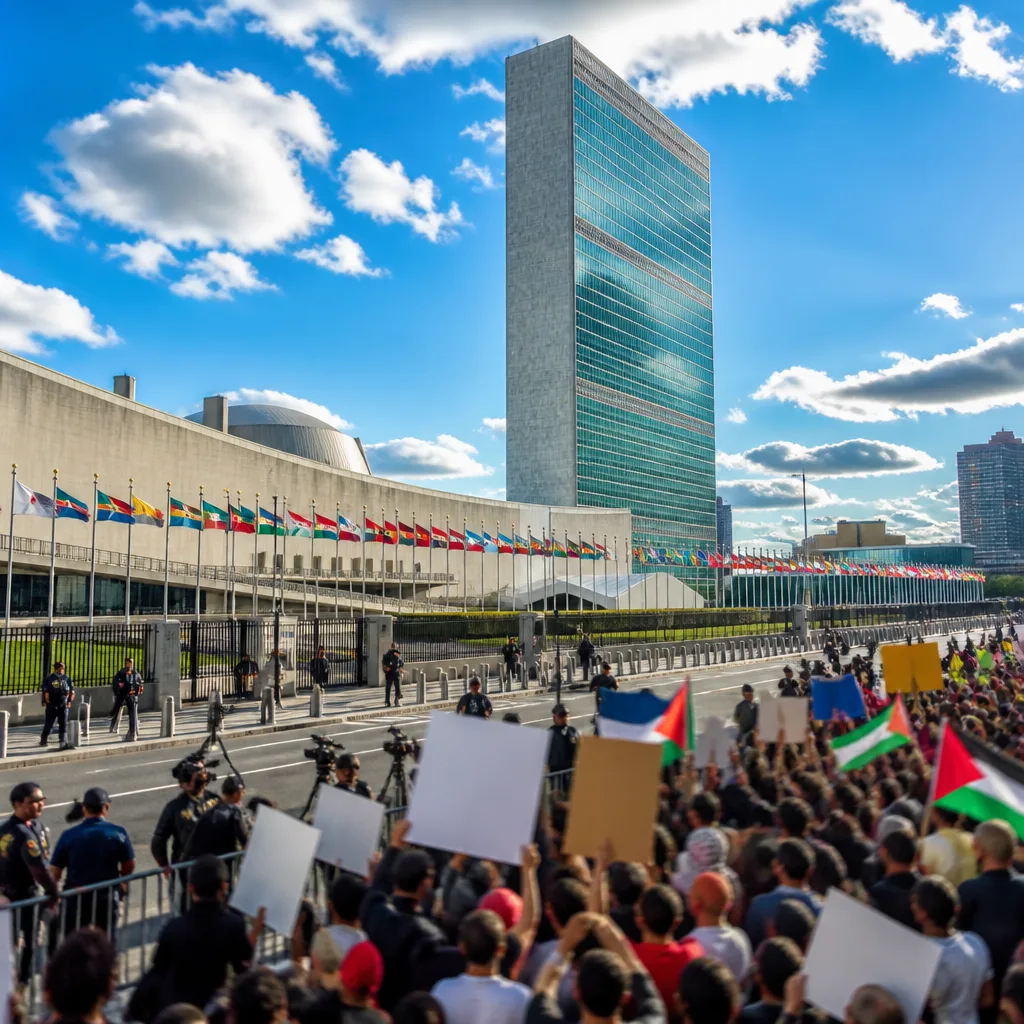
New York City authorities expect demonstrations both inside the UN General Assembly hall and on the streets. One protest planned will march from Bryant Park in midtown Manhattan to the UN headquarters in Turtle Bay, organisers say, to "reject war criminal Benjamin Netanyahu and the genocidal Zionist project". New York’s mayor, Zohran Mamdani, has sought to balance earlier rhetoric about possible arrests with a promise to protect demonstrators’ rights to protest.
The demonstrations are likely to be highly visible, increasing political pressure on diplomats and elected officials who will have to weigh domestic constituencies against international alliances and security considerations.
What is at stake
Observers cited in the reporting argue the speech will be both a defensive exercise and a bid to shore up international allies. Netanyahu faces a difficult political environment at home ahead of elections described as the toughest of his career, while internationally his government must contend with:
- Sanctions and policy shifts from key Western governments over settlement policy.
- Declining public support in the United States, including among American Jews.
- Heightened scrutiny at the UN and sustained street protests in New York.
The combination of diplomatic moves and public opinion shifts creates a complex diplomatic calculus: Western states must consider the political costs of measures such as sanctions, while Israel will be compelled to counter what its representatives describe as a campaign of misinformation.
| Measure | Reported figure |
|---|---|
| US respondents with a negative view of Netanyahu’s government | 62% (Pew, July) |
| American Jews hoping Netanyahu is voted out | 60% (recent poll) |
Consequences for diplomacy
For governments that still maintain close ties with Israel, the immediate challenge is reputational and political: how to respond to alleged abuses without severing long-standing security and intelligence cooperation. For Israel, the UN stage offers an opportunity to rally existing partners and to contest narratives of culpability in international forums.
For South Africa and other states that have been vocal on human rights and international law, the events in New York will be watched closely as a barometer of how global opinion and diplomatic action may evolve. The protests and the shifting polls signal that foreign leaders — including those in Washington and European capitals — are increasingly under domestic pressure to take a clearer position.
Netanyahu’s speech is expected to crystallise those tensions: a moment for the Israeli government to present its case to the world and for critics to make their grievances heard on the streets and within the UN’s halls.