Nine women were found dead across multiple communities in Ekurhuleni this year, deepening public outrage over gender‑based violence and femicide (GBVF) and raising fresh questions about whether recent state interventions have altered outcomes on the ground, a photographic timeline of seven years of protests shows.
Deaths across suburbs prompt fresh protests
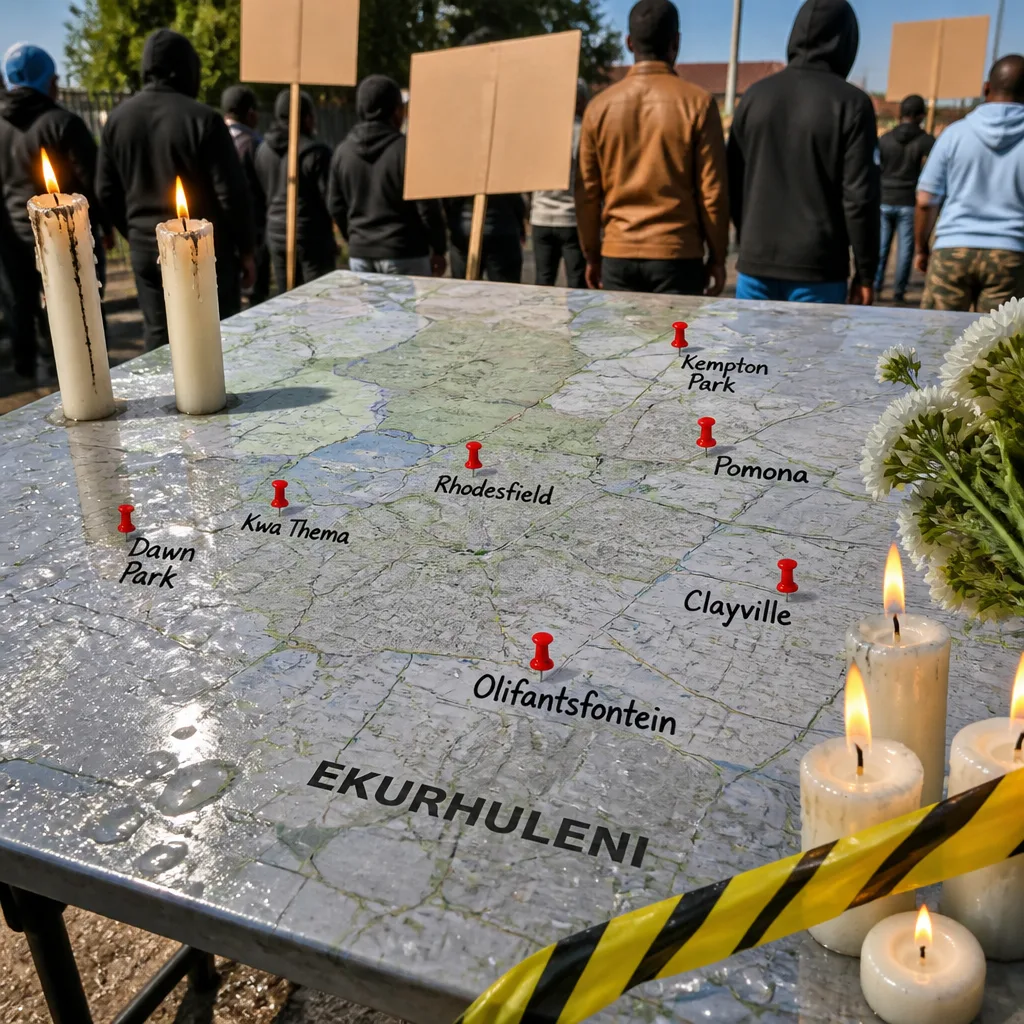
The timeline documents the discovery of nine bodies in Ekurhuleni areas including Kempton Park, Pomona, Clayville, Olifantsfontein, Rhodesfield, KwaThema and Dawn Park. Police were still determining whether the cases were connected, the timeline reported.
- Kempton Park
- Pomona
- Clayville
- Olifantsfontein
- Rhodesfield
- KwaThema
- Dawn Park
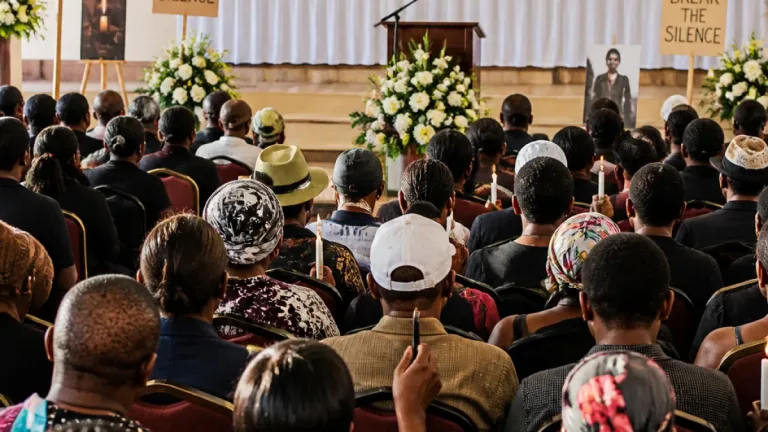
The images collected in the timeline show families waiting for names and answers, protesters demanding visible protection and signs turning anonymous victims into individual claims. Protest placards include the question “How many more?” and the hashtag #AmINext?
“How many more?” and “#AmINext?” appear repeatedly in the images, turning unidentified cases into human claims.
Policy measures have not quelled public anger
The photographic record links recent events back to unkept presidential promises from 2019, and argues that the state response remains inadequate despite formal steps taken since. In 2025 the government classified GBVF as a national disaster, raising expectations that the state would mobilise coordinated resources, implement measurable action and report progress to the public. The timeline says those expectations have not been met.
Further institutional reform followed. The National Council on Gender‑Based Violence and Femicide Act, 2024, created a permanent statutory body intended to coordinate and monitor the national response. The Council held its inaugural meeting on 31 August 2026, the timeline reported.
Questions of accountability and implementation
Photographs in the essay use visual detail to underscore systemic gaps: missing dockets, unclear oversight at police stations, and the absence of published safety audits. The timeline poses direct questions about who is accountable when survivors wait and when investigations stall — questions that remain unanswered in the images’ stark framing.
| Year | Key development |
|---|---|
| 2019 | Presidential promises on GBVF (unkept, according to the timeline) |
| 2024 | National Council on GBVF Act established |
| 2025 | GBVF declared a national disaster |
| 2026 | Inaugural Council meeting (31 August); discovery of nine bodies in Ekurhuleni |
The timeline argues the disaster classification heightened the state's responsibility but has not translated into sufficient protection for women and children. It asserts that classification requires coordination, transparent reporting and measurable action — elements the images suggest remain weak in practice.
What the images reveal
Beyond dates and policy changes, the photographic series centres human responses: family members, lawyers and protesters demanding answers at police stations and executive centres. One photograph shows a child’s image on a poster labelled #EndGBV, converting an unnamed case into a public plea for accountability. Another shows a crying protester, capturing the emotional toll on communities forced to wait for justice.
By tracing public demonstrations from 2019 through to 2026, the timeline frames the current crisis as a continuation of earlier failures rather than a series of isolated incidents. It highlights a gap between formal mechanisms — laws, councils, disaster status — and the realities of investigations, protection and public trust.
Officials have made several policy commitments in recent years, but the photographic record questions whether implementation and oversight have matched the scale of the crisis. The timeline’s images and captions make clear that many South Africans remain unconvinced that the state’s response has been sufficient to stop killings and to protect survivors.
This situation remains fluid. Police inquiries into the Ekurhuleni deaths are ongoing and it is not yet known whether the cases are linked. The images and chronology serve as a visual dossier that demands further public answers about accountability, police performance and the concrete effects of national policy on the safety of women and children.