One of the towns called Ladysmith on Vancouver Island, British Columbia, has joined a provincial pilot project that allows electric kick scooters, commonly known as e‑scooters, to operate on public roads and paths, the town said on Facebook.
What the pilot allows and how it is being assessed
The provincial pilot programme, now in its second year of a planned four years, lets municipalities opt in to permit e‑scooters locally while the province evaluates whether they should be authorised for permanent use. According to the town’s post, riders must meet a set of conditions to use e‑scooters legally.
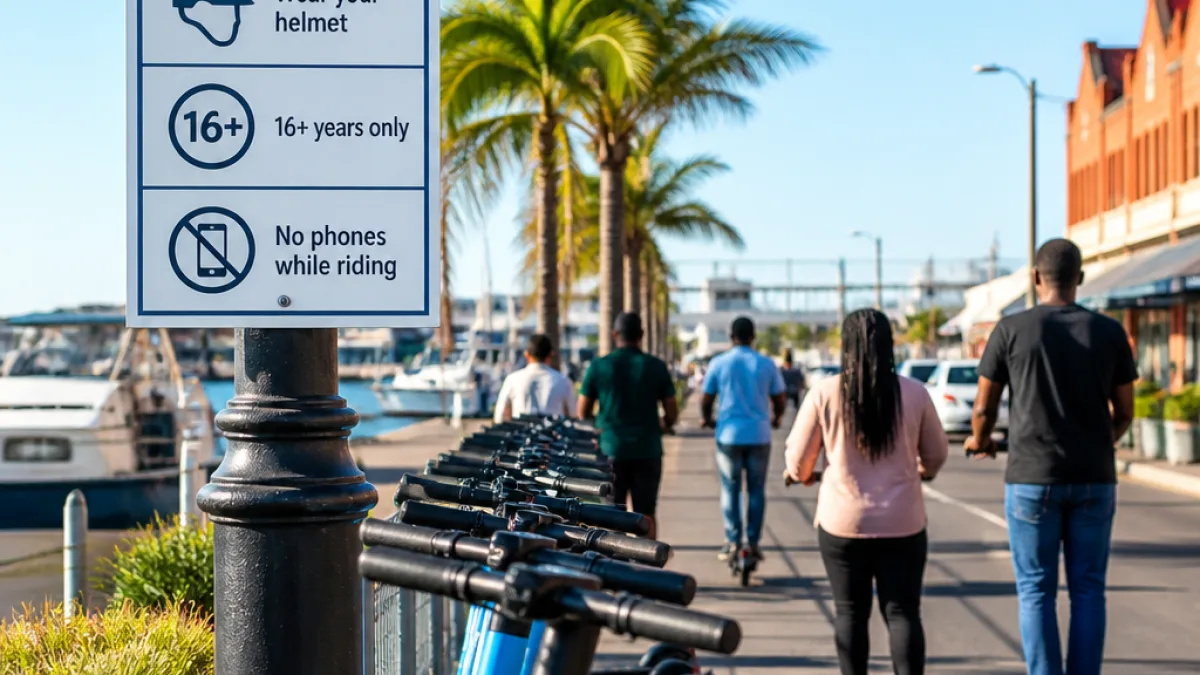
- Riders must be at least 16 years old.
- An approved helmet must be worn.
- Users must obey all posted signs and traffic signals.
- Riding while impaired is prohibited.
- Use of cellphones or other electronic devices while riding is not allowed.
The province will use the data gathered during the pilot to decide whether to make e‑scooter use permanent across British Columbia.
Early safety findings — helmets and underage riders stand out
Findings from the pilot’s first-year report highlight safety concerns. Emergency department visits tied to e‑scooter use were frequently associated with riders not wearing helmets. In one hospital cited in the report, 85% of e‑scooter injuries were linked to lack of a helmet, and 18% involved people under the age of 16.
“Emergency department visits related to e‑scooters often were the result of the rider not wearing a helmet,” the report noted.
Law enforcement has also been active in addressing unsafe and underage riding. In 2026 the RCMP issued multiple warnings after dangerous riding incidents, including a July incident in Nanaimo in which two underage riders were ticketed and one was taken to hospital following a crash. In another case in North Vancouver, a parent received a ticket (reported as $109) after an underage child was found riding an e‑scooter.
What this means for communities watching the pilot
For towns and cities observing the B.C. pilot, several themes are emerging:
- Helmet use is strongly associated with fewer and less severe injuries.
- Age restrictions are a persistent enforcement challenge; underage riding appears repeatedly in incident reports.
- Local rules and enforcement — including signage, speed limits and penalties — matter in shaping rider behaviour and safety outcomes.
Municipalities that opt in to the pilot are effectively running local experiments under a provincial framework. The province will synthesise outcomes and enforcement data across participating municipalities to inform any future permanent regulatory decisions.
Local relevance
Although this report refers specifically to the Ladysmith on Vancouver Island in British Columbia, the issues it raises are of wider interest. Cities everywhere are weighing the benefits of micro‑mobility — reduced congestion and first‑/last‑kilometre connections — against safety, infrastructure and enforcement challenges. Notable takeaways for any municipality considering e‑scooters include the need for clear age and helmet rules, robust public education, and consistent enforcement to reduce emergency visits and injuries.
| Pilot detail | Fact from report |
|---|---|
| Participating municipalities on Vancouver Island | 15 (including Ladysmith) |
| Pilot duration | Four years; the province is two years in |
| Key safety issues identified | Helmet non‑use; underage riders; impaired riding; device use while riding |
As provinces and cities continue to test micro‑mobility options, the evolving evidence from pilots such as British Columbia’s will be important for policy makers, road users and communities making decisions about safety and access.