Organisation wants consistent support to keep girls in class
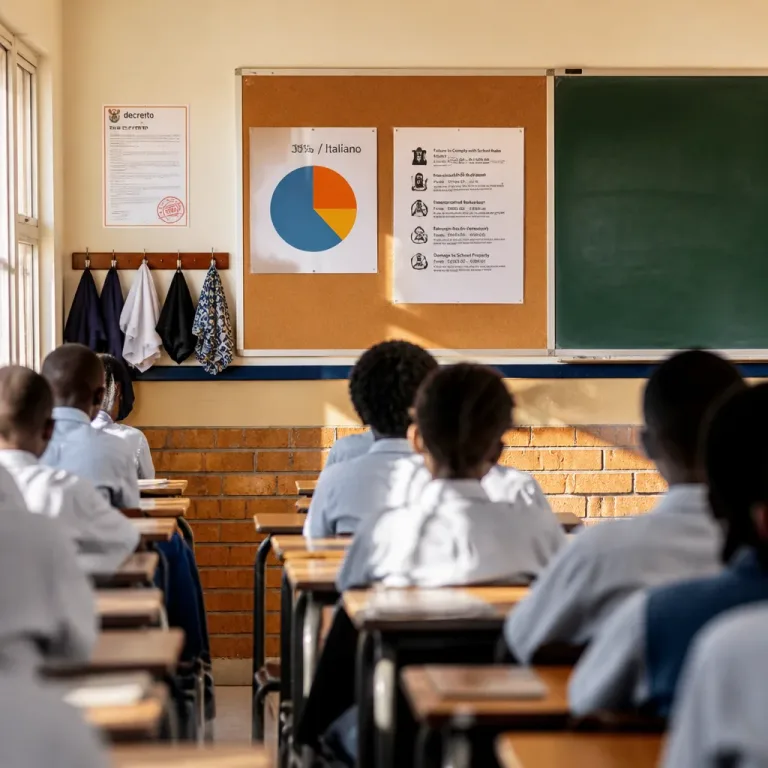
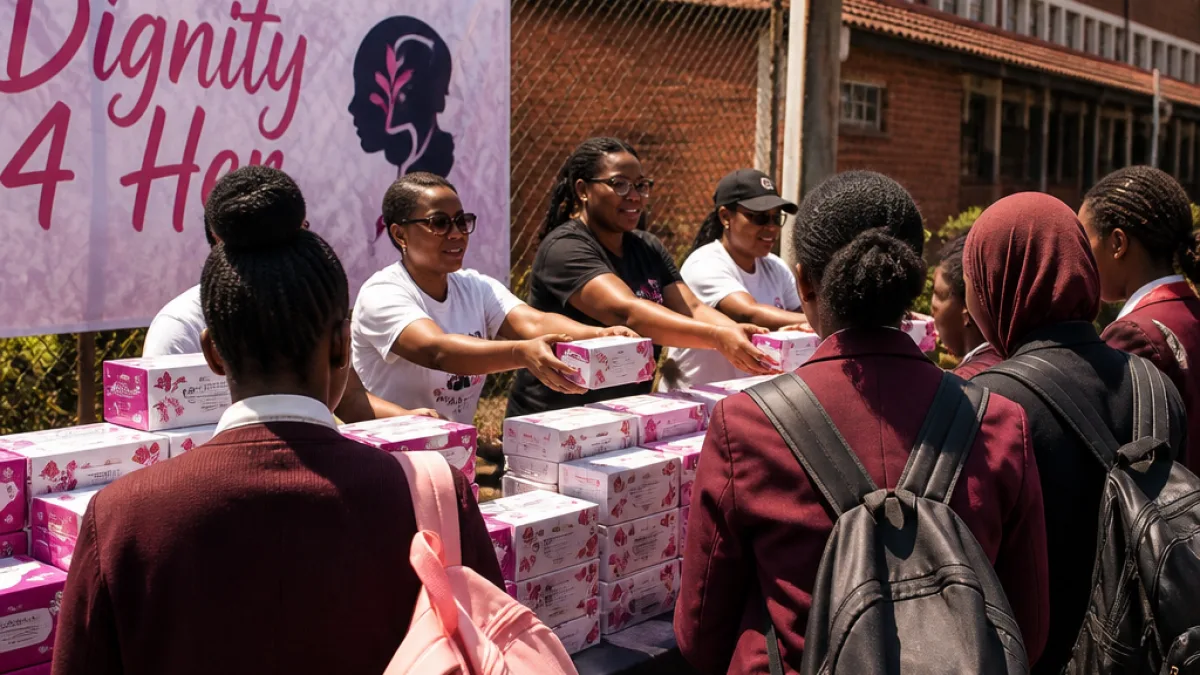
Humanity South Africa’s flagship Dignity 4 Her campaign distributed sanitary products to learners at Durban Girls’ Secondary School on Tuesday, stressing that single distributions are not enough to end the cycle of period poverty that disrupts many young women’s schooling.
Period poverty remains a persistent barrier to education across the country, the organisation said, leaving some learners to miss classes or use unsafe alternatives when families cannot afford monthly menstrual products. The group called for longer-term partnerships with local businesses, corporate social investment (CSI) programmes, foundations and community stakeholders to ensure ongoing access.
“Access to sanitary pads is not simply about providing a hygiene product. It is about protecting a young girl’s dignity, supporting her education, and ensuring that her circumstances do not prevent her from participating confidently in school,” said Humanity South Africa founder Muhammad Masoom Bagdadi.
Bagdadi added: “No girl should ever have to miss school, experience embarrassment, or resort to unsuitable alternatives simply because her family cannot afford basic necessities.”
The charity said that since its launch the campaign has distributed approximately 800,000 sanitary packs to vulnerable and underserved communities across South Africa. The Durban distribution formed part of that broader effort and organisers described the visit as a step towards reducing avoidable absenteeism and improving learners’ school experience.
What organisers say and what’s needed locally
Representatives emphasised that because menstruation is a monthly reality, interventions must be recurring rather than one-off events. They urged corporates and local CSI programmes to adopt schools or commit to sustained supply chains for products, alongside education about menstrual health and access to safe disposal facilities.
- Recipient: Durban Girls’ Secondary School
- Programme: Dignity 4 Her by Humanity South Africa
- National reach so far: ~800,000 sanitary packs
- Call to action: Long-term partnerships from businesses, CSI, foundations and community members
Local consequences and next steps
For Durban schools, consistent access to menstrual supplies can reduce missed classes, lower dropout risk and lessen the stigma that some girls face. School principals and ward councillors have previously raised concerns about infrastructural gaps — such as privacy and disposal facilities — which can undermine the effectiveness of pad distributions. Humanity South Africa’s call for broader partnerships acknowledges these linked needs.
Organisers at the Durban visit said they hoped the distribution would prompt local entities to explore multi-year commitments, school-level adoption models and integrated support that includes menstrual education. They noted that collaboration with schools is also intended to ensure the supplies reach learners discreetly and sustainably.
| Item | Detail |
|---|---|
| Campaign | Dignity 4 Her |
| Implementer | Humanity South Africa |
| Target | Vulnerable and underserved schoolgirls |
| Reached to date | ~800,000 sanitary packs nationally |
Durban community groups and business chambers have an opportunity to respond. Sustained funding and logistics support would allow schools to receive monthly or termly supplies, backed by education sessions and better sanitation infrastructure — elements the campaign says are critical to keeping girls in class and safeguarding dignity.
Local citizens interested in supporting or partnering with the campaign are encouraged to contact Humanity South Africa directly to discuss sustainable models for supply and education at school level.