WorldSkills competitions are being used as platforms for international exchange, where young professionals, educators and industry representatives compare approaches to vocational training and take new practices back to their home countries, according to reporting by Bi Ran for CGTN in Shanghai.
From the competition floor to classroom partnerships
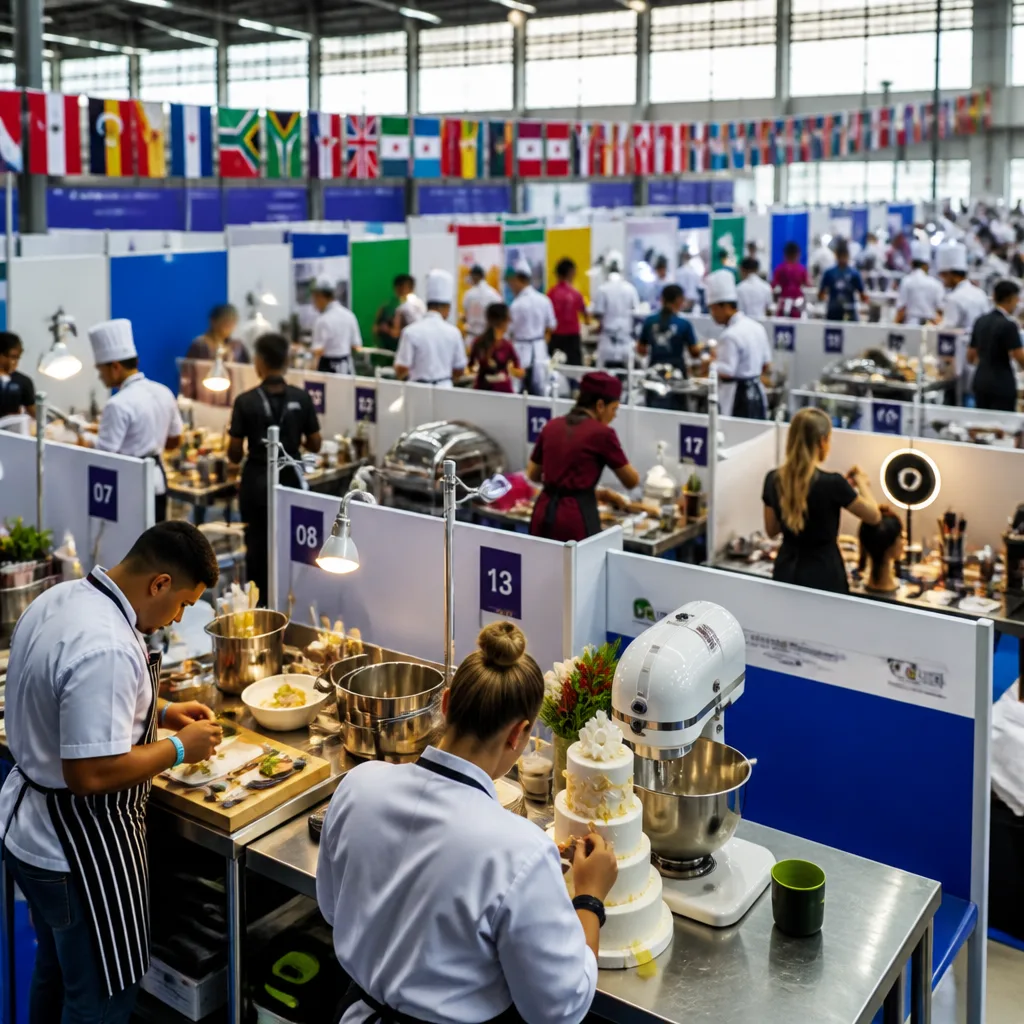
At the event, participants from countries including China and France are not only competing in trades such as cooking, baking, hairdressing and beauty therapy, but are also observing how different systems prepare people for the same occupations. The reporting highlights a longstanding relationship between Shanghai Caoyang Vocational School and French culinary institutions as an example of practical international partnership in vocational education.
Those exchanges are intended to do more than showcase winners. They create opportunities for:
- practical skills transfer between instructors and learners;
- comparison of standards and teaching methods;
- industry engagement to align training with workplace expectations.
"Competitions like WorldSkills are about far more than medals. They bring together young professionals, educators and industry representatives, giving them an opportunity to exchange expertise, compare standards and take new ideas and practices back to their home countries," Bi Ran, CGTN, Shanghai reported.
Vocational skills: broader and more technical
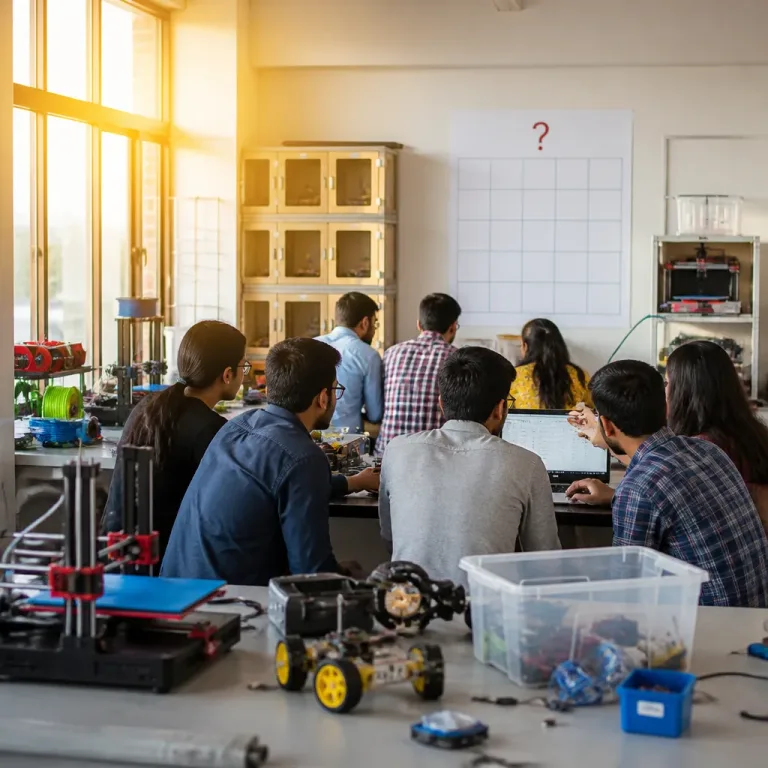
The coverage emphasises that modern vocational education extends well beyond manual tasks. Today’s vocational roles increasingly require:
- creativity in problem solving and design;
- technological expertise and familiarity with new equipment or software;
- effective communication and customer-facing skills;
- knowledge of international standards and workplace expectations.
For education managers and TVET colleges, these observations underline the need to broaden curricula and invest in up-to-date workshops, digital tools and teacher development so that learners are prepared for contemporary workplaces, not only assessed technical exercises.
Pathways beyond medals
The story also notes that for some WorldSkills medal winners, success is a springboard rather than an end point. Several champions have gone on to join a related trust, where they support and mentor the next generation of skilled professionals. This points to an often overlooked element of vocational systems: the value of alumni networks and mentorship in sustaining occupational pathways.
To provide a quick overview of the trades highlighted at the competition:
| Trade area | Skills emphasised |
|---|---|
| Cooking & baking | technical technique, creativity, timing |
| Hairdressing & beauty therapy | practical technique, customer service, aesthetic judgement |
The table summarises how practical competence and softer skills combine in these fields — a combination South African TVET providers increasingly need to mirror.
Implications for South African vocational training
Although the reporting is centred on Shanghai and international competitors, the lessons are relevant for a domestic audience. Strengthening vocational education requires deliberate collaboration between institutions, instructors and industry partners so that training is aligned with workplace realities. Sustained international partnerships, like the one between Shanghai Caoyang Vocational School and French culinary institutions reported by CGTN, can provide useful models for curriculum design, instructor exchange and employer engagement.
For learners and parents, the shift described in the coverage underlines that vocational qualifications can lead to careers that demand a mix of technical know-how and broader capabilities such as digital literacy, communication and adherence to international standards. For policymakers and college managers, the message is to support systematic training pathways — from initial instruction to mentorship and professional networks — so that medals and certificates translate into sustainable careers.
Reportage by Bi Ran for CGTN in Shanghai framed these observations around the WorldSkills competition and the exchanges that happen beyond the medal ceremonies. Those exchanges, the report suggests, are where the future of vocational education is being practised and refined.