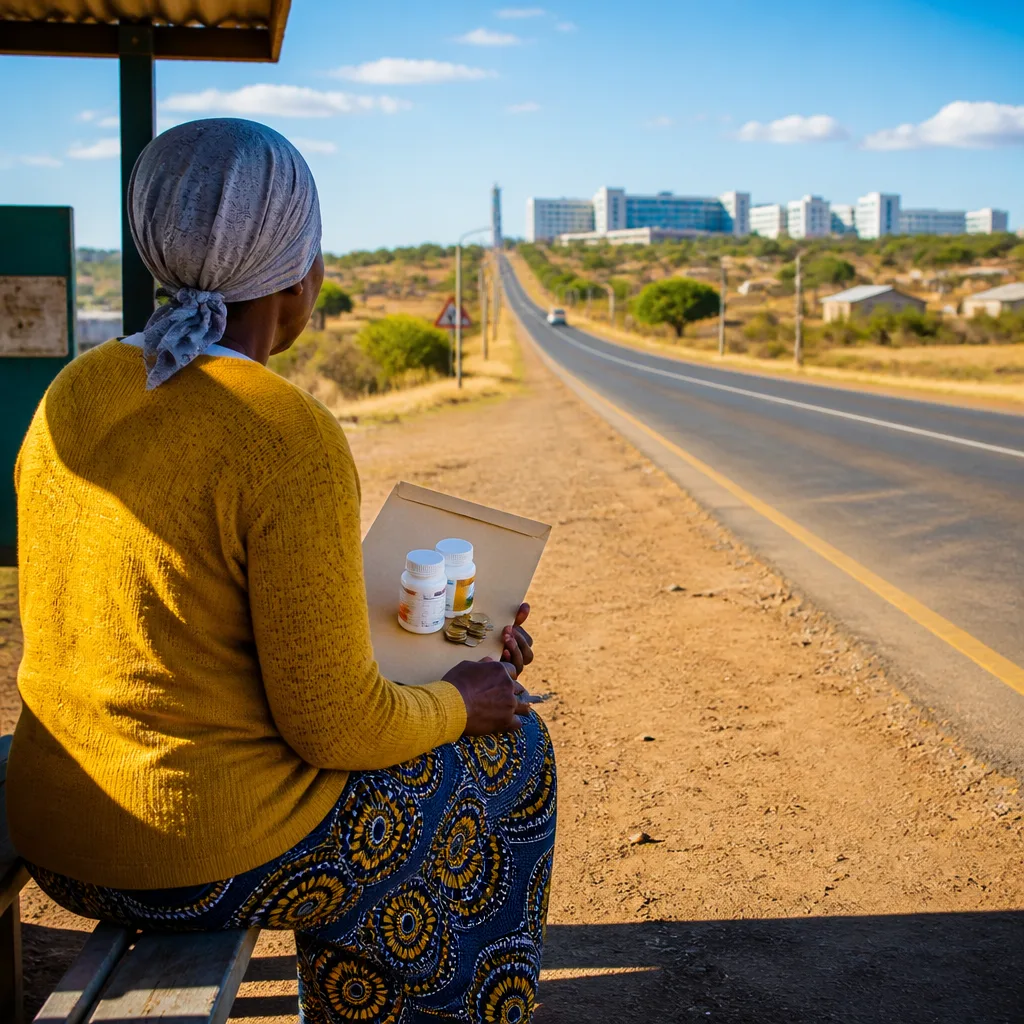
Many adults with chronic health conditions say they would consider joining clinical trials, but practical barriers such as distance to specialist centres, frequent visits, insurance gaps and hidden costs are keeping potential participants away.
High interest, low access
An online survey of more than 2,000 adults found that 71% of people with chronic conditions would be willing to join a clinical trial if given the opportunity, yet roughly two thirds had never discussed trial participation with a healthcare provider. Other research examined by the reporting shows that only 9% of adults had ever received an invitation to participate in a trial.
Clinical trials are central to developing medicines, vaccines, devices and diagnostic methods. They also often provide close monitoring and access to standard care while assessing safety and effectiveness before regulators such as the US Food and Drug Administration approve new interventions.
Where the process breaks down
Recruitment and retention remain major problems. As many as 86% of clinical trials fail to enrol the planned number of participants within the intended timeframe, which delays research and can increase costs.
- Distance and travel: Many trials are based at urban academic hospitals, putting them out of reach for people who live far away or lack reliable transport.
- Hidden costs: Even when treatment is provided by a study, participants can face expenses for travel, time off work and caregiving that are not always covered.
- Eligibility rules: Strict inclusion criteria exclude many people who might otherwise benefit or contribute to research.
- Awareness and invitation: Low rates of invitation and limited discussions with clinicians mean interested patients may never learn about available trials.
“Every point of contact can become an issue of access and affordability.”
The observation above, cited in the reporting, underlines how every step — from the initial invitation to follow‑up appointments — can create barriers. For many prospective participants the promise of contributing to science and gaining access to new treatments cannot overcome the practical realities of time, transport and expense.
Different types of trials, different expectations
Not all trials involve receiving an experimental drug or a placebo. Studies may focus on device testing, prevention strategies, screening methods, diagnostics, monitoring disease progression or comparing standard therapies. For some people with serious diagnoses, a trial may offer an additional treatment option that could extend life or improve quality of life; for others, participation offers closer clinical monitoring even if they receive standard care rather than an experimental therapy.
Understanding the range of trial formats can help people ask better questions when opportunities arise. Practical matters to check include whether travel costs are reimbursed, how many visits are required, what eligibility criteria apply, and whether participation could affect existing insurance coverage.
What this means for South Africans
Although the figures referenced come from international reporting, the barriers described are familiar in South Africa too: specialist centres and academic hospitals are concentrated in metro areas; transport and time off work are common constraints; and many patients rely on public healthcare pathways where trial information may not be routinely discussed. Improving access to clinical research requires targeted outreach, clearer communication from clinicians and better support for the non‑medical costs of participation.
For patients interested in trials, practical first steps include discussing research options with your clinician, asking whether travel or other expenses are covered, and checking national and institutional trial registries for studies recruiting locally. Greater awareness among both clinicians and patients is a simple start that could help turn willingness into participation.
| Metric | Reported figure |
|---|---|
| Survey size | More than 2,000 adults |
| Would join a trial | 71% |
| Never discussed with provider | About two thirds |
| Ever invited to a trial | 9% |
| Trials failing to enrol on time | Up to 86% |
Greater inclusion in research benefits public health: more representative trials lead to treatments that work for a wider range of people. Tackling the practical and financial hurdles — and encouraging clinicians to raise research options — can help more South Africans take part in the studies that shape tomorrow’s care.