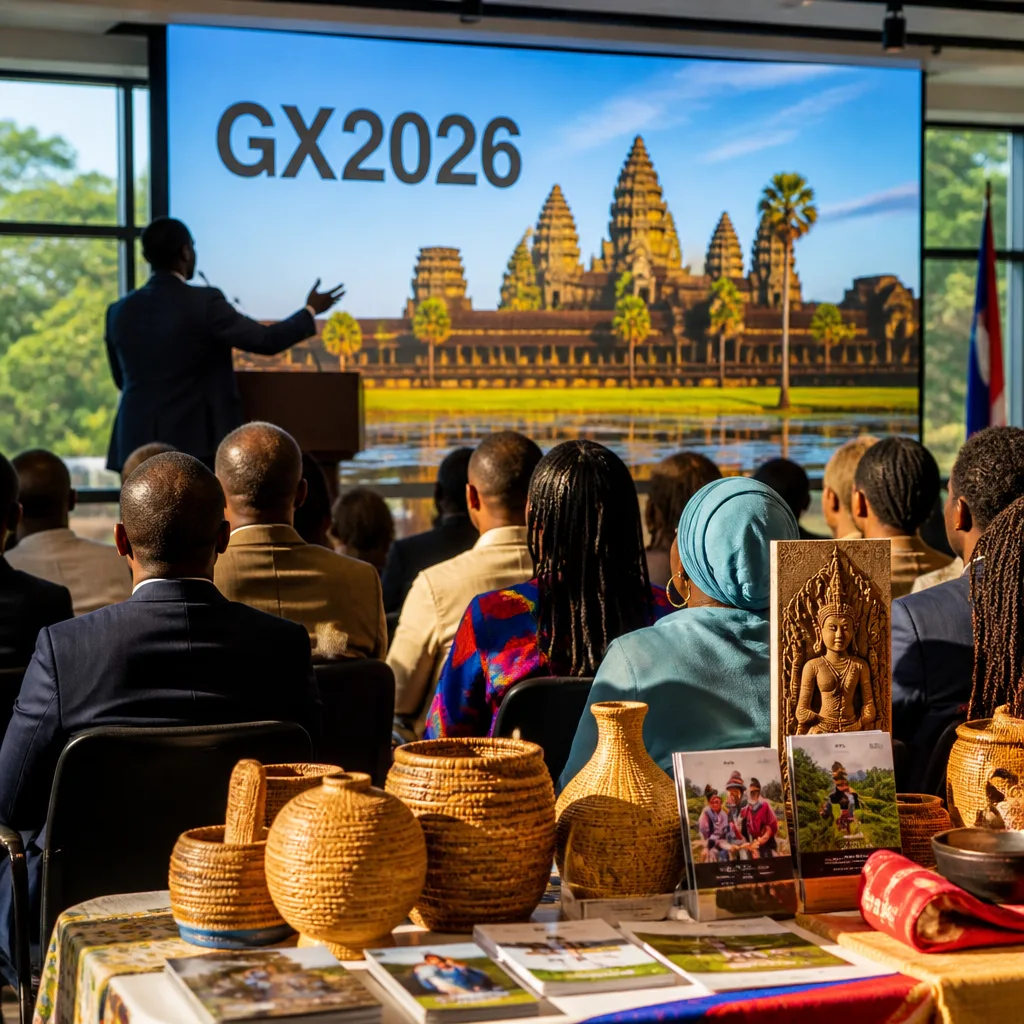
Transformative travel is emerging as a leading trend as the tourism sector heads into 2027, with industry figures urging holidaymakers to seek experiences that change both the visitor and the host community. The concept was a central theme at the GX2026 global travel summit held on World Tourism Day in Siem Reap, Cambodia.
What is transformative travel?
The movement blends elements of intentional travel, slow travel and deep cultural immersion. Rather than prioritising creature comforts, transformative trips encourage personal reflection and encounters that benefit local communities. The approach asks travellers to think beyond sightseeing and to consider how their visit may support livelihoods and cultural preservation.
At GX2026, Bruce Poon Tip, founder of small-group tour operator G Adventures, criticised an opposite trend: travel that keeps people wrapped in familiar comforts no matter where they go. Poon Tip said such travel risks reducing culture to mere entertainment and emphasised the importance of shared responsibility when visiting communities.
"I just think it’s a very dangerous place for tourism,"
G Adventures has promoted transformative travel for years, pairing itineraries with community enterprises developed by Planeterra, the non-profit Poon Tip established. The partnership channels customers to locally run projects, offering a steady stream of visitors to fledgling businesses in destinations such as Siem Reap, the gateway to Angkor Wat.
Why this matters to South African travellers
South Africans planning overseas or domestic trips may find the principles of transformative travel familiar: slow travel and cultural immersion already form part of many itineraries to heritage sites, township tours and rural community stays. The global push underlines an opportunity for South African operators and travellers to deepen ethical engagement with host communities while supporting sustainable livelihoods.
Practical implications include choosing operators who:
- partner with local enterprises or nonprofits;
- limit negative cultural impacts by promoting respectful interaction;
- design itineraries that channel revenue directly to communities rather than only to external companies.
At the summit, the G Adventures–Planeterra model was presented as an example of how tour operators can help incubate and sustain community-run businesses by integrating them into travel routes.
Consequences for the tourism sector
Promoting transformative travel could shift market demand away from standardised comfort-focused packages. Travel businesses that adapt may see opportunities to attract travellers seeking meaningful experiences, while those that continue to prioritise uniform amenities risk criticism and potential loss of market share among ethically minded tourists.
There are also community-level outcomes to consider. When tourism becomes a reliable source of clients for local enterprises, it can contribute to job creation and cultural preservation. However, the model requires careful design to avoid dependency or commodification of culture — a point underlined by voices at GX2026 who warned against treating culture as entertainment.
| Aspect | Transformative travel | Comfort-driven travel |
|---|---|---|
| Focus | Personal growth and community benefit | Amenities and familiar experiences |
| Community impact | Direct support via local enterprises | Often limited; culture as spectacle |
| Typical traveller | Seeks immersion and change | Seeks comfort and convenience |
For South African travellers who care about ethical travel, the takeaway is clear: choosing operators and itineraries that prioritise local benefit and respectful interaction can help make tourism a tool for positive change, not merely personal comfort. As the travel industry charts a course toward 2027, transformative travel is asking both visitors and providers to rethink what makes a trip truly worthwhile.