An anti‑terrorism court in Faisalabad has handed down a 10‑year prison sentence to a man found guilty over the destruction of churches during the August 2023 riots in Jaranwala, Pakistan, while acquitting 13 co‑accused after finding serious deficiencies in the police investigation.
Verdict follows videotaped evidence and a flawed probe
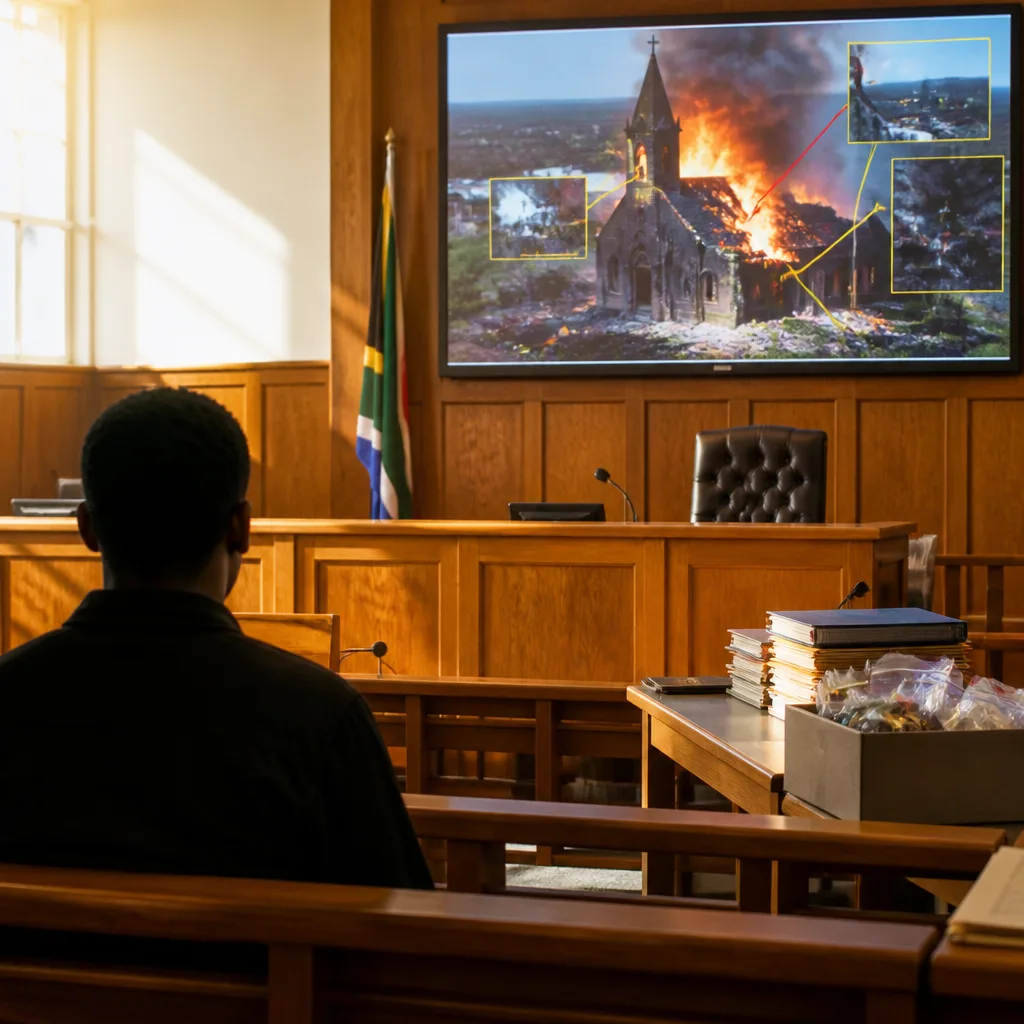
Judge Waseem Mubarak of the Faisalabad Anti‑Terrorism Court delivered the judgment on 12 July 2026, finding Irfan Yousaf guilty in two separate cases for arson and desecration linked to the demolition of the Salvation Army Church and the Peace Mission International Church in Jaranwala. The conviction rested in part on forensically verified video footage that reportedly showed Yousaf operating a crane to tear down church buildings during the unrest.
However, the same ruling cleared 13 co‑defendants, a decision the judge attributed to shortcomings in the way law enforcement handled the cases. In his written judgment the judge criticised the investigative process, concluding the prosecutions had been compromised by institutional failures.
"Defective police investigation"
The court highlighted several failings in police work that undermined the evidence and the identification of suspects. According to the judgment, investigators delayed formally registering the case, did not act decisively as violence unfolded and carried out poor evidence collection and flawed identification procedures.
Scale of the 2023 violence
The conviction and acquittals relate to a wave of communal violence that erupted on 16 August 2023 in the city of Jaranwala in Punjab province. The unrest followed allegations that two local Christian men had desecrated the Quran and insulted the Prophet Muhammad — accusations a trial court later described as fabricated and motivated by a personal dispute.
Reported consequences of the riots included the burning of a large number of church buildings and the repeated looting and damage of Christian homes. The court record cited the following figures:
- 26 church buildings burned
- 86 homes looted and damaged
| Outcome | Number |
|---|---|
| Convicted | 1 (Irfan Yousaf, 10 years) |
| Acquitted | 13 |
Implications for justice and accountability
The lone conviction, while notable for securing a prison sentence in a communal‑violence case, has been overshadowed by the acquittals and the court's rebuke of police performance. The judge's findings point to systemic problems that can obstruct accountability after mass public disorder — delays in case registration, insufficient on‑scene intervention and weak forensic and identification work.
Those institutional shortcomings raise broader questions about the ability of Pakistan's law enforcement and prosecutorial system to fairly and effectively investigate sectarian or mob violence, particularly when allegations ignite communal tensions. The involvement of large crowds reportedly led by supporters of the extremist political party Tehreek‑e‑Labbaik Pakistan (TLP) during the Jaranwala attacks is part of the record cited in the court papers.
For victims and their communities, the ruling is likely to feel both like a partial measure of justice and a reminder of the obstacles survivors face when seeking redress in cases of mass violence. The court’s explicit criticism of police work underlines the need for reforms in investigation standards and evidence‑collection practices if more comprehensive accountability is to be achieved in similar incidents.
The July ruling is the first conviction related to the Jaranwala riots to reach this stage. It sets a precedent but also underscores the fragility of prosecutions where investigative processes are weak.