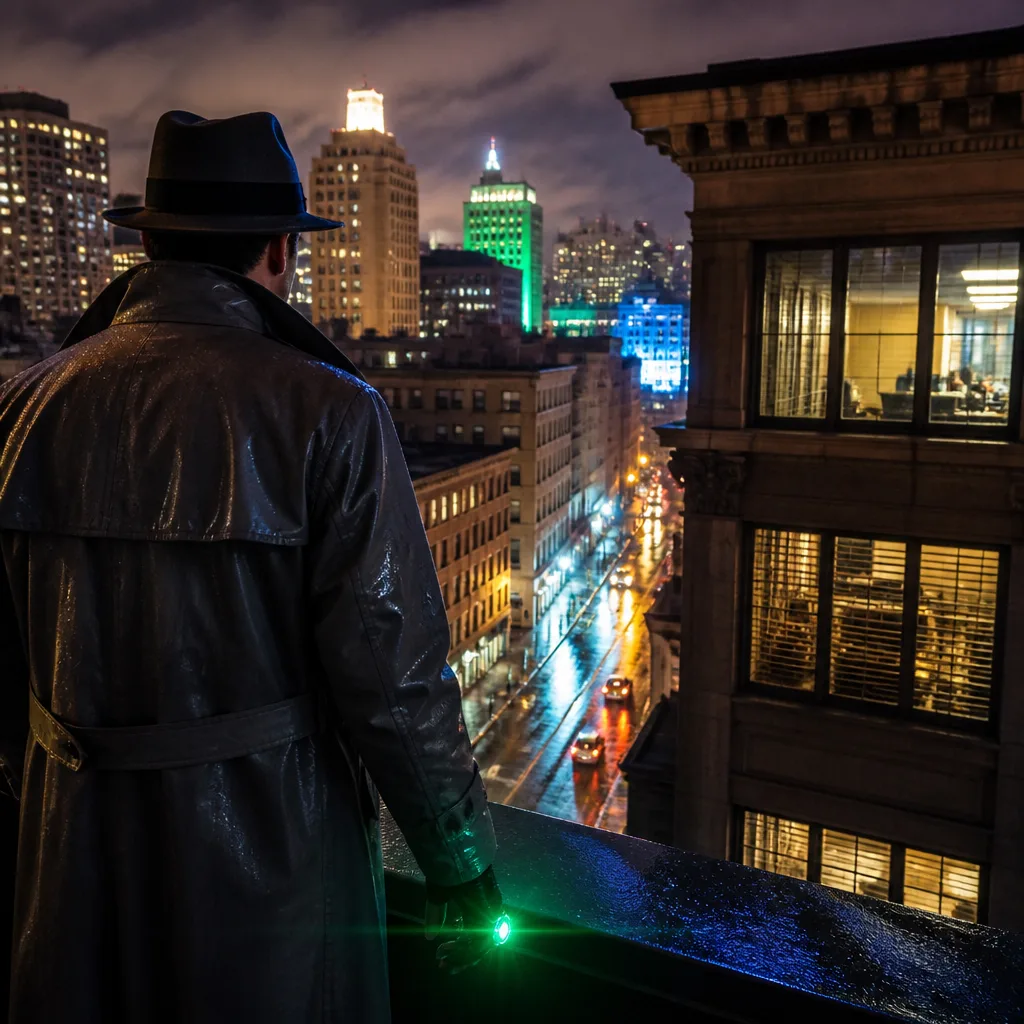
HBO launches a different kind of superhero drama this week with Lanterns, a series that trades blockbuster spectacle for slow-burn character work and a detective-story backbone. The show places Kyle Chandler at the centre as Hal Jordan, recasting the Green Lantern mythos as an almost procedural investigation into duty, identity and the human cost of power.
A deliberate shift from movie-sized fireworks to TV nuance
The series arrives after a notably fraught cinematic history for the character — most famously a 2011 film starring Ryan Reynolds that failed to stick. This time, the story’s custodians deliberately chose television as their canvas, giving them room to explore personality, moral grey areas and the uneasy partnerships that drive the plot.
Behind the scenes the creative team is star-studded. Damon Lindelof (Lost, Watchmen), comic-writer Tom King and Chris Mundy (who has credits on Criminal Minds, Ozark and Bloodline) shaped the series, while James Hawes directed the first two episodes. That pedigree signals the show’s ambitions: to blend genre fantasy with mainstream TV drama techniques.
“I’m a regular person, like you,”
The series opens with a 1996 television interview in which Hal Jordan introduces himself in uncomplicated terms — a small but telling choice that grounds the character. In Lanterns, Jordan is not an omnipotent demigod but a human officer within the Green Lantern Corps, a galactic peacekeeping body whose authority stems from technology: a special ring and a lantern-shaped device that charges it.
How the powers are framed — and why it matters
The ring grants flight and the capacity to create constructs, most commonly employed as defensive shields: think a protective green bubble rather than continuous, world-shattering combat. That focus on the gear as source of power reinforces the show’s central conceit — that the hero’s might is as much mechanical as it is moral.
Television allows the writers to examine what it means for an ordinary person to hold such tools and to shoulder the consequences. Reviewers note echoes of other prestige TV: the uneasy buddy-policing dynamics of True Detective, the disreputable, fallible hero in Slow Horses and the Midwestern, darkly comic tone sometimes associated with Fargo. Those comparisons help explain the series’ pulse: it wants to sit with its characters, linger on uncomfortable alliances and build tension through personality as much as through action sequences.
For viewers who associate Green Lantern primarily with big-screen spectacle, the television format may feel like a recalibration. But for those who appreciate long-form storytelling, it’s an opportunity to dig into the contradictions that sit beneath the emerald-clad iconography.
- Lead actor: Kyle Chandler as Hal Jordan
- Creators/writers: Damon Lindelof, Tom King, Chris Mundy
- Director (episodes 1–2): James Hawes
- Premiere: Sunday on HBO
The choice to prioritise character over spectacle also mirrors a broader industry trend: many creators now turn to television when a concept needs space to breathe. That can benefit properties deemed too quirky or conceptually risky for a single, big-budget theatrical release. In Lanterns, the Green Lantern mythology gets an interrogation rather than a parade; the mythology is a vehicle to illuminate human frailty and institutional pressures.
Whether audiences who came for superhero showdowns will stay for the quieter, investigative beats remains to be seen. But the series arrives with a confident creative team and a clear editorial voice: it intends to be more of a moral and procedural study than a catalogue of set-piece battles. For now, expect a Green Lantern story that looks inward, asking what it means to be powerful when power depends on a piece of equipment — and when the person behind it is, at heart, not that different from the rest of us.