Jury selection began on 10 August 2026 in a Las Vegas courtroom for the trial of Duane “Keffe D” Davis, who is accused in the fatal 1996 shooting of rapper Tupac Shakur on the Las Vegas Strip. The case, nearly three decades in the making, is drawing intense national scrutiny and is being watched closely by legal commentators for the procedural and evidentiary questions it raises.
What’s happening in court
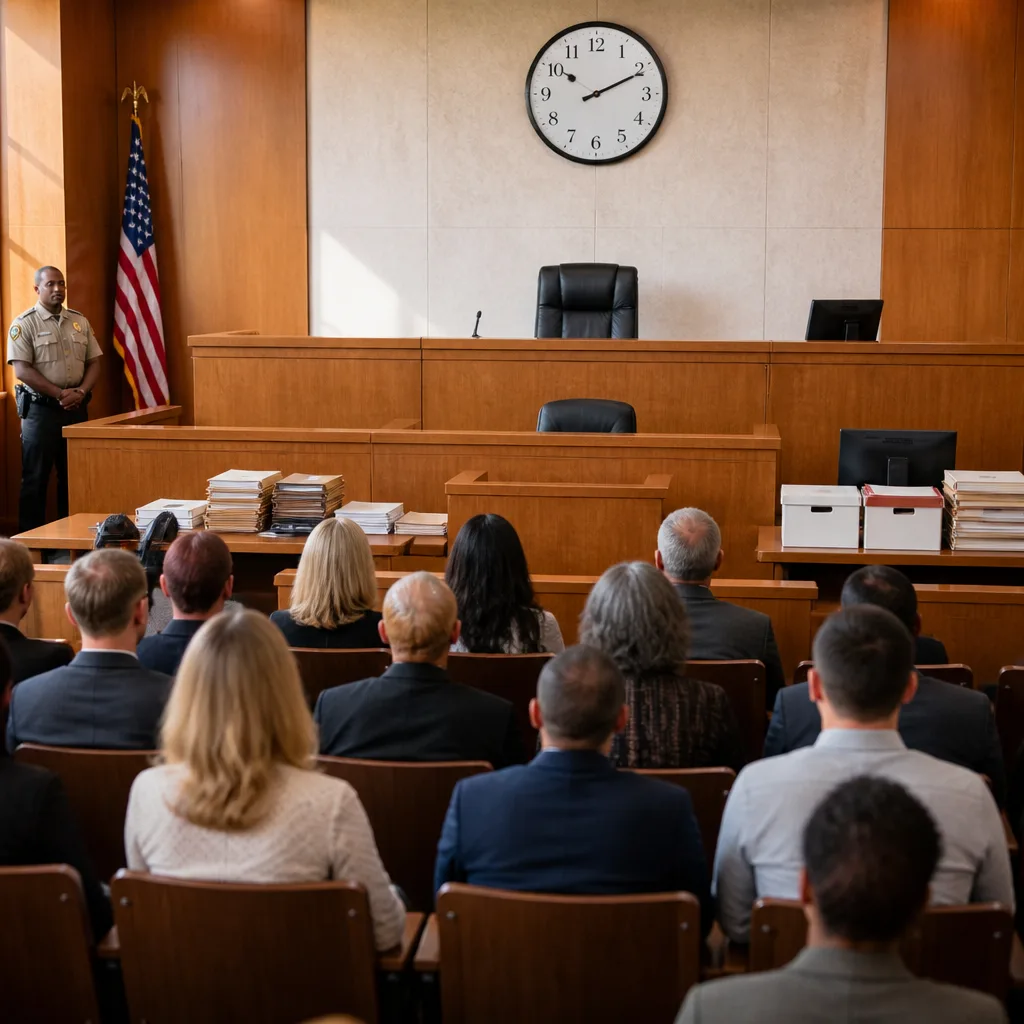
Court proceedings opened with the initial process of voir dire — the selection of jurors — a phase that will determine who will ultimately evaluate the prosecution’s case. Jury selection is expected to be thorough, given the high-profile nature of the matter and widespread public familiarity with both the victim and the accused.
Entertainment and trial lawyer Tre Lovell, who is licensed in Nevada, outlined several legal battlegrounds likely to influence the pace and scope of the trial. According to reporting, those include:
- How potential jurors will be screened for bias arising from extensive media coverage and public sentiment about the case;
- Evidentiary disputes over the admissibility of witness testimony and prior statements; and
- Possible challenges related to the credibility of key witnesses and statements Davis has previously made.
Why juror selection matters
Voir dire in a matter of this profile serves two functions: identifying impartial jurors and allowing both prosecution and defence to assess how jurors react to sensitive testimony. Lawyers will likely probe for knowledge of the case, exposure to media narratives, and attitudes toward police, witnesses and celebrities — factors that can affect juror impartiality.
Lovell (identified in reporting as an entertainment and trial attorney) said the emphasis will be on rooting out preconceived opinions that could interfere with a defendant’s right to a fair trial. The selection process may consume several days, or longer if both sides exercise numerous challenges for cause or use multiple peremptory strikes.
Next stages and legal issues to watch
Once an impartial jury is empanelled, the trial will move into opening statements, witness testimony and cross-examination. Observers say the contest over what evidence the jury will be permitted to hear could be decisive — particularly if the defence argues that certain statements or hearsay should be excluded.
Key legal questions likely to arise include the admissibility of prior statements attributed to Davis, the reliability of witness recollections decades after the event, and how the court will handle any material that has been widely circulated in the media. Those rulings can considerably narrow or expand the scope of testimony jurors will consider.
"The case is drawing national attention as one of this year’s highest-profile celebrity criminal trials," the reporting said.
Timeline at a glance
| Event | Date |
|---|---|
| Tupac Shakur fatally shot | 1996 |
| Duane “Keffe D” Davis murder trial — jury selection begins | 10 August 2026 |
The trial represents one of the more prominent celebrity criminal proceedings of 2026. Media attention, coupled with decades of public speculation and the cultural significance of Tupac Shakur, will almost certainly make courtroom procedure a continual subject of interest.
For now, the immediate focus is on the composition of the jury and the legal skirmishes likely to determine what evidence jurors will hear. Those early procedural decisions can have a pronounced effect on the shape of testimony, the strategies of counsel and, ultimately, how the case is decided.
This matter will continue to evolve as voir dire proceeds and as pre-trial motions are resolved. Coverage will track both courtroom developments and their implications for the broader legal and cultural conversation surrounding the case.