
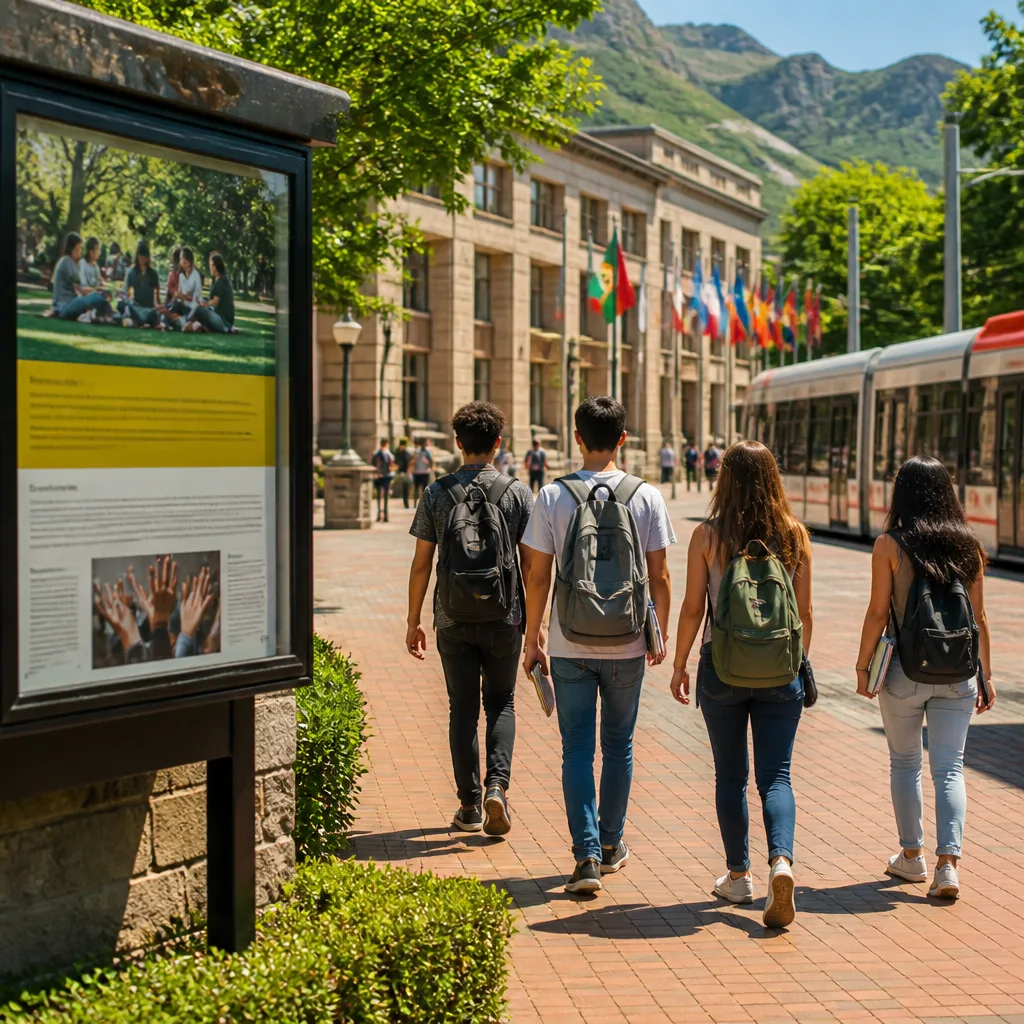
Every year, schools that run short-term international summer programmes report that participants return home with more than just improved language skills. According to organisers, carefully designed junior courses in Canada and Australia create conditions in which young people develop independence, resilience and early leadership habits.
From language practice to life skills
Programmes typically attract students aiming to upgrade their English or French, or to experience another country’s culture. But organisers say the real gains often arise from everyday challenges participants face while away from home — first nights in a residence, living with a host family, learning public transit or navigating an unfamiliar city.
Those small hurdles, it is argued, prompt young people to make decisions for themselves, collaborate with peers and solve practical problems — behaviours that are foundational to leadership even if the students are not formally put in charge of a group.
Structured exposure to professional and academic life
ILSC Language Schools’ junior leadership programme in Canada is cited as an example of a curriculum that pairs independent living with targeted learning opportunities. The programme includes visits to a local business, sessions at one of Canada’s major universities and talks from guest speakers. Participants work both alone and in teams, applying lessons from these visits to a final group project.
| Component | Intended outcome |
|---|---|
| Language classes (English/French) | Improved communication and classroom confidence |
| Residence or homestay | Greater independence and cultural immersion |
| Visits to businesses and universities | Familiarity with professional and academic environments |
| Final project | Applied problem-solving, creativity and teamwork |
Organisers emphasise that much of the transformation takes place informally. When students live, learn and explore alongside peers from different countries, they share daily routines — meals, outings and study sessions — which encourages mutual understanding and often reveals common ground despite cultural differences.
Leadership redefined for young learners
The programmes redefine leadership for this age group. Rather than focusing on authority or command, leadership is framed as the ability to make thoughtful decisions, support a team, and adapt when plans change. These skills surface naturally as students tackle real-world tasks during the course.
- Confidence: Managing day-to-day life in a new place builds self-reliance.
- Teamwork: Group projects and shared living situations cultivate collaboration.
- Problem-solving: Exposure to unfamiliar situations encourages resourcefulness.
ILSC’s curricular approach culminates in a collective project that organisers say showcases the students’ ability to synthesise what they have learned, combining creativity with practical application. Such capstone activities allow participants to demonstrate initiative and to practise presenting ideas — both skills valued by educators and employers.
Parents and guardians are also said to notice changes. The reporting cites a case in which a parent offered positive feedback after their child returned from a programme in Australia, indicating that the experience had real-world effects beyond improved language competency.
Implications for South African families and schools
For South African families weighing international summer options, the evidence presented suggests these programmes can be more than a short-term academic boost. They may function as intensive, practical laboratories for social and emotional learning: spaces where adolescents practise decision-making, adapt to diverse teams and gain exposure to different educational and professional cultures.
Organisers caution that the value of such programmes depends on thoughtful design — a balance of structured learning, real-world exposure and supportive living arrangements. When that balance is achieved, the results can include measurable gains in autonomy and the soft skills increasingly linked to future employability.
As more learners seek global experiences, educators and parents in South Africa will likely continue to weigh the benefits against cost and accessibility. The accounts of programme operators underscore that international short-term study can be a formative encounter, shaping how young people see themselves and their capacity to lead.









