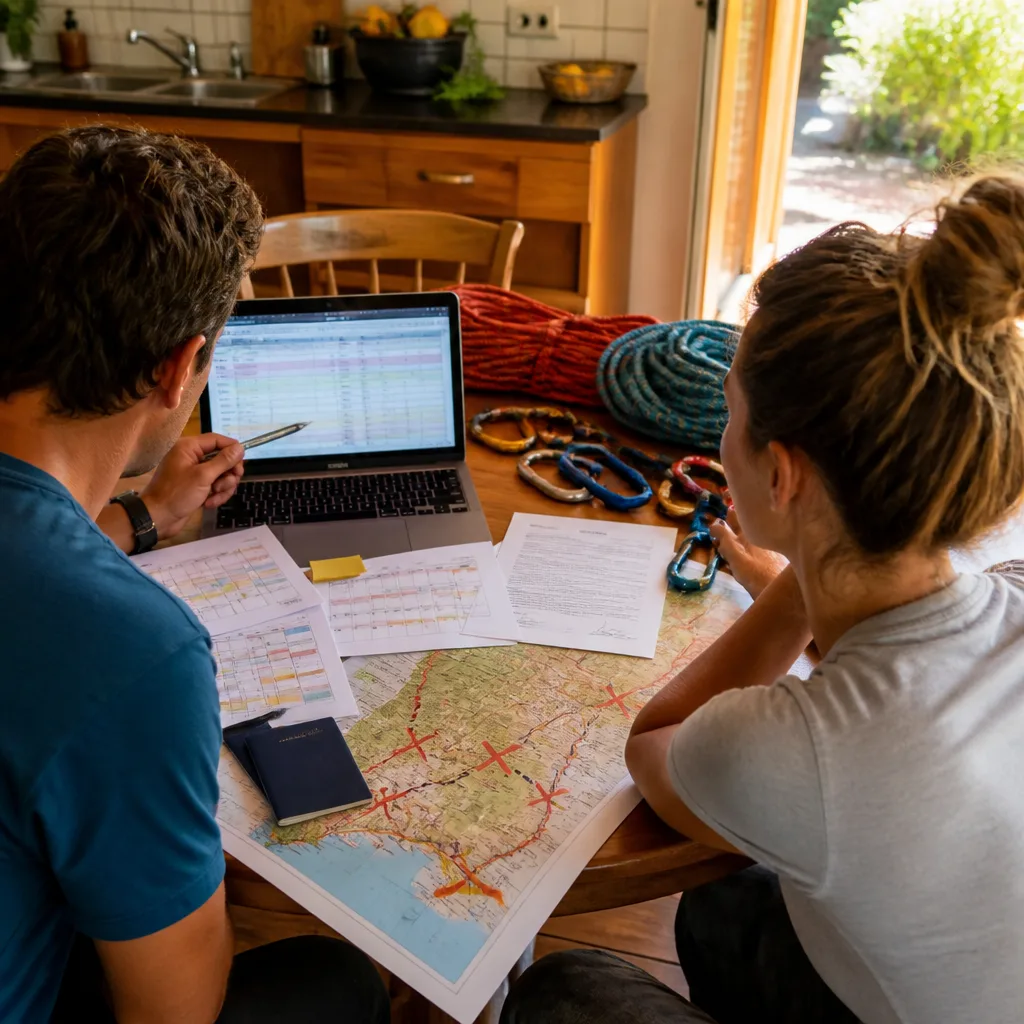
Two public school teachers turned a shared dream into a 12-month reality — climbing and travelling full time — after one of them arranged an unpaid leave of absence that guaranteed a return to their classroom. Their approach was methodical: they used budgets from past trips, adjusted for inflation, and put everything into a spreadsheet that they checked with accountant friends before committing.
From school calendar to a year on the road
They had long used the school calendar to maximise climbing and travel time each summer. The couple, together for 13 years, decided to see whether they could extend that rhythm into a full year. One partner, a middle school science teacher, asked the human resources department about options and discovered an unpaid leave of absence could secure their job while they were away.
That permission changed the calculation. Rather than relying on freelance income or sponsorships, the idea became whether two public school teachers could afford to climb and travel for a full year while returning to the same positions afterwards.
Practical budgeting, not extreme frugality
They did not set out to travel as cheaply as possible. Their aim was realistic comfort rather than ‘dirtbag’ minimalism. To estimate costs they compiled budgets from previous trips — some lasting two months at a time — and scaled those figures across 12 months. The spreadsheet included:
- Flights and transport
- Food and daily living expenses
- Accommodation
- Vehicle rentals where necessary
- Gear and climbing-related costs
They rounded numbers up to account for inflation and triple-checked calculations. The couple also asked a few accountant friends to review the spreadsheet to make sure they had not missed anything important.
Why this approach matters for South African travellers
Their method offers practical lessons for anyone considering an extended break: use your own travel history as a baseline, be conservative with inflation and unexpected costs, and get a second pair of professional eyes on the numbers. Crucially, the leave arrangement meant they did not need to find remote work to fund the trip or worry about burning bridges with employers.
For many South Africans thinking about sabbaticals or long-term travel from permanent posts — whether in education, public service or other sectors — the steps they took are replicable:
- Check employment policies: some employers offer unpaid leave with a guaranteed return, which reduces the risk of a long absence.
- Build budgets from prior trips rather than relying on estimates.
- Round up for inflation and unexpected costs.
- Seek professional review of financial plans.
What they wanted from the year
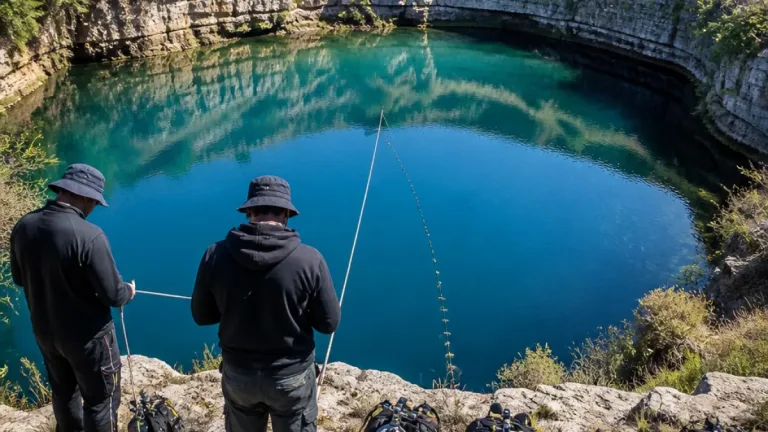
The couple weren’t chasing sponsorship or high-profile endorsements. Instead, they wanted sustained time on rock and routes that had been out of reach during term-time summers. A photo from the trip shows one partner identified as Stevens in El Salto, Mexico, illustrating the type of climbing destinations they prioritised.
The story is as much about preserving career security as it is about adventure. By securing unpaid leave and preparing a detailed budget, they managed both to step away for a year and to leave the door open to return to their teaching careers.
Takeaways for readers
If you’re considering a similar break, the couple’s example underlines that long-term travel doesn’t have to be the preserve of the very wealthy or those who can work remotely. With careful planning, conservative budgeting and clarity about employment rights, a year away is achievable for people in traditional, fixed-location careers.
| Step | Why it matters |
|---|---|
| Use past trip budgets | Gives realistic baseline costs |
| Round up for inflation | Protects against unexpected price rises |
| Get accounts checked | Reduces risk of calculation errors |
| Secure employment leave | Preserves career continuity |
For South Africans planning extended travel on modest salaries, this is a useful, budget-aware blueprint: be methodical, plan for surprises and hold onto the safety net of a guaranteed job on your return. It keeps adventure within reach while protecting your future income and career prospects.