
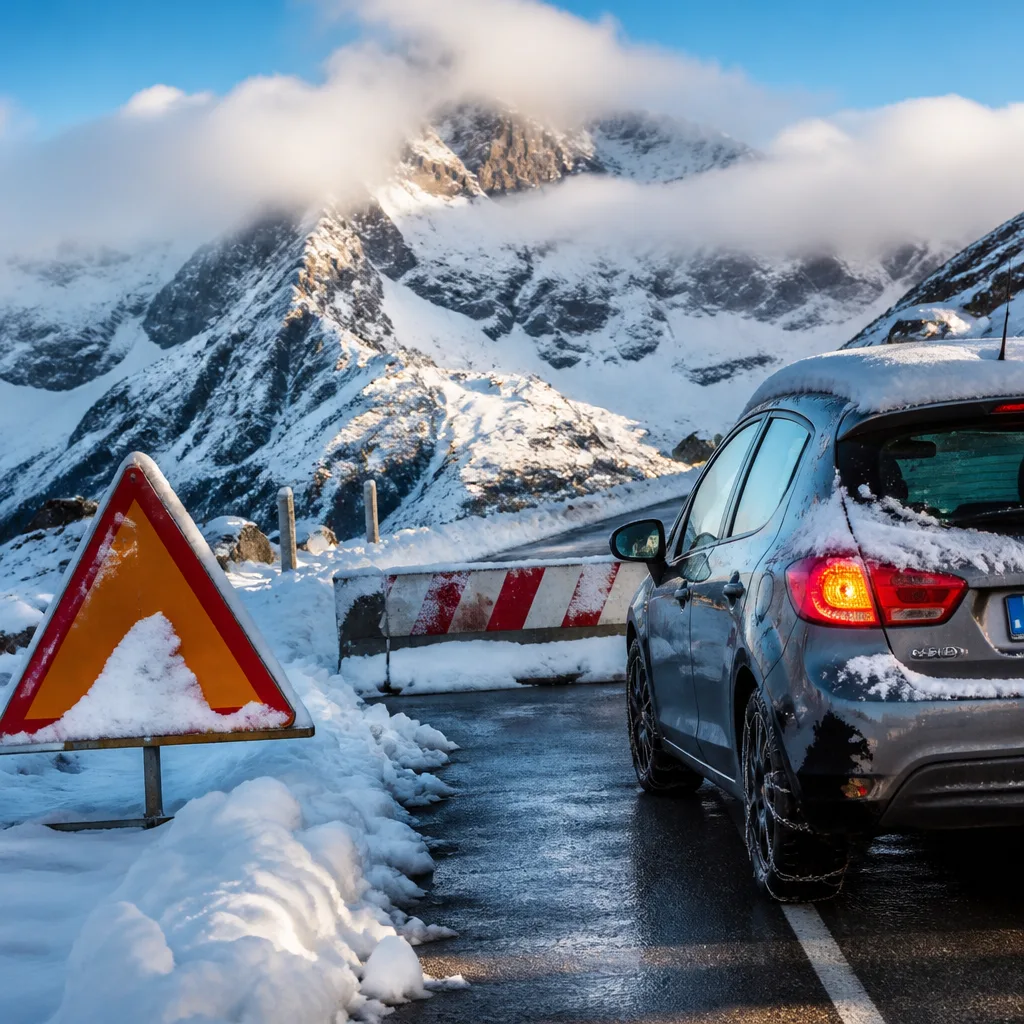
As the country closes out the Women’s Day long weekend, a powerful cold front has delivered heavy snowfall, freezing temperatures and travel disruption across high-lying parts of the Eastern Cape and sections of the Free State. The system has prompted road closures, hazardous driving conditions and an Orange Level 6 warning from the South African Weather Service for some areas.
Where conditions are worst
Snow has fallen at higher elevations around the southern Drakensberg, with the landscape around Lake Naverone described as completely white. Snow was also reported near Bloemfontein, in Elliot and along the R56 near Matatiele. Parts of the Eastern Cape saw the heaviest disruption, with the Weather Service issuing the Orange Level 6 alert for disruptive snow in the Chris Hani District and the Senqu, Elundini and Matatiele municipalities.
Higher-altitude towns such as Rhodes and Barkly East have recorded notable accumulations, with temperatures hovering around freezing and making travel treacherous on untreated surfaces.
Transport impact and incidents
Road users and commercial drivers have experienced immediate consequences. Footage circulating from the Eastern Cape showed a collision on the N10 where two trucks from the same transport company were involved in a side-swipe incident while heavy snow covered the carriageway. The crash highlights how slippery, white-out conditions can affect even experienced drivers.
Several high-altitude passes that are prone to snow — including Barkly Pass, Penhoek Pass, Wapadsberg Pass and Lootsberg Pass — are particularly vulnerable to temporary closures or restricted access. Provincial authorities confirmed the Penhoek Pass was temporarily closed on routes linking Aliwal North and Jamestown while conditions were assessed and road crews worked to clear and treat surfaces.
- Areas under pressure: Chris Hani District; Senqu, Elundini and Matatiele municipalities.
- Notable passes: Barkly Pass, Penhoek Pass, Wapadsberg Pass, Lootsberg Pass.
- Incident: Side-swipe collision involving two trucks on the N10 amid heavy snowfall.
Practical advice for travellers and residents
With public-holiday traffic still on the roads, the combination of snow and freezing temperatures increases the risk of isolation for small communities and causes delays for commuters, holidaymakers and freight. Consider the following steps to stay safe and limit unexpected costs:
- Postpone non-essential travel through high-altitude passes until weather warnings are lifted and roads are declared safe.
- Check for official road closures and updates from provincial traffic services before setting out.
- Carry warm clothing, blankets, food and water if travel is unavoidable; ensure your phone is charged and you have a car charger.
- If you rely on a vehicle, fit good winter tyres where possible and know how to drive on snow—maintain gentle braking and reduce speed.
- Keep an eye on weather updates from the South African Weather Service and heed municipal and provincial advisories.
The freezing conditions and snow not only make driving hazardous but can also affect daily life — from disrupted deliveries to temporary power and water issues in isolated spots. If you live in one of the affected high-lying communities, check on elderly neighbours and ensure children and vulnerable family members are prepared for colder indoor temperatures.
| Province / Area | Key concerns |
|---|---|
| Eastern Cape (high-altitude areas) | Heavy snow, road closures, Orange Level 6 warning |
| Free State (around Bloemfontein) | Snow on higher ground, travel hazards |
| Drakensberg region | Thick snow blankets, isolated communities |
As the front moves through, the situation may change rapidly. Plan conservatively, keep safety front of mind and, where possible, avoid adding to pressure on emergency services by travelling into dangerous conditions. For many, the snowfall will make for memorable winter scenes — but safety and sensible planning should come first.











