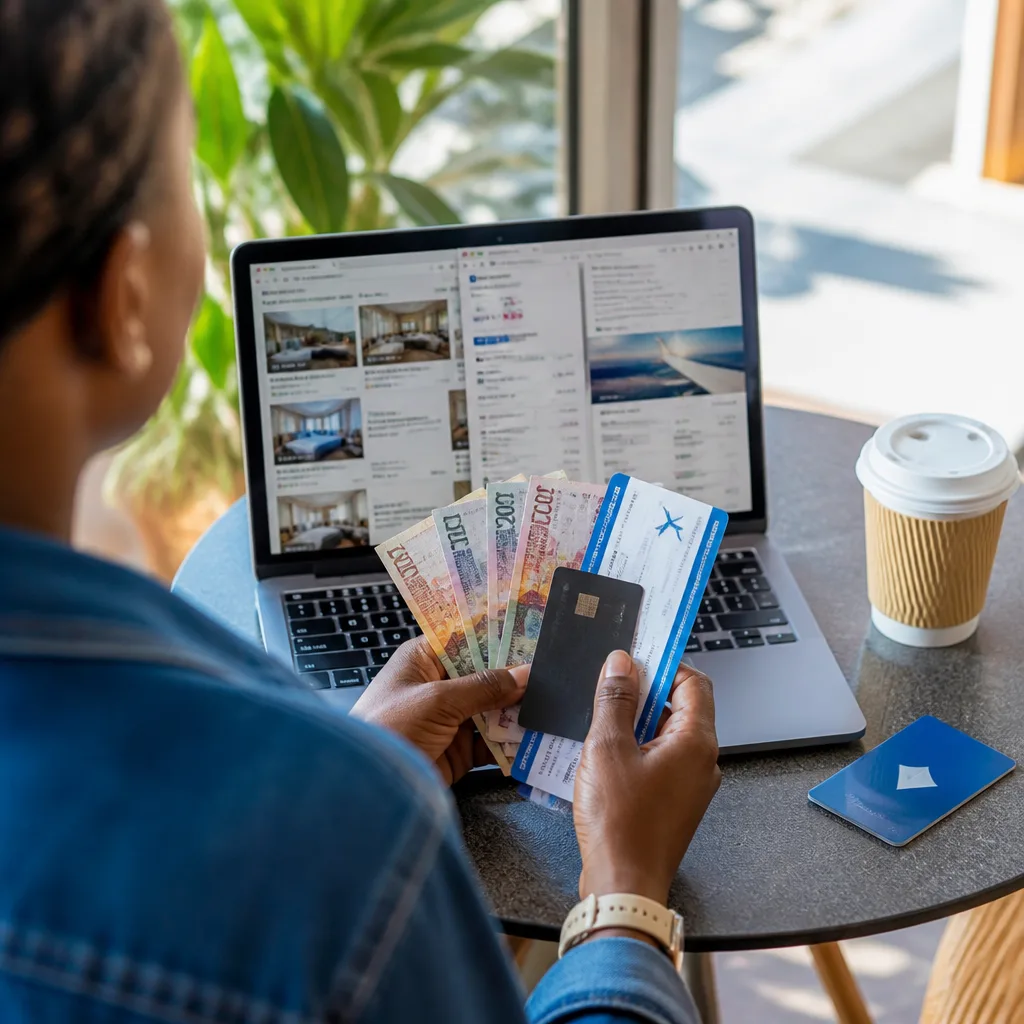
If you’ve been feeling the squeeze and want your next getaway to deliver more value, a recent survey suggests you’re not alone. Across the United States — findings that are useful for South African travellers thinking about how to get more from each rand spent on travel — 70% of respondents aged 18–65 said they feel pressure to make every holiday “worth the money”. The research highlights two straightforward ways to stretch a travel budget: make everyday spending reward-rich, and invest time in planning.
Rewards: turn daily purchases into travel value
Using credit-card rewards is one of the simplest strategies to reduce out‑of‑pocket travel costs. The survey found that 74% of respondents said using travel rewards made their travel spending feel more worthwhile. Younger travellers are especially motivated: 84% of Gen Z and 77% of Millennials agreed that rewards increase the perceived value of their trips.
The marketing material accompanying the survey sets out how a hotel-branded card can convert regular spend into nights and upgrades. Key features described include:
- 2 Bonus Points per $1 spent on dining, local transit and airline tickets bought directly from airlines;
- 1 Bonus Point per $1 on other purchases;
- An opportunity to earn up to 9X total points at participating hotels (four Bonus Points per $1 with the card plus up to five Base Points per eligible $1 as a loyalty member).
For travellers trying to fund accommodation with rewards, the survey noted popular behaviour: more than half ( 53%) of those who use credit cards and travel at least once a year said they would travel more often if rewards helped cover accommodation, while 36% said rewards would prompt them to take trips they otherwise wouldn’t.
Spend time researching — it pays off
Value-conscious travellers are also investing time before they pack. Nearly 4 in 10 respondents said they spend three or more hours researching and choosing a destination. That time can be used to:
- compare airport and hotel loyalty programmes,
- stack promotions (airline points plus hotel offers), and
- identify shoulder-season dates and cheaper midweek departures.
Short-term offers and how to approach them
The card promotion mentioned in the research brief gives new cardholders a limited-time opportunity to earn bonus points. The offer runs through 20 August 2026 and advertises up to 75,000 Bonus Points, which the issuer says could be redeemed for several free nights at lower-category hotels when redemption thresholds are met.
Short-term sign-up bonuses can accelerate earning, but they work best when the traveller:
- only applies if they can meet the spending requirement without taking on unnecessary debt,
- understands annual fees and foreign-transaction charges (important for international bookings), and
- matches the card’s benefits to their likely spending categories (dining, transit, accommodation).
| Survey statistic | Share |
|---|---|
| Feel pressure to make holidays “worth the money” | 70% |
| Say rewards make travel spending feel more worthwhile | 74% |
| Gen Z who value rewards | 84% |
| Millennials who value rewards | 77% |
“worth the money”
Practical next steps for South African travellers
Even though the survey was conducted in the US context, the lessons transfer well to South African planning. Start by auditing your everyday spend to see which categories you already spend most in, then look for local cards or loyalty programmes that reward those categories. If you travel internationally, check for cards with no or low foreign-transaction fees. And always factor in the real cost of credit (interest and fees) before chasing bonus points.
With a little planning and the right rewards strategy, it’s possible to reduce accommodation costs, make upgrades more attainable and ultimately stretch the rand further — so your next break feels more rewarding without blowing the budget.