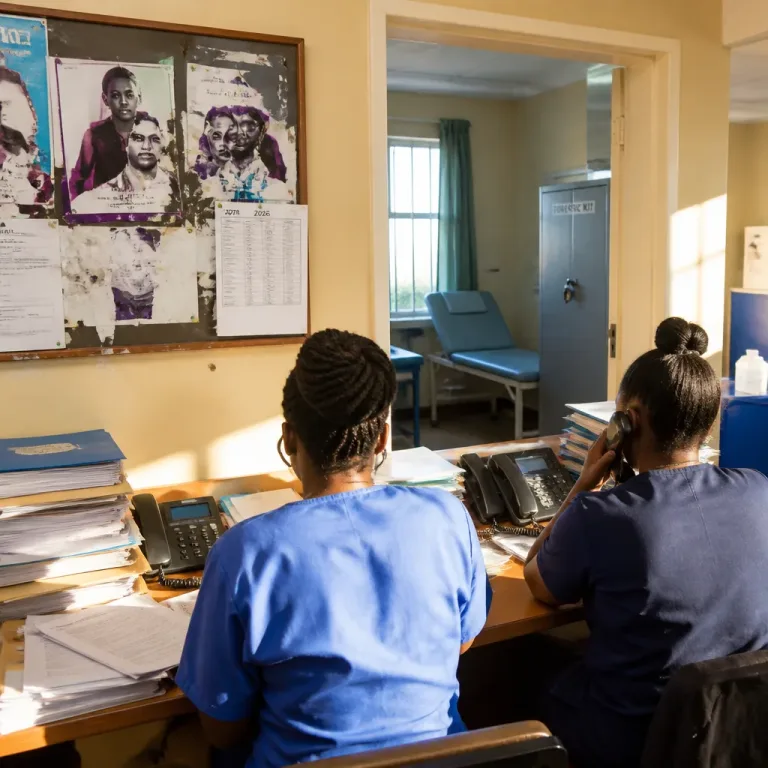
The National Department of Health has moved to reassure patients that medicine supplies in the public health sector remain stable despite recent concerns about shortages and changes in the appearance of some products.
Department explains causes of visual changes
Department spokesperson Foster Mohale said differences in the colour, shape and packaging of medicines are not an indication that the formulation or therapeutic effect has been altered. He told media the department is monitoring supply chains closely and identified several common causes of supply disruption and appearance changes.
“Patients who have questions or concerns about changes to the look of their medicines are encouraged to speak to their doctor, pharmacist or nurse, who can explain the reason for the change and confirm that the medicine remains appropriate for their treatment,”
The department reiterated that supply problems can stem from manufacturing issues, global shortages, transport delays and procurement changes. It also published an advisory on its official social media channel to reassure the public and stakeholders about medicine availability and packaging changes.
What this means for patients
Patients reliant on the public sector for chronic medicines should continue to collect and take prescribed medicines unless advised otherwise by a healthcare professional. The department’s statement seeks to prevent unnecessary interruption of treatment caused by alarm over cosmetic differences.
- Check with a healthcare professional: If a medicine looks different, patients should consult their doctor, pharmacist or nurse for confirmation before stopping or altering treatment.
- Carry prescriptions and documentation: Bringing prescription slips or pill containers to the clinic or pharmacy can help staff confirm that the medicine dispensed matches the prescribed therapy.
- Report concerns: Any suspected adverse reaction or genuine doubt about a medicine’s authenticity should be reported to clinic staff or the Department of Health so it can be investigated.
The department’s message aims to balance two priorities: maintaining uninterrupted access to essential medicines and ensuring transparency when changes occur in supply or packaging. While the statement is reassuring, the reality of modern pharmaceutical supply chains means that temporary disruptions can still happen.
| Reported cause | Effect noted by department |
|---|---|
| Manufacturing problems | Delays or substitution of batches leading to different appearance |
| Global shortages | Use of alternative suppliers or formulations where clinically appropriate |
| Transport delays | Temporary stock gaps at facilities |
| Procurement changes | Different packaging or suppliers used under new contracts |
Context and consequences
Changes to the appearance of medicines can cause anxiety among patients, particularly those on long-term therapies who are accustomed to a specific pill or package. Missing doses or stopping medication without clinical advice can lead to deterioration in chronic conditions such as hypertension, diabetes, HIV or epilepsy.
By advising patients to consult clinicians or pharmacists, the department seeks to prevent self-directed treatment changes and to ensure any genuine supply problems are identified and managed. Clinic and pharmacy staff can verify batch numbers, active ingredients and dosing instructions and can document concerns for escalation within the department or to regulatory authorities when necessary.
Patients should also be aware that, where clinically safe, public-sector facilities may substitute medicines from different suppliers or use alternative presentations to maintain continuity of care. These substitutions are usually assessed by clinical teams and pharmacists to ensure therapeutic equivalence.
The department’s public reassurance was posted on its official social media account, underlining the priority to keep stakeholders informed while supply-chain issues are addressed.
Health workers and patients who remain unsure about the identity or safety of a medicine are advised to visit their nearest clinic or community health centre. For medical advice tailored to individual circumstances, consult a doctor, pharmacist or clinic nurse rather than relying on social media or speculation.
Note: This report is based on the Department of Health’s public statement and related social media communication. For personal medical concerns, contact your healthcare provider.