
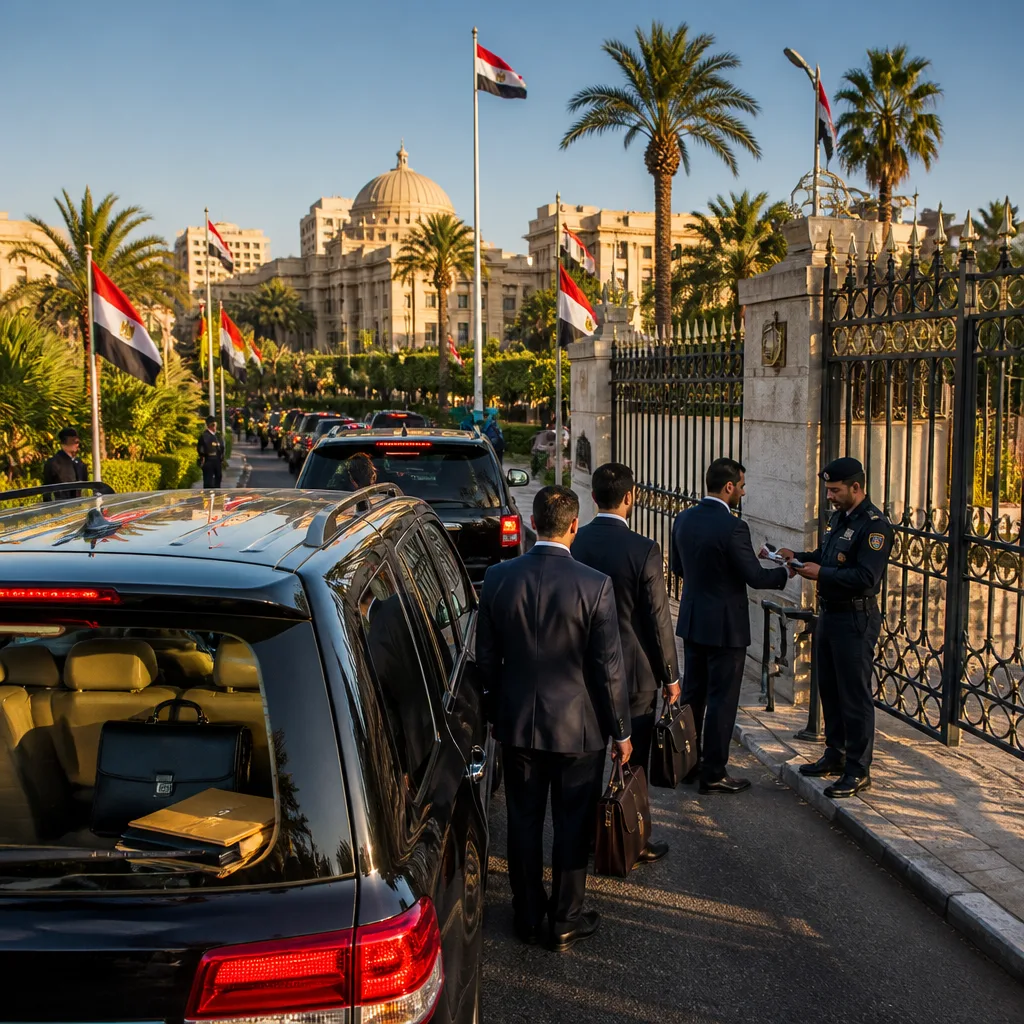
Khalil al-Hayya, who assumed leadership of Hamas in late July, is due to travel to Cairo to meet Egyptian intelligence officials, a Hamas source told AFP, in a development that comes before a planned visit to the region by US President Donald Trump’s envoy, Jared Kushner.
What is happening
The visit marks al-Hayya’s first to Egypt since becoming leader of Hamas. According to the report, he is scheduled to meet with Egypt’s intelligence chief, Hassan Rashad, on the morning of the visit. The meeting takes place as diplomatic activity around Gaza intensifies ahead of Kushner’s planned trip to Israel and Egypt next week.
The AFP-sourced report also notes that Kushner will be accompanied by Nickolay Mladenov, described in the report as the high representative for Gaza of what the piece labels the Trump administration’s "Board of Peace" tasked with implementing a proposed deal.
Why the meeting matters
Egypt has long played an intermediary role in negotiations involving Gaza, Israel and Palestinian factions. A visit by al-Hayya to Cairo signals a willingness by Hamas leadership to engage with Egyptian intelligence at a critical moment, while the presence of a US envoy in the region suggests renewed pressure to advance diplomatic proposals.
- First post‑leadership visit: This is al-Hayya’s first trip to Egypt after he took over leadership in late July.
- High-level meeting: He is set to meet Egypt’s intelligence chief, Hassan Rashad.
- Timing: The visit precedes Jared Kushner’s scheduled tour of Israel and Egypt next week.
Key people named in the report
| Person | Role |
|---|---|
| Khalil al-Hayya | Hamas leader (assumed leadership in late July) |
| Hassan Rashad | Egypt’s intelligence chief — scheduled meeting partner |
| Jared Kushner | US presidential envoy due to visit Israel and Egypt next week |
| Nickolay Mladenov | Named as high representative for Gaza for the administration’s so-called Board of Peace |
The short AFP account carried by the Times of Israel did not provide further details on the agenda for al-Hayya’s meetings or whether any concrete outcomes are expected. It also did not specify exact travel dates beyond saying the meeting was due “this morning” according to the source.
Context and potential consequences
Egypt’s security services have historically acted as a channel for talks between Hamas and other parties, including Israel and international mediators. Engagements in Cairo can be aimed at de‑escalation, negotiation over ceasefires, or discussions about humanitarian access to Gaza.
A high-level exchange now may influence the diplomatic environment that Kushner and his delegation will encounter. If talks in Cairo yield common ground on specific issues, they could shape the reception of any proposals the US team presents in Jerusalem and Cairo. Conversely, disagreements between parties or refusal to engage could complicate hopes for progress.
For South African readers interested in international affairs and humanitarian developments, such movements at the top of Hamas and increased diplomatic traffic in the region are worth watching. They can affect the prospects for ceasefire negotiations, humanitarian corridors, and regional stability — all matters that have humanitarian and political implications beyond the immediate region.
The report was brief and based on a Hamas source speaking to AFP; Times of Israel staff contributed to the piece. No further comment from Egyptian authorities, Hamas officials beyond the source, or representatives of the US delegation was included in the account.











