
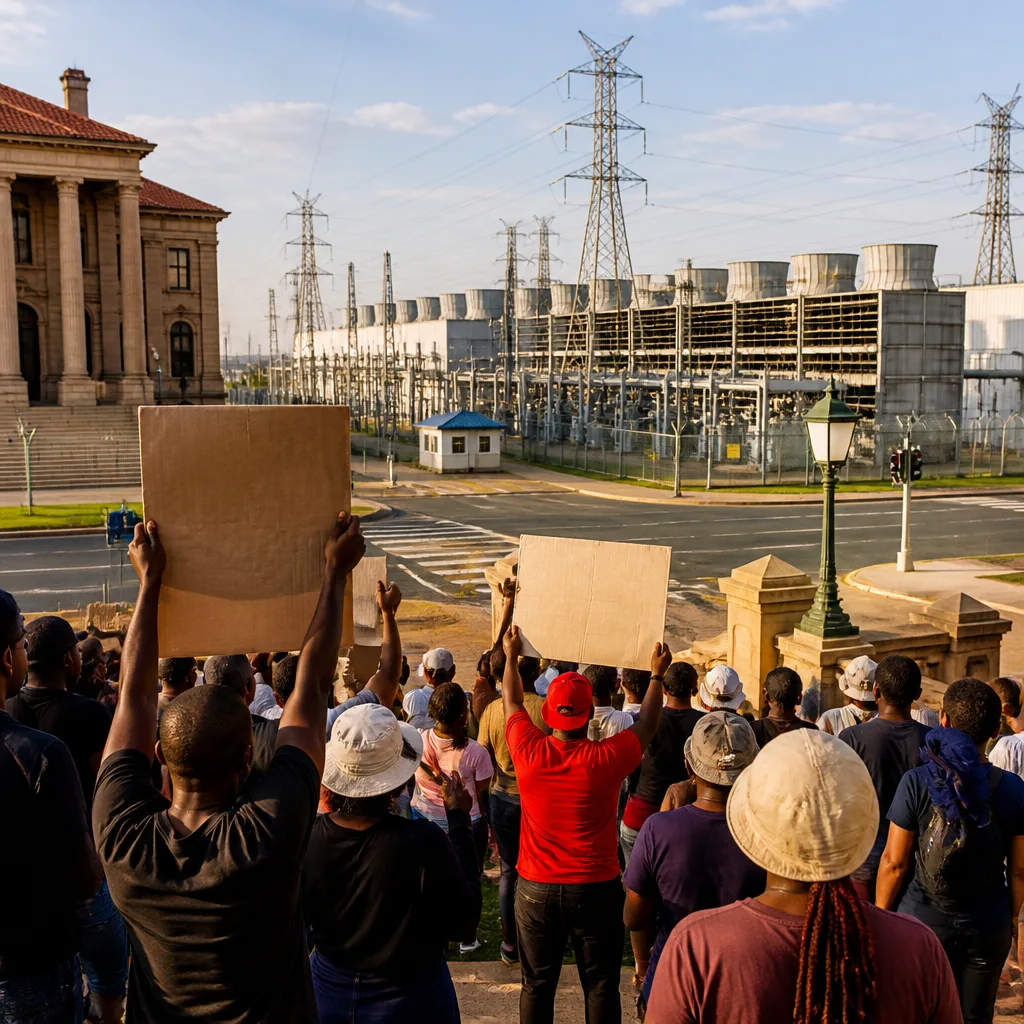
Governors in several US states have begun to change course on data centre development, saying they will withhold fast‑track permitting and lucrative tax breaks unless projects meet new standards. The shifts come as data centres — sprawling, energy‑intensive facilities that power cloud computing and artificial intelligence applications — have become a hot political issue ahead of the midterm elections.
From recruitment to restraint
Once courted as economic panaceas, data centres are now prompting public protests and political headaches for officials who previously promoted them. On Tuesday, Pennsylvania Governor Josh Shapiro, a Democrat, announced his administration would stop prioritising data centre proposals for construction permits and tax exemptions unless developers put forward plans that meet specified conditions. Those conditions include paying the full cost of electricity, limiting water use and running a local outreach campaign.
Shapiro framed the move as a response to a flood of what he called "speculative proposals for data centres" that he said were overwhelming the commonwealth and lacked consideration for local communities. His stance has electoral overtones: Shapiro is reported to be a potential White House contender in 2028 and is under pressure from his Republican challenger, Stacy Garrity, as communities in Pennsylvania push back against proposed facilities.
"Pennsylvania is seeing an unacceptable number of speculative proposals for data centres swamp our commonwealth — many of them led by developers who have no regard for local communities," the governor said, according to the reporting.
Politics in Texas and beyond
The debate is not limited to Pennsylvania. In Texas — historically enthusiastic about recruiting tech infrastructure — Republican Governor Greg Abbott has moved to appear tougher on the industry. Abbott ordered regulators to take measures aimed at protecting Texans from potential increases in electricity bills tied to data centre demand and instructed them to hold up projects until their reviews were complete. He has also said he will pursue a legislative agenda to impose further regulatory measures.
Democrats are attempting to use the issue to their advantage in Republican areas. The Democratic challenger Gina Hinojosa released a television advertisement in rural Texas markets accusing Abbott of "selling you out" to data centre executives and companies. Hinojosa, a state lawmaker, has targeted rural voters where concerns over water use, impacts on ranchland and the character of local life have fuelled discontent.
What unites the examples from Pennsylvania and Texas is that both governors were previously enthusiastic recruiters of data centre investment. The rapid swing in rhetoric and policy reflects shifting public opinion as communities see projects proposed near their towns and worry about rising energy demand, heavy water use and local consultation.
Who benefits and who pays
The political realignment over data centres highlights a familiar trade‑off in economic development: the prospect of jobs and investment versus local costs and environmental strain. Governors now say they want assurances that developers will shoulder infrastructure costs and minimise local impacts. Opponents of large facilities point to the potential for higher household electricity bills and pressure on water supplies, arguments that have gained traction with voters in both urbanising and rural parts of the country.
- Governors seek to avoid electoral fallout by tightening eligibility for incentives.
- Local communities demand clearer commitments on water, power and outreach.
- Developers and tech firms risk facing longer approvals and reduced access to tax breaks.
The situation remains dynamic. Officials are recalibrating the balance between attracting high‑tech investment and responding to constituent concerns. For campaigners on both sides, data centres have become a potent symbol — either of economic opportunity or of extractive outsiders imposing costs on host communities.
| State | Official action reported | Political context |
|---|---|---|
| Pennsylvania | Stop fast‑tracking permits and tax breaks unless developers meet standards (electricity costs, water limits, local outreach) | Governor Shapiro faces GOP opponent Stacy Garrity; public protests over proposals |
| Texas | Governor Abbott ordered regulators to guard against higher electricity bills and to delay projects until reviews are complete; signalled legislative push | Democratic challenger Gina Hinojosa running ads accusing governor of favouring data centre interests |
Where this will lead after the midterms is unclear. If the political pressure persists, states may write tougher rules for locating and operating data centres, affecting how — and where — the tech industry expands its physical footprint. For now, governors who once championed these facilities are recalibrating their message to avoid being cast as indifferent to local costs — and to defuse a potent campaign issue before voters render their judgment at the ballot box.












