
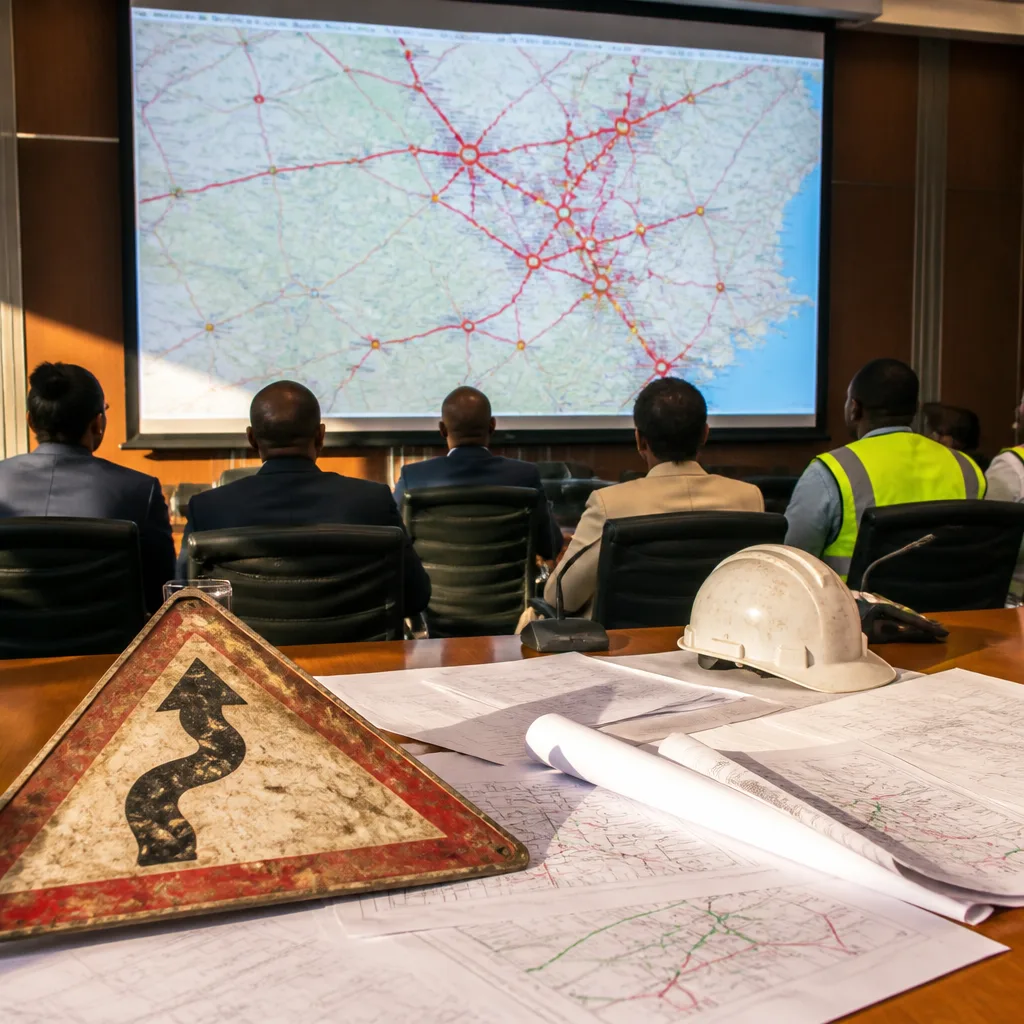
The Free State’s road network is largely outdated and in urgent need of upgrades, national transport authorities said during a stakeholder engagement that included the Transport Department, SANRAL, the Road Accident Fund and the Cross Border Road Transport Agency.
Deputy Transport Minister Mkhuleko Hlengwa said the province is moving in the wrong direction on road safety and urged officials to map where fatalities and serious crashes are occurring, which road user groups are most affected, and what causes those crashes.
“We need to understand where and why road safety fatalities are taking place in the Free State, which kind of crashes are occurring in the province and on which roads, which user groups are mostly affected, as well as what factors contribute to these crashes,”
Hlengwa added this diagnostic approach is necessary to identify where road-safety systems are failing and what corrective action is required. He said the work aligns with South Africa’s pledge under the United Nations Decade of Action for Road Safety 2021–2030 and warned that commitments must lead to concrete change rather than remain declaratory.
Ageing infrastructure and design shortfalls
SANRAL’s Free State provincial head, Marlize Nel-Verwey, told the forum that around 80% of the national road network in the Free State was designed and built more than 25 years ago. She said many of those roads were originally designed nearly 30 years ago and were not constructed to current primary or strategic road standards.
Nel-Verwey said SANRAL uses historical traffic data and scenario planning when designing roads to anticipate future demand. But she warned that the legacy network often does not meet the level of service and standards required of national roads and therefore requires upgrading to be fit for purpose.
Since some provincial roads were transferred to SANRAL, Nel-Verwey said the agency has discovered that 48% of the transferred network falls short of national requirements and will need interventions to bring it up to standard.
- 80% of the Free State’s national road network is older than 25 years.
- 48% of the network transferred to SANRAL does not meet national road standards.
- Officials are calling for targeted analysis of crash locations, types and affected road-user groups.
Implications for safety, freight and regional connectivity
The condition and design of roads affect more than travel times. Older roads that no longer meet modern standards can increase crash risk, impede efficient freight movement and raise maintenance costs. The Free State’s strategic location for interprovincial and cross-border traffic increases the stakes for ensuring roads are safe and fit for expected traffic volumes.
The engagement brought together national agencies tasked with road funding, maintenance and compensation for crash victims — indicating a multi-agency response is being considered. However, the discussion also highlights a policy and funding challenge: upgrading ageing infrastructure to contemporary standards requires coordinated planning and resources.
| Metric | Figure |
|---|---|
| Roads older than 25 years | 80% |
| Transferred network below national standard | 48% |
Officials noted that when roads were first designed, future traffic projections and vehicle mix were different. Changing vehicle types, heavier freight loads and higher traffic volumes mean many corridors now require reclassification and structural upgrades.
During the dialogue, agencies were urged to prioritise evidence-based planning: map crash clusters, identify corridors with mismatched design and current demand, and align upgrades with road-safety interventions. Hlengwa framed this as both a technical and moral imperative under South Africa’s commitments to reduce road deaths.
Details on specific upgrade plans, timelines, budget allocations or which corridors will be prioritised were not released during the session. The matter remains under consideration by the Transport Department and SANRAL as they refine proposals for corrective work and funding strategies.
As this develops, officials say the immediate next steps are data-driven: finalise crash and road-condition analyses, agree on priority corridors for upgrade, and identify resources and partners for implementation. Further announcements are expected once agencies have completed their assessments.














