The Economic Freedom Fighters (EFF) Member of Parliament and eThekwini mayoral candidate, Hlengiwe Mkhaliphi, has urged women to increase their representation in local government, warning that persistent social and cultural barriers leave important gaps in political leadership.
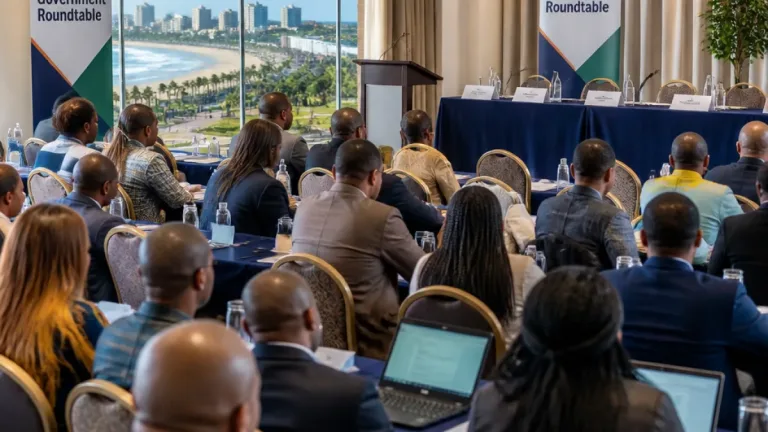
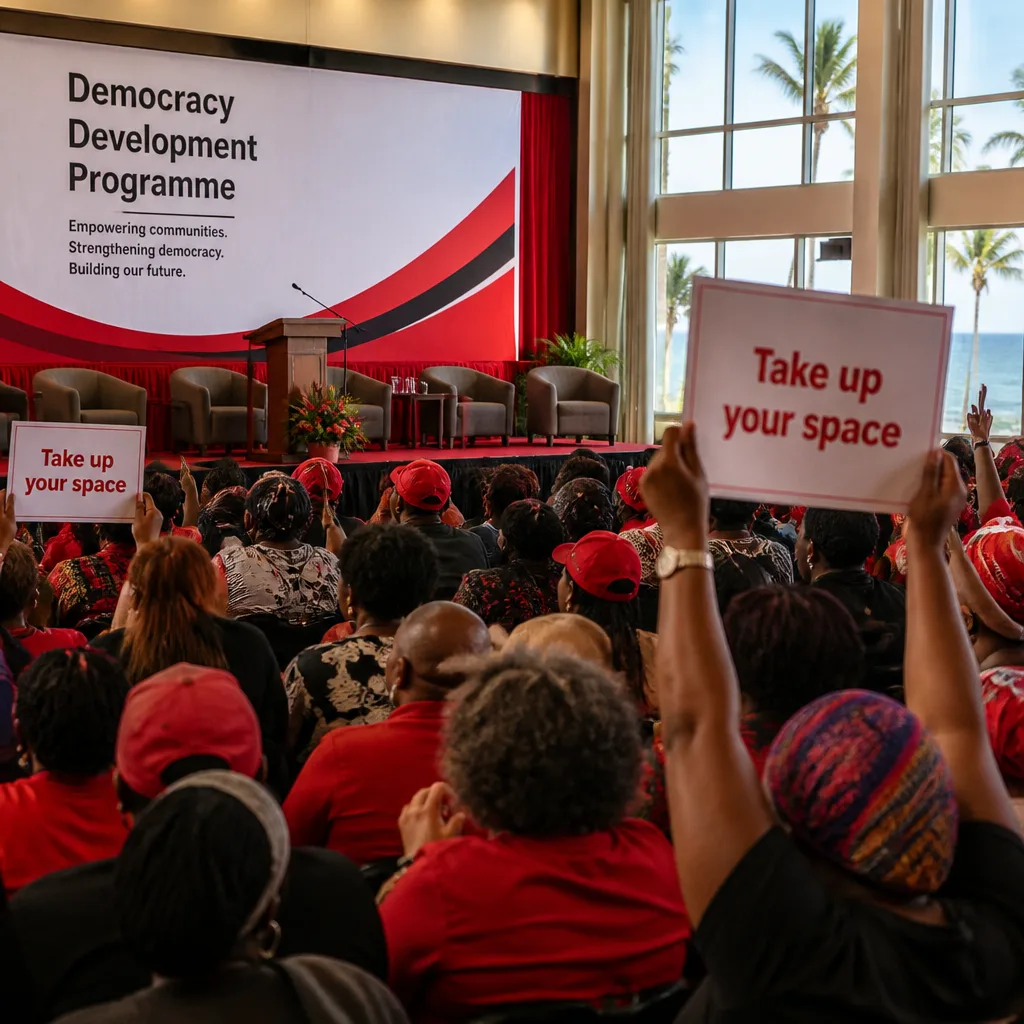
Mkhaliphi spoke on Thursday at a women’s conference hosted by the civil society organisation Democracy Development Programme in Durban. The gathering comes as political parties prepare for the local government elections on 4 November, when municipalities will be contested across the country.
Call to action: women’s participation in focus
Addressing the conference, Mkhaliphi said women remained under‑represented at municipal and national levels and that change required both institutional openings and shifts in social attitudes. She singled out patriarchy and a lack of self‑belief among women as persistent obstacles.
“We are still saying that participation of women in local government, national level in the legislature is still bad. One of the things is that we still have a background and stereotype called patriarchy; we don’t believe in ourselves… Local government needs all of us; we know it’s about service delivery, so as women, we must take up our spaces and lead all the way.”
Mkhaliphi, who is both an MP and the EFF’s candidate for the eThekwini mayoralty, framed the argument in practical terms: local government is where service delivery happens, and broader female representation could shape priorities and performance in municipalities.
What was said and who was present
The conference was organised by the Democracy Development Programme, an NGO that describes its work as deepening democracy and promoting good governance. The event took place in Durban shortly before the local government vote.
| Item | Detail |
|---|---|
| Event | Women’s conference |
| Organiser | Democracy Development Programme |
| Location | Durban |
| Context | Ahead of local government elections, 4 November |
The intervention from an EFF national figure and mayoral hopeful comes as parties across the spectrum emphasise gender representation in campaigning. The EFF has promoted candidates at municipal level and is contesting key metros in KwaZulu‑Natal and elsewhere.
Who benefits, who pays
- Beneficiaries: Women who enter politics and communities that may see different priorities in service delivery;
- Political parties: Parties that field credible female candidates can broaden their appeal among voters concerned with gender equality and delivery;
- Costs and constraints: Parties must invest in candidate support, recruitment and training; social barriers such as patriarchy identified by Mkhaliphi remain a non‑financial but material obstacle to increases in representation.
Mkhaliphi’s remarks emphasise cultural and psychological barriers rather than detailed proposals for legislative or party changes. She called on women to overcome stereotypes and to participate actively in leadership roles where everyday services — such as water, sanitation and municipal administration — are decided and implemented.
The debate over women’s representation in local government has several dimensions: legal and policy frameworks for gender parity; political parties’ candidate lists and ward allocations; and grassroots community support. Civil society groups, such as the Democracy Development Programme, play a role in convening discussion and encouraging civic participation ahead of elections.
With municipal contests scheduled for 4 November, calls to bolster female political participation will test how parties translate pledges into candidate selection and support on the ground. For voters, the immediate question is whether greater female representation will influence the delivery performance of municipalities that have long struggled with backlogs and administrative challenges.
The conference in Durban assembled voices pressing for change; whether that pressure results in a substantially larger cohort of women standing, and winning, in municipal contests will become clear as candidate lists are finalised and campaigns intensify in the weeks to come.
Reporting from the conference noted Mkhaliphi’s dual role as a national MP and a municipal mayoral candidate — a position that places her argument about local government at the centre of her party’s electoral strategy for eThekwini.