
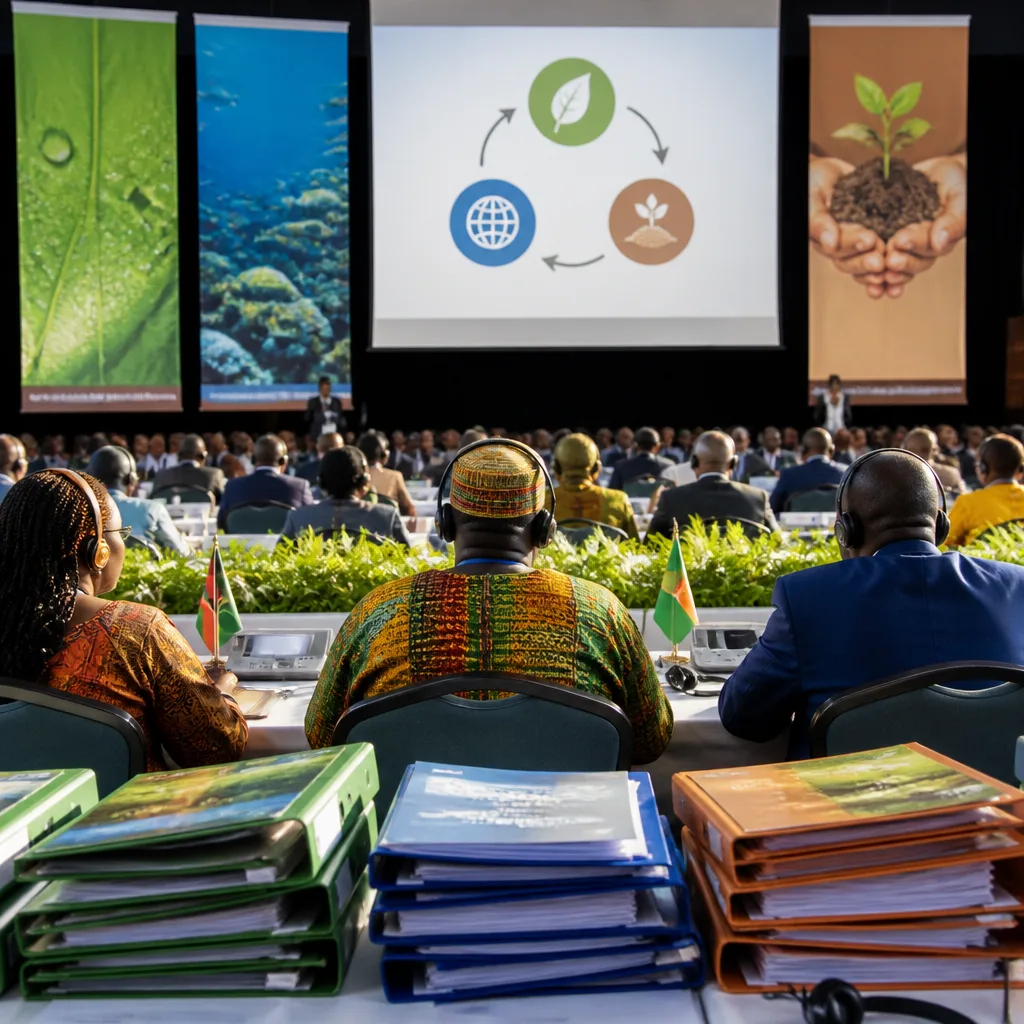
Negotiations at the UNFCCC ahead of COP31 in November centre on boosting cooperation between the major environmental agreements, with delegates and analysts saying a more coherent approach could ease the administrative strain on smaller delegations and improve implementation.
Triple COP year creates political momentum
The 2026 calendar has been described as a pivotal moment because it is a “triple COP” year for the three Rio Conventions: the United Nations Framework Convention on Climate Change (UNFCCC), the Convention on Biological Diversity (CBD) and the UN Convention to Combat Desertification (UNCCD). That timing coincides with work on the Sustainable Development Goals and broader United Nations reform under the UN80 Initiative, including the environment-focused Work Package 27 (WP27), which has identified the Rio Conventions as an opportunity for better coherence.
At stake is the degree to which separate reporting requirements, parallel workstreams and overlapping implementation processes can be streamlined so they complement one another rather than duplicate effort. The current fragmentation often imposes heavy administrative and technical demands on countries with limited resources.
Why coherence matters for developing countries
The push for deeper cooperation is not just bureaucratic. According to the reporting on the negotiations, many developing countries and smaller delegations face administrative burdens from multiple reporting channels and separate work programmes across conventions. Those duplications can strain technical and financial capacity at a time when implementation needs to accelerate.
- Practical relief: Aligning common reporting could free up capacity for on-the-ground action.
- Policy coherence: Integrated approaches can better reflect the links between climate change, biodiversity loss and land degradation.
- Financial efficiency: Cooperation may reduce overlapping costs across multilateral environmental agreements.
For countries such as South Africa, which must balance national mitigation and adaptation priorities with biodiversity conservation and land management, a more coordinated international framework could influence how technical assistance and finance are delivered.
UN reform and fiscal pressure add urgency
The UN80 reform process and a general context of budget constraints have increased interest in rationalising international environmental governance. Initial findings from WP27 have singled out the Rio Conventions as a promising area for improved alignment — a recognition that the conventions pursue related objectives but operate in siloed ways.
While the report notes growing support for synergistic approaches, it also warns that institutional fragmentation remains a significant challenge. Countries continue to navigate separate workstreams, which can slow implementation and create inefficiencies at national level.
| Conventions | Primary focus |
|---|---|
| UNFCCC | Climate change mitigation and adaptation |
| CBD | Biodiversity conservation and sustainable use |
| UNCCD | Desertification and land degradation |
Negotiators preparing for COP31 will therefore consider options to reduce overlap and strengthen cooperation without undermining the distinct mandates of each convention. The goal is to move beyond parallel efforts toward complementary, mutually reinforcing workstreams.
How that is achieved will matter for national governments seeking coherent policies that cut across climate, biodiversity and land management. Improvements at the international level could reduce reporting burdens, sharpen policy instruments and reorient limited finance to activities that deliver multiple benefits for climate resilience, ecosystem protection and sustainable land use.
As talks advance in the coming months, monitoring whether agreements on cooperation translate into concrete changes in reporting modalities, technical assistance and funding mechanisms will be central to assessing whether the “triple COP” year produces durable gains for countries with constrained capacities.









