
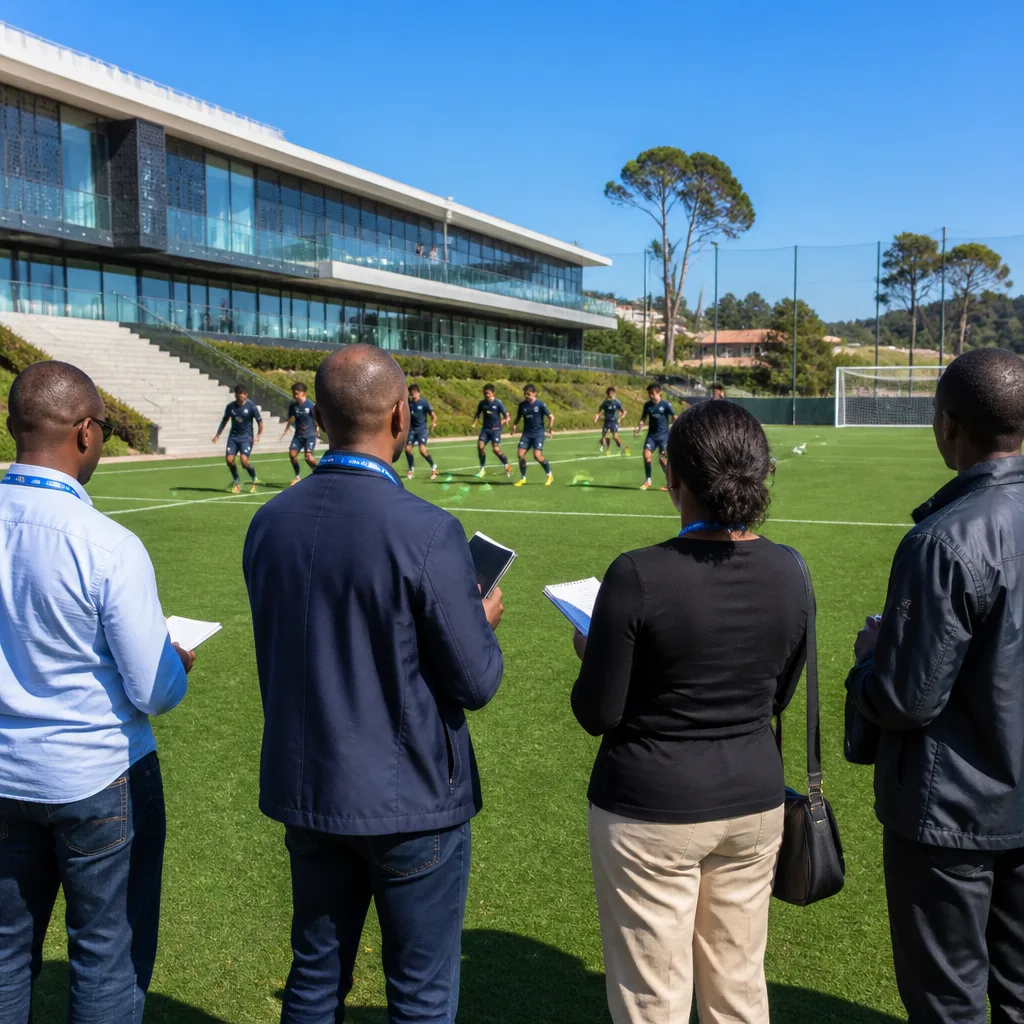
Concacaf has completed a three‑day technical study visit to Portugal aimed at strengthening coach education, talent identification and long‑term player development across its Member Associations, the confederation said on 12 August.
Focus on coach education and integrated development
The delegation met with the Portuguese Football Federation and visited the Benfica and Sporting CP academies to observe the systems that have produced consistent elite players and coaches, Concacaf reported. The programme examined governance arrangements, coach education models, talent identification processes, academy environments and pathway structures that link youth development with professional opportunities.
A particular emphasis was placed on Portugal’s coach education approach, which combines regional delivery with central quality assurance. Concacaf described this model as one that "supports accessibility while maintaining consistent standards across the country," ensuring coaches receive coherent, standardised instruction even when courses are delivered locally.
"The Portugal Technical Study Visit provided our technical leaders with an important opportunity to examine a football development system that has consistently produced elite players, coaches, and high‑performance environments," said Jason Roberts, Concacaf Chief Development Officer.
According to Concacaf, visits to professional academies highlighted multidisciplinary support structures, evidence‑based decision‑making and long‑term planning around individual player development.
- Coach education: regional delivery with central quality assurance to ensure consistent standards;
- Academy environments: a focus on individual development, specialised staff and modern facilities;
- Talent identification: integrated processes linking youth systems with professional pathways.
What Concacaf says it will do with the insights
Concacaf said the knowledge gained in Portugal will inform its ongoing work supporting Member Associations to improve coach education, talent development and player pathway structures. The confederation framed the visit as part of broader efforts to foster coach education, develop talent identification systems and build high‑performance environments tailored to the needs of its diverse membership.
While the statement did not list specific projects or timelines, the visit underscores Concacaf’s interest in adapting elements of established European systems — particularly the combination of decentralised delivery and central oversight in coach training — for use across the Americas and Caribbean.
| Visit element | Observed focus |
|---|---|
| Coach education | Regional delivery; central quality assurance |
| Academy visits | Multidisciplinary support; long‑term player plans; evidence‑based methods |
| Governance | Structures that align national strategy with club‑level development |
Context and possible implications
National football associations across Concacaf confront differing capacities, resource levels and geographic challenges. The Portuguese model observed by the delegation reflects one route to producing elite talent: strong club academies, coordinated coach education and governance that links youth development to professional opportunities. For member associations, the challenge lies in adapting those components to local contexts.
Concacaf’s statement suggests the federation intends to translate the visit’s lessons into support for member bodies, particularly in building coach education frameworks that balance accessibility with quality. If pursued, such adaptations could influence how national associations plan coach licensing, deploy technical staff and invest in youth structures.
The visit also serves as a reminder that many successful footballing nations combine central standards with local delivery mechanisms. For regions with dispersed populations and varied infrastructure, an approach that empowers regional delivery while preserving national standards can increase reach without sacrificing quality.
Concacaf did not disclose which technical leaders attended nor the precise next steps for implementation, but framed the study tour as a knowledge‑gathering exercise intended to shape future programming across the confederation’s member nations.
What to watch next: announcements from Concacaf on coach education programmes, pilot projects in member associations and technical cooperation plans will indicate how the Portugal visit translates into concrete support and funding for national development pathways.









