The Madlanga Commission on Tuesday examined WhatsApp conversations that, according to evidence presented at the inquiry, connect the late taxi boss Jothan “Mswazi” Msibi, a jailed SAPS sergeant, and alleged cartel associates in discussions to acquire advanced surveillance and jamming equipment.
Alleged use of police credentials to pursue private deals
Evidence leader Matthew Chaskalson guided the commission through messages dating from January 2023 that he said implicated former or serving police personnel in attempts to market sophisticated surveillance systems to private buyers. The exchanges, the commission was told, included discussions about presenting the equipment as intended for SAPS.
Central to the material shown to the inquiry were messages and correspondence suggesting that SAPS sergeant Fannie Nkosi used police letterhead and stamps and signed documents purporting to represent the police service when communicating with a Czech company Invasys. The commission heard that some of those documents bore apparent SAPS stamps.
Demonstration in Centurion and an unresolved intermediary
Chaskalson told the commission that representatives of Invasys travelled to South Africa and conducted a demonstration at the Anew Hotel in Centurion on 10 February 2023, arranged after correspondence which identified SAPS Pretoria as the intended recipient of the demonstration.
The messages also referred to an individual identified as "phone expert Sean Jacobs" who allegedly facilitated the demonstration. The commission reported it had not yet been able to trace Jacobs and that there were insufficient details in the evidence to determine his identity.
"phone expert Sean Jacobs"
Nature of equipment and broader concerns
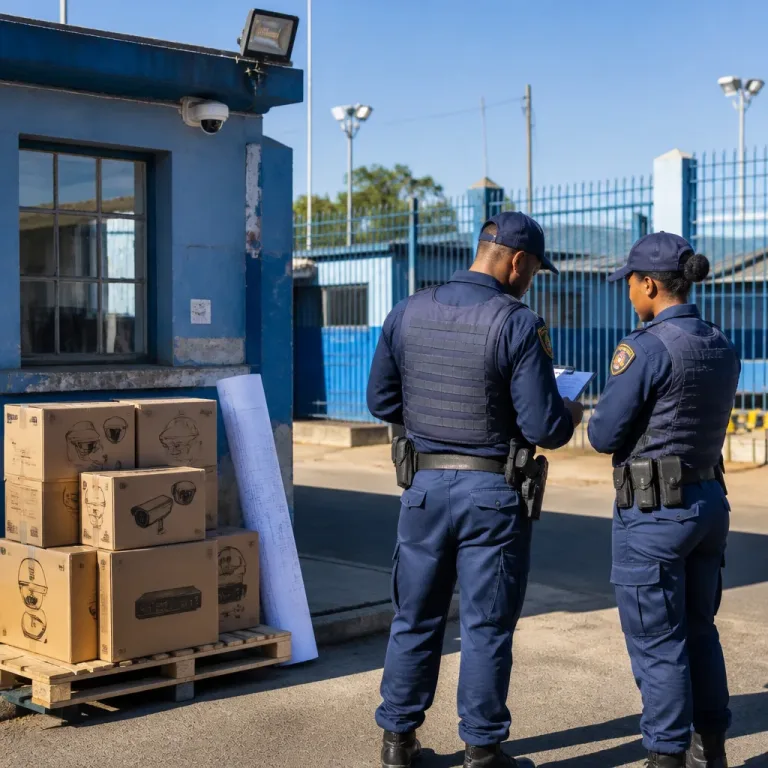
According to the material presented, the group discussed procuring a surveillance "grabber" from the Czech Republic and marketing a commercial project that combined high‑tech surveillance, digital interception systems and jamming technology. The commission was told such devices can be used to track people or intercept communications.
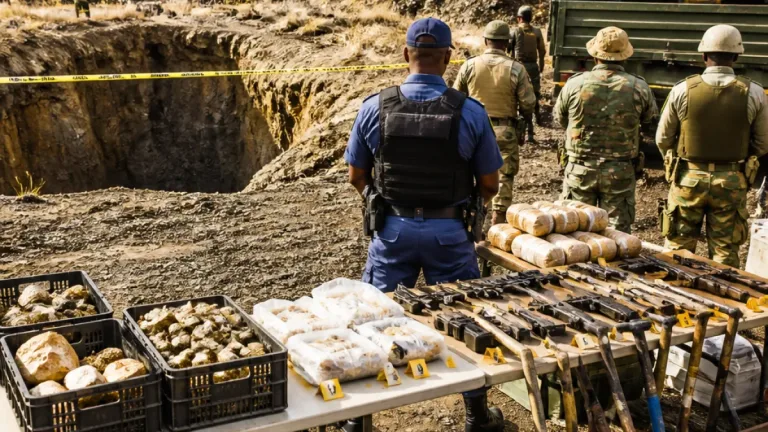
Chaskalson indicated the same procurement method could have been used to source weapons for private buyers, a suggestion the commission is examining as part of wider concerns about how security and surveillance technology may have been diverted into private hands.
- Principal figures named in the messages: Jothan “Mswazi” Msibi, S Sgt Fannie Nkosi, Steve Motsumi and Katiso Molefe.
- Foreign supplier identified: Czech company Invasys; demonstration held in Centurion on 10 Feb 2023.
- Key issues: Use of SAPS letterhead/stamps, alleged misrepresentation, potential sale of surveillance and jamming devices to private actors.
| Item | Detail |
|---|---|
| Message timeframe | January 2023 (extracted WhatsApp history) |
| Demonstration date | 10 February 2023 |
| Demonstration venue | Anew Hotel, Centurion |
The commission has not yet established whether Invasys was aware of the allegedly fraudulent claims about SAPS involvement, the evidence leader said. It also remains unclear whether the devices shown were ultimately sold or who the intended private buyers were.
Legal and institutional implications
The messages were presented against the backdrop of broader inquiries into illicit networks that allegedly insert themselves into state and security structures. If the commission's suspicions about the misuse of official credentials and procurement channels are substantiated, they could point to criminal offences and institutional failures within policing and procurement oversight.
Investigators and the commission will need to establish whether any SAPS personnel knowingly misrepresented the police service, whether private companies were complicit, and what administrative or criminal remedies should follow. The material shown to the inquiry also raises questions about controls on the import, demonstration and transfer of devices capable of intercepting communications.
The Madlanga Commission continues to examine the messages and related documents. No findings or conclusions have been released by the commission about criminal responsibility or the involvement of the named parties beyond the material presented in evidence.