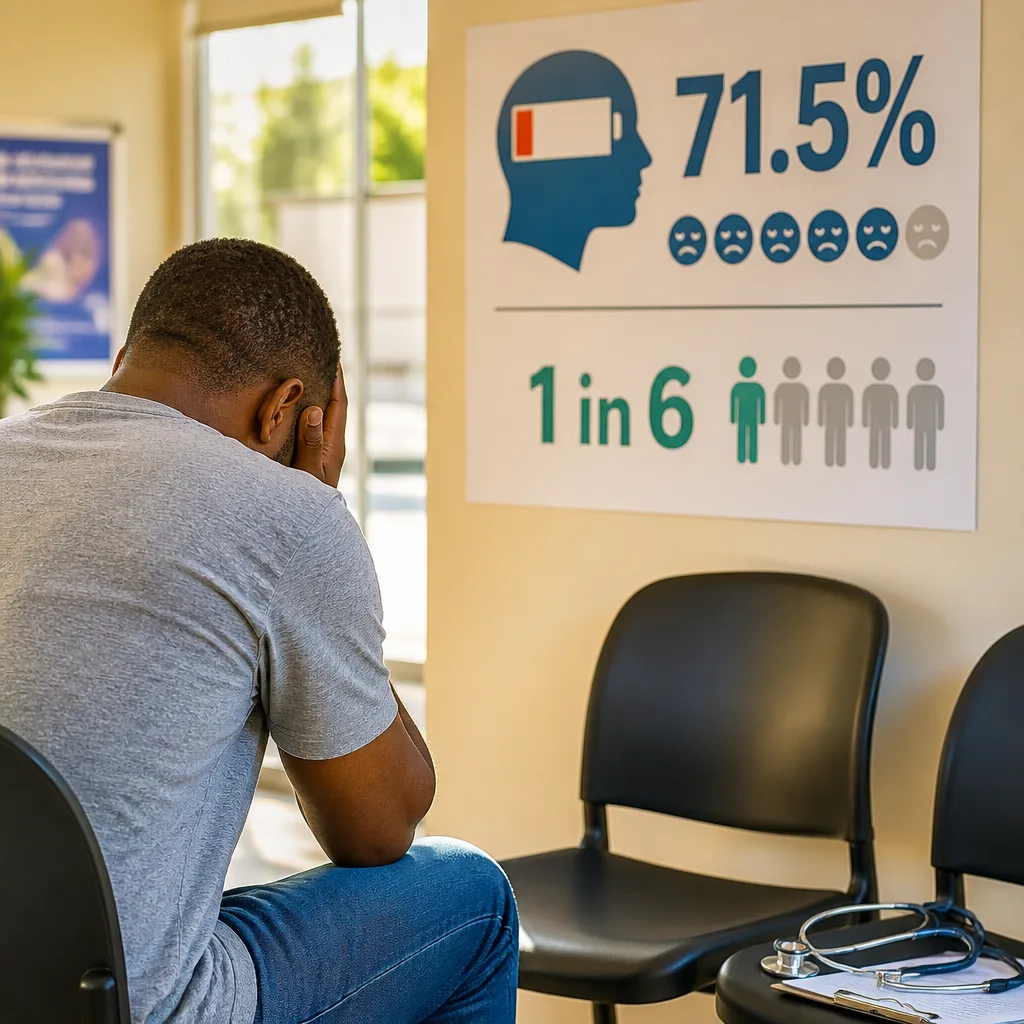
A new analysis from the US Centers for Disease Control and Prevention’s National Center for Health Statistics (NCHS) shows that fatigue is a common and consequential health complaint among adults. According to the report, which surveyed about 27,000 adults in 2024, 71.5% of respondents said they felt tired on multiple days over the prior three months, and roughly one in six experienced frequent fatigue — defined as most days or every day.
What the data show
The NCHS analysis points to fatigue as more than simple sleepiness: it is described as physical or mental exhaustion that does not improve with rest. The report, summarised in a recent news account, highlights a number of important patterns:
- Women and younger adults reported frequent fatigue more often than men and older adults.
- Frequent fatigue commonly co-occurs with other health problems and functional limitations.
- People with frequent fatigue were substantially more likely to report symptoms of depression, anxiety and cognitive difficulties.
“So it’s not just that fatigue is common,” the report’s lead author, sociologist Natalie A.E. Young, said. “It’s that fatigue is common and those with fatigue are facing limitations in their daily lives.”
The report emphasises that general fatigue differs from chronic fatigue syndrome and can be a symptom of many underlying causes, including other medical conditions or medication side effects. The NCHS analysis also links frequent fatigue with higher risks of activity limitations and disability, and it notes that people reporting fatigue are at increased risk of permanent work disability.
Numbers at a glance
| Measure | Estimate |
|---|---|
| Adults surveyed | ~27,000 (surveyed in 2024) |
| Reported tiredness on multiple days (past 3 months) | 71.5% |
| Frequent fatigue (most days or every day) | About 1 in 6 |
| Relative risk — depression among those with frequent fatigue | More than 3 times as likely |
| Relative risk — cognitive difficulties or anxiety | About 2 times as likely |
Researchers stress that fatigue often accompanies other conditions that limit daily functioning, including mental health disorders and cognitive problems. The links between frequent fatigue and higher rates of depression, anxiety and cognitive difficulties underline the need for clinicians to assess patients holistically.
Implications for health services and workplaces
The breadth of reported fatigue has implications for primary health services, occupational health and social support systems. Clinicians and public health planners may need to consider routine screening for fatigue in primary care, and employers could be prompted to review workplace demands and supports, particularly for younger workers and women who reported higher prevalence in the survey.
Public health responses should not focus solely on sleep hygiene. Because fatigue can result from medical conditions, medication side effects, mental health disorders or social determinants such as economic stress and healthcare access, the report suggests multifaceted approaches are required.
What clinicians recommend
- Healthcare providers should evaluate fatigue by asking about sleep, medications, mental health, chronic conditions and social stressors.
- Patients experiencing persistent or worsening fatigue should consult a clinician rather than self-diagnose.
- Treatment plans should be individualised and may include investigations, treatment of underlying conditions, medication review and referral to mental health services where appropriate.
The NCHS analysis is the first of its kind from the centre to examine the frequency of general fatigue in a nationally representative sample of US adults. It contributes to growing attention to fatigue as a public-health concern that affects everyday functioning and broader societal productivity.
Readers with persistent exhaustion or new worrying symptoms are advised to seek assessment at a clinic or from their doctor to identify treatable causes and appropriate support.