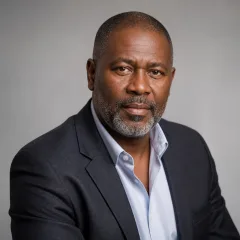

California has stepped up regulatory action on artificial intelligence after a former industry researcher published a widely shared post warning that the technology could pose grave risks over the next decade, according to reporting from KCRA.
Trigger and immediate response
The post was published by Jacob Coxon, described in the report as a former researcher at AI companies Anthropic and OpenAI. Coxon “detailed his concerns on social media this week”, accusing both companies of not acting responsibly during his three years working for them, the report said. The post touched off renewed scrutiny from state leaders and accelerated recent efforts to assess and manage AI safety risks.
Legislative and executive moves
Governor Gavin Newsom has signed legislation that increases assessments of AI safety risks, the report states. Details of the bill’s provisions were not included in the item, but the governor’s action forms part of a broader state push to bring greater oversight to rapidly advancing AI systems.
Assembly Member Rick Chavez Zbur, who is identified in the report as one of the authors of legislation that would regulate data centres and their use of natural resources, has also been involved in the unfolding policy response. The story noted that several California cities and counties have paused plans to build data centres while regulators and elected officials consider environmental and infrastructure implications.
| Action | Who | Status |
|---|---|---|
| AI safety assessments legislation | Governor Gavin Newsom | Signed |
| Data‑centre regulatory bills | Assembly Member Rick Chavez Zbur | Under consideration |
| Local data‑centre approvals | Several cities and counties | Paused |
| Expected announcement on data centres | Governor’s office | Imminent |
Why data centres matter
The report links the AI safety debate to physical infrastructure. Large generative AI models require substantial computing power, which in turn drives demand for data centres and significant energy and water resources. The pause by some local governments reflects concerns about those resource demands and the need for planning to manage environmental and grid impacts.
- Jacob Coxon’s social media post catalysed renewed political attention on AI safety.
- Governor Newsom has responded by signing legislation to increase safety assessments for AI.
- Local governments have paused data‑centre projects while state rules and potential restrictions are debated.
Political context
The KCRA report also situates the developments within a larger political calendar: with less than two months to the midterm elections in the United States, both parties are intensifying campaigning. The story notes that voters in California will face a range of ballot measures in November, including Proposition 39, which would change voter identification rules, and that campaign activity is increasing as the vote approaches.
News outlets and political commentators cited in the report underlined the complexity of balancing innovation, public safety and environmental stewardship. The state’s actions could become a model for other jurisdictions drafting rules for AI deployment and the infrastructure that supports it.
What to watch next
The items to monitor going forward, based on the report, are:
- details of the legislation Governor Newsom signed on AI safety assessments;
- the content of the governor’s forthcoming announcement on data‑centre regulations;
- how paused local approvals are resolved and whether new environmental or resource conditions are imposed; and
- any federal responses or broader industry commitments prompted by the state measures.
California’s moves underscore how state governments are increasingly central to shaping the governance of emerging technologies. Policy choices there will matter not only to Silicon Valley and the state’s grid planners, but to national and international discussions about how to ensure AI systems are developed and deployed responsibly.