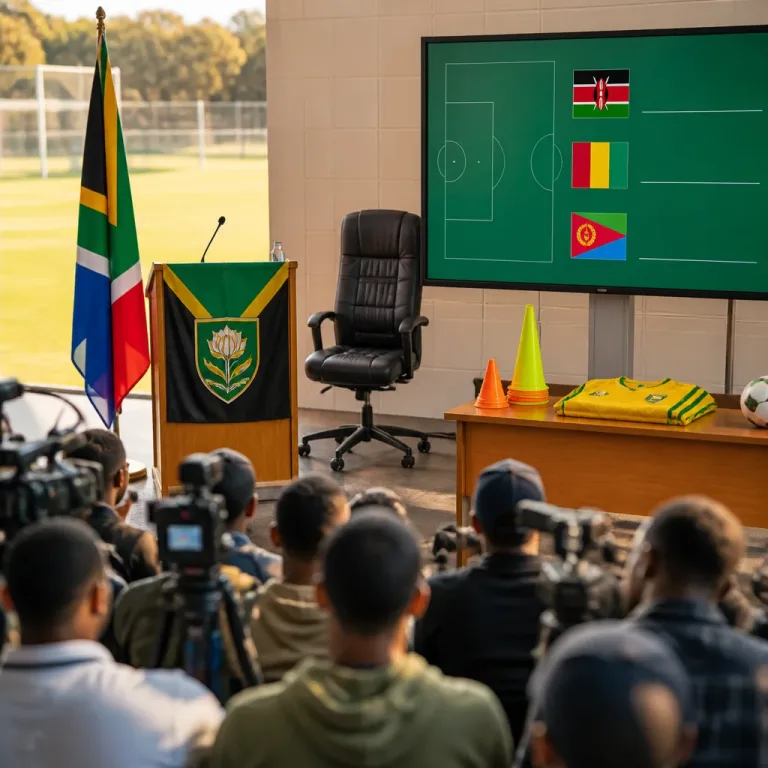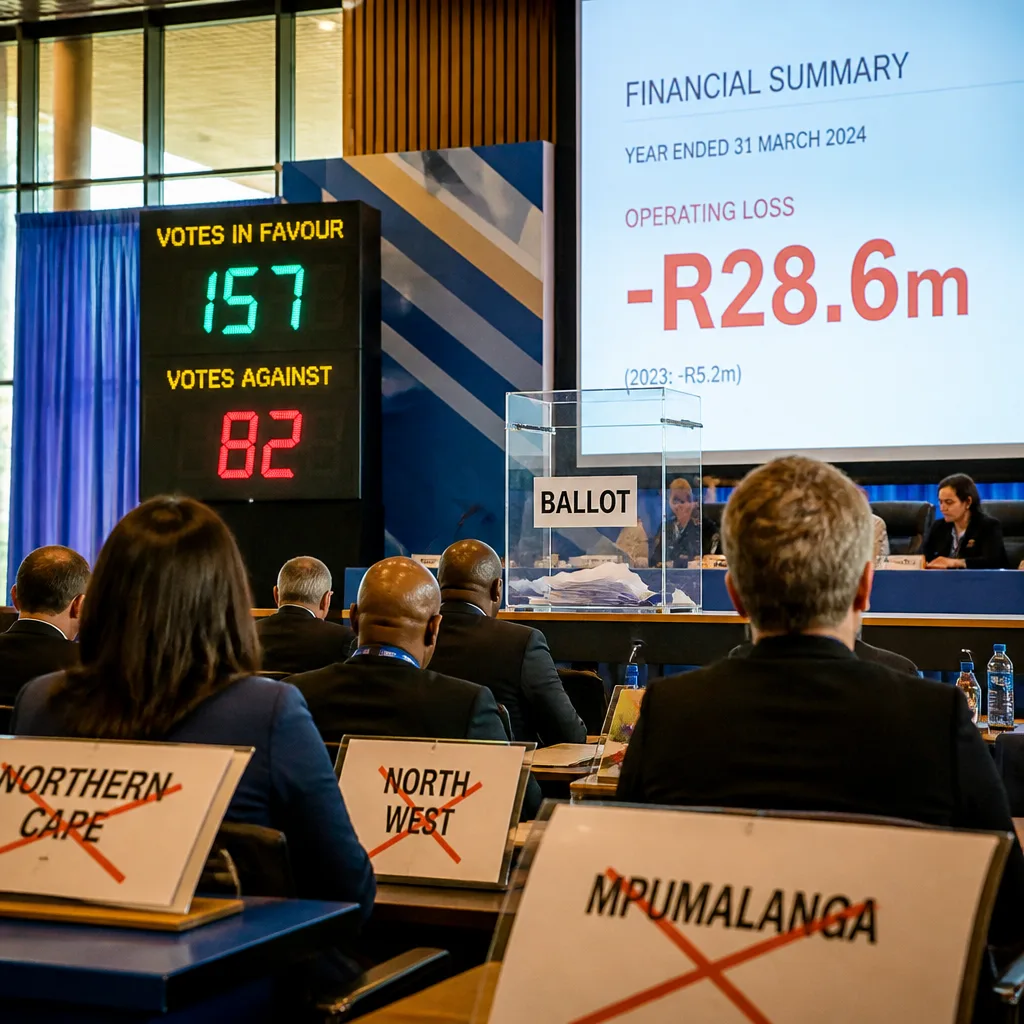
Danny Jordaan has been elected for a fourth successive term as president of the South African Football Association (SAFA), winning the vote at the elective congress in Midrand and pledging to lift South African football back to the top of its game.
Vote, controversy and a clear margin
The 75‑year‑old incumbent beat AmaZulu chairman Sandile Zungu by 157 votes to 82 at the VodaWorld congress, SABC reported. The elective meeting was, however, clouded by the disqualification of four regions — two from KwaZulu‑Natal and two from the Northern Cape — which were barred for failing to hold internal elections required for participation in the national congress.
SAFA’s National Executive Committee adopted a report that led to those exclusions, and associate members SAMLFA and SAFCA were also not taking part, according to the coverage. Organisers said that even if the disqualified regions had been allowed to vote, their participation would not have altered the result.
Financial red flags and governance questions
Beyond the ballot box, SAFA faces real financial challenges. The association reported a net loss of R28.6 million in the 2024/25 financial year, a figure that has prompted concern about delayed payments and organisational capacity, SABC reported.
Former SAFA CEO and current sport governance consultant Dennis Mumble told the broadcaster he hopes the association will develop a turnaround strategy to avoid delayed payments to staff, regional bodies and national team players in future. Those delays, if they continue, risk undermining development work across the country and the morale of players and officials.
Priorities and pledges
Jordaan told delegates he wanted to measure success by the performances of the national teams, and said refereeing and the women’s game would be priorities during his latest term, SABC reported. His re‑election signals continuity in leadership at a moment when SAFA faces strained relations with the Premier Soccer League and questions about its long‑term direction.
Observers note that Jordan’s longevity in the role — he has led SAFA since September 2013 — offers both stability and the risk that entrenched approaches may persist unless concrete reforms are introduced.
- Election result: Jordaan 157 votes; Zungu 82 votes
- Regions disqualified: Four regions (two KZN, two Northern Cape)
- Reported financial loss: R28.6 million (2024/25)
| Item | Detail |
|---|---|
| President | Danny Jordaan (re‑elected) |
| Challenger | Sandile Zungu |
| Vote margin | 157 – 82 |
| Reported net loss | R28.6 million (2024/25) |
Implications for the national game
The outcome has several practical consequences for South African football. Continuity of leadership could help maintain existing relationships and ongoing programmes, but the association will need visible, rapid action to shore up finances and restore confidence with provincial bodies and the PSL.
If delayed payments to staff, regional affiliates and national players continue, grassroots development and elite preparation could suffer. That would be especially damaging as SAFA seeks to elevate its women’s teams and improve refereeing standards — two areas Jordaan highlighted as benchmarks for the coming term.
For supporters, administrators and players, the next steps will be telling. Will the new term focus on structural reform and transparent financial recovery, or will the association again prioritise continuity over change? SAFA’s published plans and the implementation timetable will determine whether this re‑election is a fresh mandate for improvement or a postponement of difficult choices.
SAFA and its stakeholders now face the task of translating pledges into budgets and action. With the national teams and the domestic game watching closely, effective governance and prompt financial stabilisation will be central to whether Jordaan’s fourth term is judged a success.