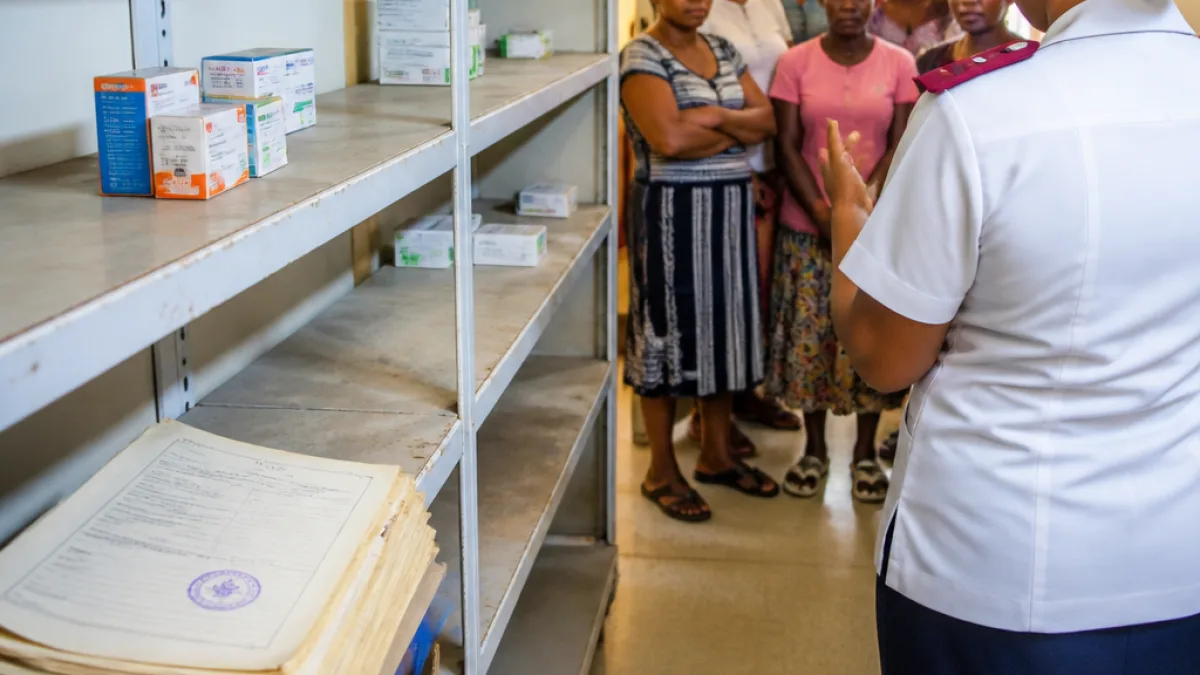
Hospitals and clinics across the North West province are experiencing chronic shortages of medicines and medical supplies, a situation that is seriously undermining public healthcare for people dependent on state services. The problem was outlined by Freedom Front Plus deputy national chairperson and North West provincial legislator Michal Groenewald, who described the North West Department of Health as being afflicted by institutional decay, corruption and mismanagement.
Impact on patients and frontline services
Groenewald said the shortages are not occasional but a constant feature of primary care and hospital services, with patients — including those living with life‑threatening chronic conditions — regularly turned away from clinics and hospitals because prescribed medicines are unavailable. The shortages, he said, have severe consequences for continuity of care and patient outcomes.
He pointed to supply‑chain breakdowns and payment problems that have discouraged suppliers from doing business with the province, worsening the shortages and creating a cycle of non‑delivery and mounting unpaid invoices.
“Only 30% of the medication and 17% of other medical materials ordered are actually delivered to clinics and hospitals,” Groenewald said.
Administration in collapse, say opposition members
Groenewald noted that the department was placed under administration from 2018 to 2022, but he said there has been no visible improvement since. During an oversight visit to the Mmabatho Medical Depot in 2022, he said, officials found unpaid invoices dating back to 2014.
He argued that the pattern shows a lack of stock control and weak internal capacity to perform core functions such as distribution and inventory management. Groenewald warned against the reliance on external consultants and contractors to carry out essential departmental tasks, saying discipline and professionalism must be restored within the administration.
What the figures show
| Issue | Figure |
|---|---|
| Medication delivered compared with orders | 30% |
| Other medical materials delivered compared with orders | 17% |
| Unpaid invoices discovered at Mmabatho depot | Dating back to 2014 |
| Period department was under administration | 2018–2022 |
Community and worker consequences
The shortages place strain on nurses, pharmacists and clinicians who must find alternatives, delay treatments or refer patients to other facilities. For patients with chronic illnesses — including those needing antiretroviral therapy, hypertension or diabetes medication — interrupted access can lead to complications and increased hospital admissions.
Community members dependent on public clinics face out‑of‑pocket costs if they are forced to buy medicines from private pharmacies. Groenewald said that the combined effect of late payments, reluctance by suppliers and weak stock control has eroded the province’s ability to deliver basic health services.
Calls for reform and practical steps
Groenewald called for urgent measures to rebuild internal capacity in the Department of Health, including restoring professional discipline in procurement and logistics and establishing effective stock‑control systems. He warned that continuing to outsource core functions to consultants will not solve systemic problems.
For patients and community members seeking to navigate the crisis, the following practical measures may help:
- Check with local clinics in advance about medicine availability and ask whether alternative facilities have stocks.
- If prescribed drugs are unavailable, request a referral note or list of alternative medicines that can be dispensed.
- Keep treatment cards and records up to date to help clinicians manage interrupted care.
- Report repeated shortages and stock‑out incidents to the clinic manager and, if unresolved, to the provincial health department or the Health Ombud.
What remains unreported
The details in Groenewald’s account are drawn from his oversight work and public statements. The provincial health department will need to respond with its own accounting of procurement processes, outstanding payments, and plans to restore medicine supply. Given the severity of the shortages described, monitoring by civil society, unions and oversight bodies will be essential to track any promised interventions and to safeguard patient care.
Restoring reliable medicine supplies in the North West will require not only financial settlements with suppliers but also transparent, professional management of procurement and distribution if public healthcare services are to recover their capacity to care for the province’s most vulnerable.