The national drive to extend broadband to schools marks a welcome investment in infrastructure, but fresh research from the University of Johannesburg’s Centre for Social Development in Africa cautions that simply laying cables and switching on Wi‑Fi will not by itself deliver genuine digital inclusion.
Access is only the beginning
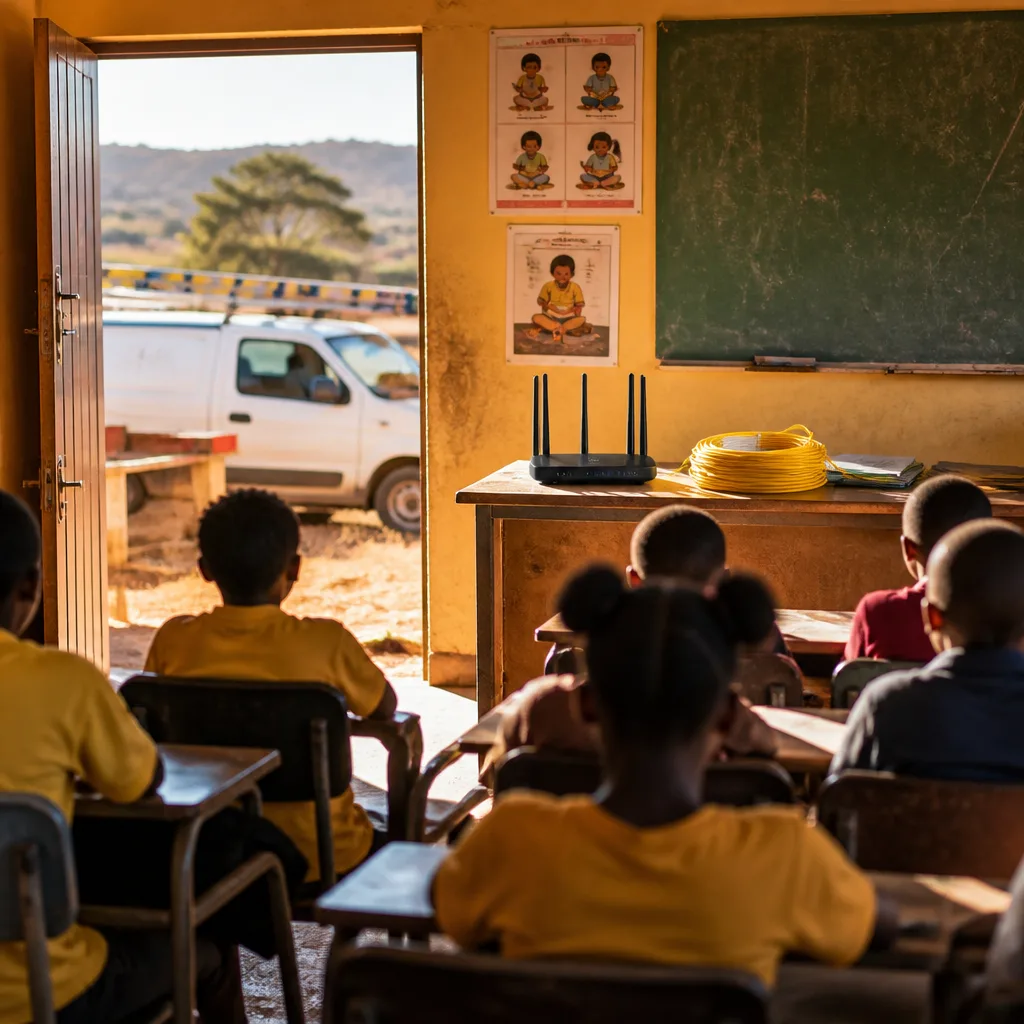
Communications and Digital Technologies Minister Solly Malatsi recently announced partnerships with telecommunications firms to improve connectivity in schools. The move recognises that increasing numbers of learning materials, applications and government services rely on an internet connection. Yet the UJ study, which examined how young people in different Johannesburg communities experience digital life, argues that counting connections and devices is an incomplete measure of progress.
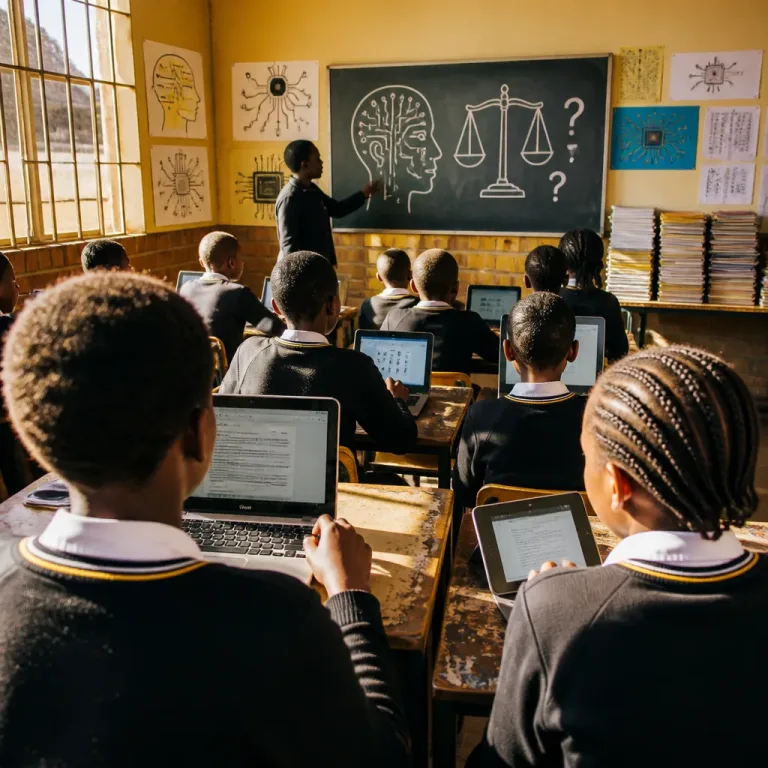
According to the research, ownership of a smartphone or the presence of school Wi‑Fi does not automatically translate into better education outcomes, improved employment prospects or meaningful participation in a digital economy. In practical terms, a learner who can attach to a network may still lack:
- the skills to use online tools effectively for learning and work;
- reliable access to a device suitable for study outside school hours;
- ongoing teacher support and curricula that integrate digital skills;
- affordable and sustained data or device maintenance budgets at household level.
Why 'connected' does not equal 'included'
The UJ centre’s findings underscore a recurring policy problem: South Africa has monitored progress through metrics that are easy to count — numbers of SIM cards, households with internet access, kilometres of fibre laid — but these do not reveal whether learners are able to convert connectivity into opportunity.
Practical barriers include intermittent access outside school, limited digital literacy among teachers, and the cost of data and suitable devices for homework and skills development. The research highlights that without complementary investments in training, pedagogical redesign and affordable home access, the benefits of school broadband will be uneven.
| Aspect | Access | Inclusion |
|---|---|---|
| What is measured | Connections, devices, infrastructure | Skills, usage, outcomes |
| Who benefits | Those near infrastructure | Learners with support and resources |
| Required interventions | Network rollout | Training, data support, curriculum change |
Policy implications and next steps
For policymakers and private partners, the study suggests three practical priorities to ensure broadband investments in schools translate into lasting gains:
- Invest in teacher training so educators can integrate online resources into everyday lesson plans rather than treating connectivity as a standalone facility.
- Design affordable, sustainable models for learners to access devices and data outside school hours — for example, subsidised home data packages or community access points.
- Shift monitoring and evaluation frameworks from counting connections to measuring how technology affects learning outcomes, digital skills development and labour-market readiness.
These steps would help move the conversation from infrastructure delivery to meaningful inclusion. The research argues that the ultimate goal should be to ensure learners leave school with practical competencies and the confidence to use digital tools in study, employment and entrepreneurship.
What this means for ordinary South Africans
For parents and guardians, the message is straightforward: school Wi‑Fi is a positive development, but it does not replace the need for supportive learning environments at home and community initiatives that bridge device and data gaps. For taxpayers and funders, the takeaway is that infrastructure spending should be matched by programmes that build human capacity.
As South Africa expands broadband to more schools, the research from the University of Johannesburg offers a cautionary note — connectivity should be treated as the first step in a broader strategy for digital inclusion, not the end goal. Without parallel investments in people, pedagogy and affordability, many learners risk being connected but still excluded from the digital opportunities the country seeks to unlock.