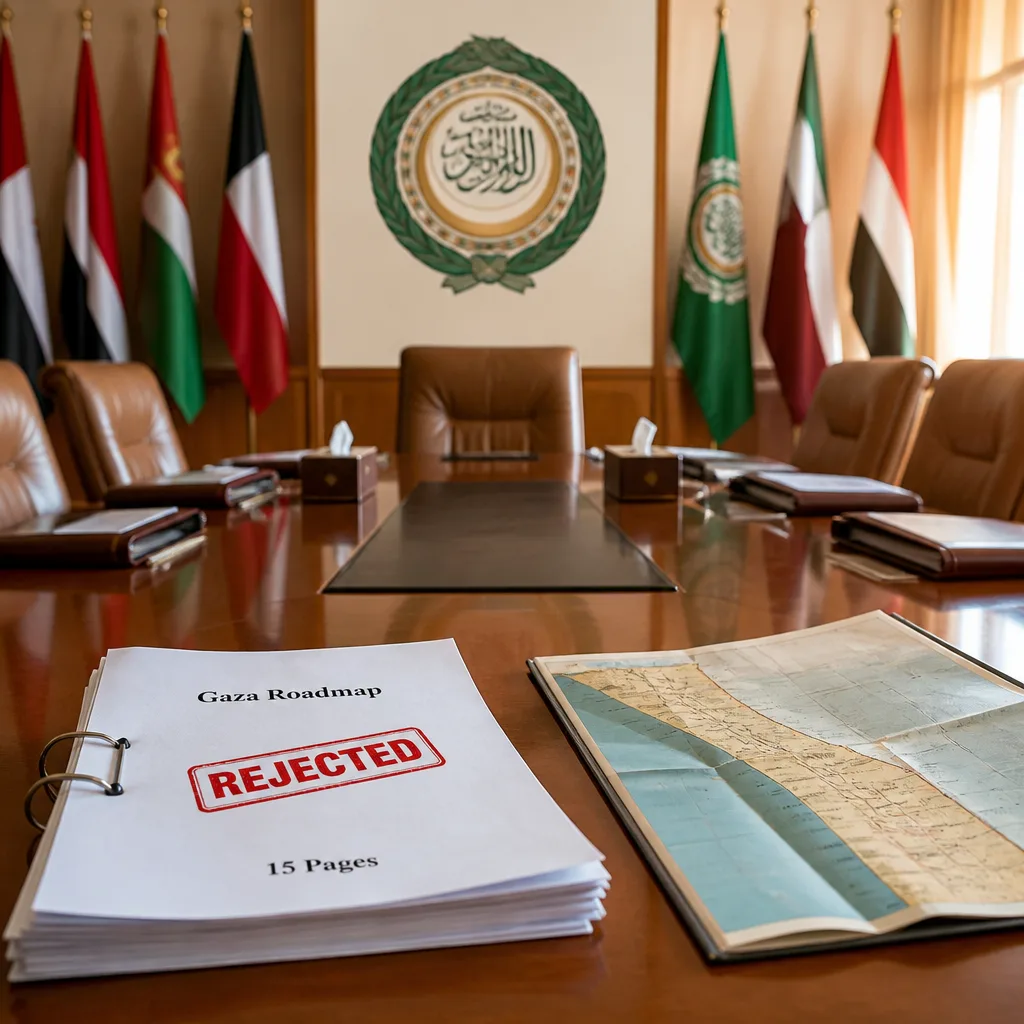
Cairo — The Arab League has accused Israel of disregarding the international consensus after Prime Minister Benjamin Netanyahu rejected a 15‑point roadmap for completing the implementation of a comprehensive peace plan in the Gaza Strip.
In a statement published on the League’s account on X, Secretary‑General Nabil Fahmy said the Israeli position “reflects disregard for international will and the references of the peace process” and warned it would undermine prospects for a peaceful settlement and the establishment of a just and comprehensive peace.
“The continued repeated Israeli violations of the ceasefire, including attacks targeting civilians and medical facilities in the Gaza Strip, constitute a flagrant breach of existing commitments and the requirements of relevant UN resolutions.”
What the League said
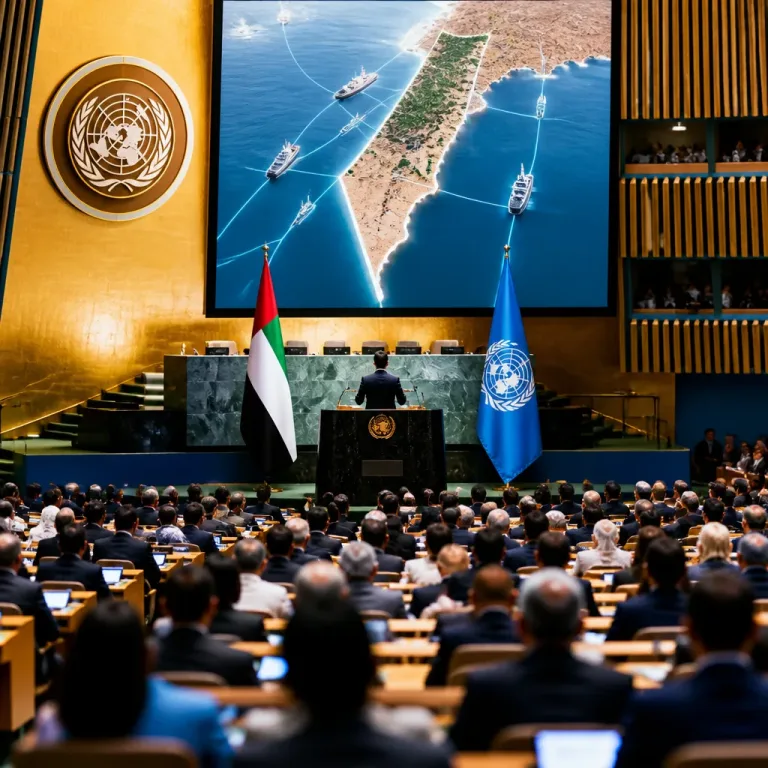
Fahmy reiterated the importance of fully implementing the comprehensive peace plan agreed at the Sharm El‑Sheikh Peace Summit in October 2025, and called on the international community — specifically naming US President Donald Trump — to ensure the roadmap is implemented in accordance with UN Security Council Resolution 2803 (2025).
The secretary‑general also welcomed a joint statement issued on 6 August by the foreign ministers of eight Arab and Islamic countries that condemned continued Israeli violations in Gaza as a serious breach of international law. Fahmy warned that attempts to impose new realities in Gaza and the West Bank or to expand control over Palestinian territories would jeopardise the prospects of establishing a Palestinian state and would contradict international law and relevant UN resolutions.
Immediate implications
The League’s remarks frame the rejection of the 15‑point roadmap as more than a bilateral disagreement: they portray it as a challenge to a multilateral process endorsed at Sharm El‑Sheikh and by the UN Security Council. The statement places renewed diplomatic pressure on Israel and appeals to global powers to uphold previously agreed commitments.
- Diplomatic pressure: The Arab League has explicitly asked the US and international community to press Israel to halt violations and meet its commitments under the roadmap and UNSC Resolution 2803 (2025).
- Legal and political stakes: The League characterised repeated ceasefire violations — including strikes on civilian and medical sites — as breaches of UN obligations.
- Statehood prospects: Fahmy warned that altering realities on the ground in Gaza and the West Bank would undermine the chances of establishing a Palestinian state.
Key timeline and references
The League’s statement ties together three focal points that shape the dispute:
| Event / Instrument | Date | Role |
|---|---|---|
| Sharm El‑Sheikh Peace Summit | October 2025 | Established the process the roadmap seeks to complete |
| Foreign ministers’ statement (eight Arab and Islamic states) | 6 August 2026 | Condemned continued violations in Gaza |
| UN Security Council Resolution 2803 | 2025 | Referenced as the legal basis for implementation |
Fahmy’s comments were published on the League’s social platform account and reflect the body’s continuing engagement with the diplomatic track that emerged from Sharm El‑Sheikh. The Arab League sees full implementation of the plan and adherence to UNSC Resolution 2803 as crucial to preserving the international framework for a negotiated settlement.
Broader context
The League’s public rebuke highlights the ongoing contest between diplomatic roadmaps and unilateral moves on the ground. By calling on the United States and the wider international community to act, the statement seeks to internationalise pressure on Israel to reverse course and comply with previously agreed commitments.
The dispute over the roadmap, and the League’s insistence on adherence to UN guidance, will shape diplomatic engagement in the region in the near term. For South Africa and other states that have consistently supported multilateral resolutions on Palestine, the League’s message reinforces calls for international mechanisms to uphold agreed‑upon frameworks and to protect civilians in Gaza.
The Arab League plans to continue monitoring developments and to press for measures that, it says, will preserve the prospects for a just and lasting peace.