The rollout of New York City’s luxury second‑home tax — a surcharge aimed at properties worth more than US$5 million — will proceed for now after the city successfully moved to appeal a lower court’s temporary restraining order.
Court pause overturned by appeal
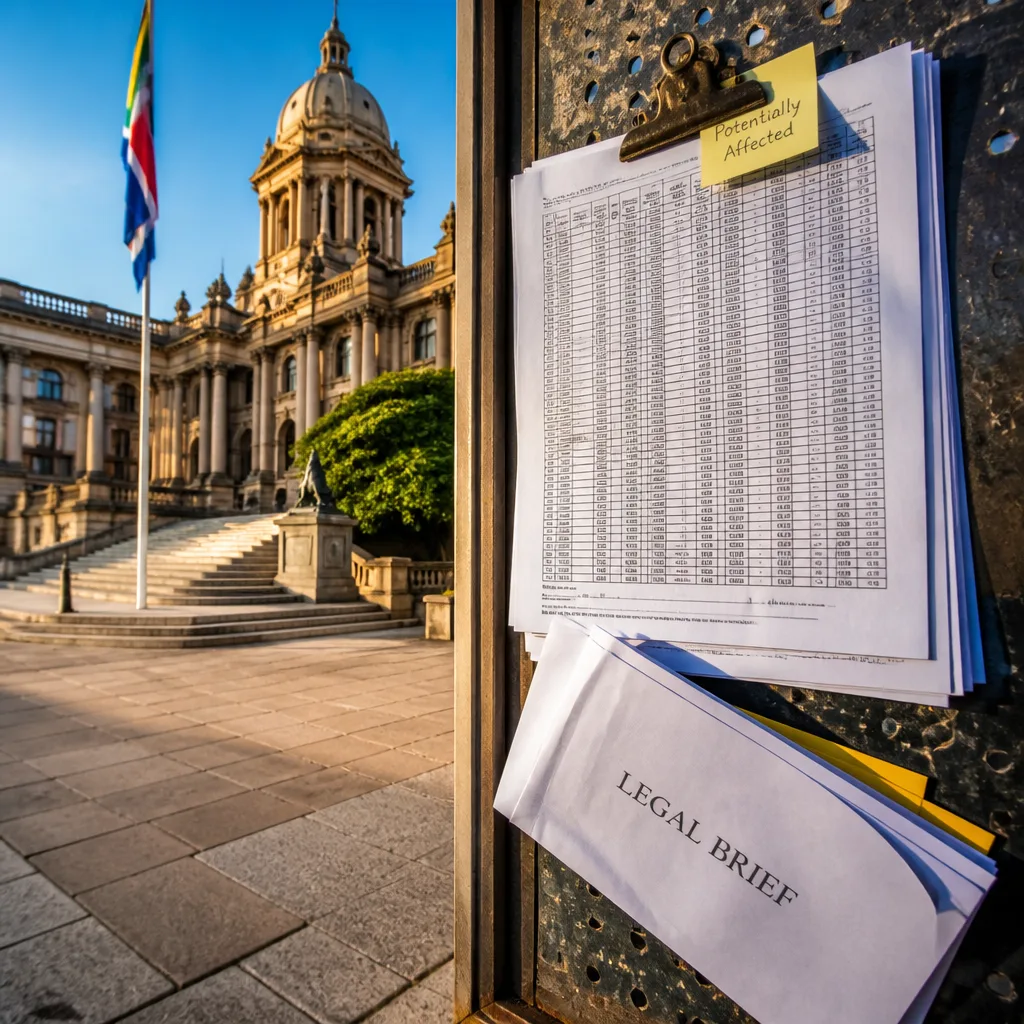
Staten Island Judge Wayne Ozzi initially issued a temporary block on the administration of the tax, which was introduced by Mayor Zohran Mamdani to help close a reported budget shortfall of US$500 million. The restraining order instructed the city to remove a public list of potentially affected properties and temporarily prevented further action, including enforcement of an exemption deadline.
However, the city filed an appeal and that appeal automatically triggered a stay of the judge’s order — meaning the temporary restraining order is not currently in effect and the city may continue with its rollout while the appellate court considers the dispute, NY1 reported.
Who is contesting the tax and why
A group of homeowners filed the lawsuit that led to the initial restraining order. They argued the administration had "arbitrarily and capriciously foisted onto New York City residents the burden of proving they are not subject to the surcharge," according to court papers cited in reporting. The homeowners are represented by lawyer Randy Mastro, a former first deputy mayor, who told the court they should not be forced to apply for an exemption because the city had failed to do sufficient work to identify liable properties.
“They should not have to be put through the burden and expense of having to apply for some exemption because the city didn't do its job,” the lawsuit said, according to reporting.
Mayor Mamdani said he was confident the tax would withstand judicial scrutiny and criticised the litigation as predictable. "You know, there are few things more certain in New York City than death, taxes and Randy Mastro filing a lawsuit against this administration," he said, according to NY1.
Deadlines, lists and administrative steps
The city had originally set a deadline of 21 August for owners to apply for an exemption; after criticism the deadline was extended to 18 September. Under the restrained order, the city was directed to take down its master list of potentially affected properties, but the appeal restored the city's ability to keep the list and continue with communications to homeowners while the case proceeds.
| Action | Date | Effect |
|---|---|---|
| Original exemption deadline | 21 August | Extended after criticism |
| Extended exemption deadline | 18 September | New deadline set by city |
| Temporary restraining order | Issued by Judge Ozzi | Paused enforcement and required list removal |
| Appeal filed | City appealed immediately | Automatic stay on restraining order; rollout continues |
- Who benefits: The city administration, which can continue to implement the surcharge and pursue revenue to address the deficit.
- Who pays: Owners of second homes in the five boroughs valued above US$5 million, unless they successfully obtain exemptions.
- What’s at stake: The legal interpretation of how the city must administer the tax and the procedural burden placed on homeowners seeking exemptions.
The surcharge is explicitly targeted at high‑value second residences — commonly referred to as "pied‑à‑terre" taxes — and is meant to capture revenue from non‑primary homes held by wealthier households. Critics argue the administrative approach may sweep in some full‑time residents who must prove their primary residency; the city says exemptions and appeals processes are in place.
Broader political and fiscal consequences
Beyond the immediate courtroom contest, the episode underscores familiar political dynamics in municipal finance: an administration seeking new revenue faces litigation from well‑resourced opponents, while critics frame administrative demands as burdensome for ordinary residents. For the Mamdani administration, a successful defence would preserve a revenue stream designed to close a significant shortfall. For the challengers, a victory could force the city to adopt a more targeted or administratively lighter approach.
The appellate court will now determine whether the city may continue to apply the surcharge while the substantive legal challenge proceeds. Until that ruling, the tax remains in effect administratively and the legal fight will continue to play out in the courts.