
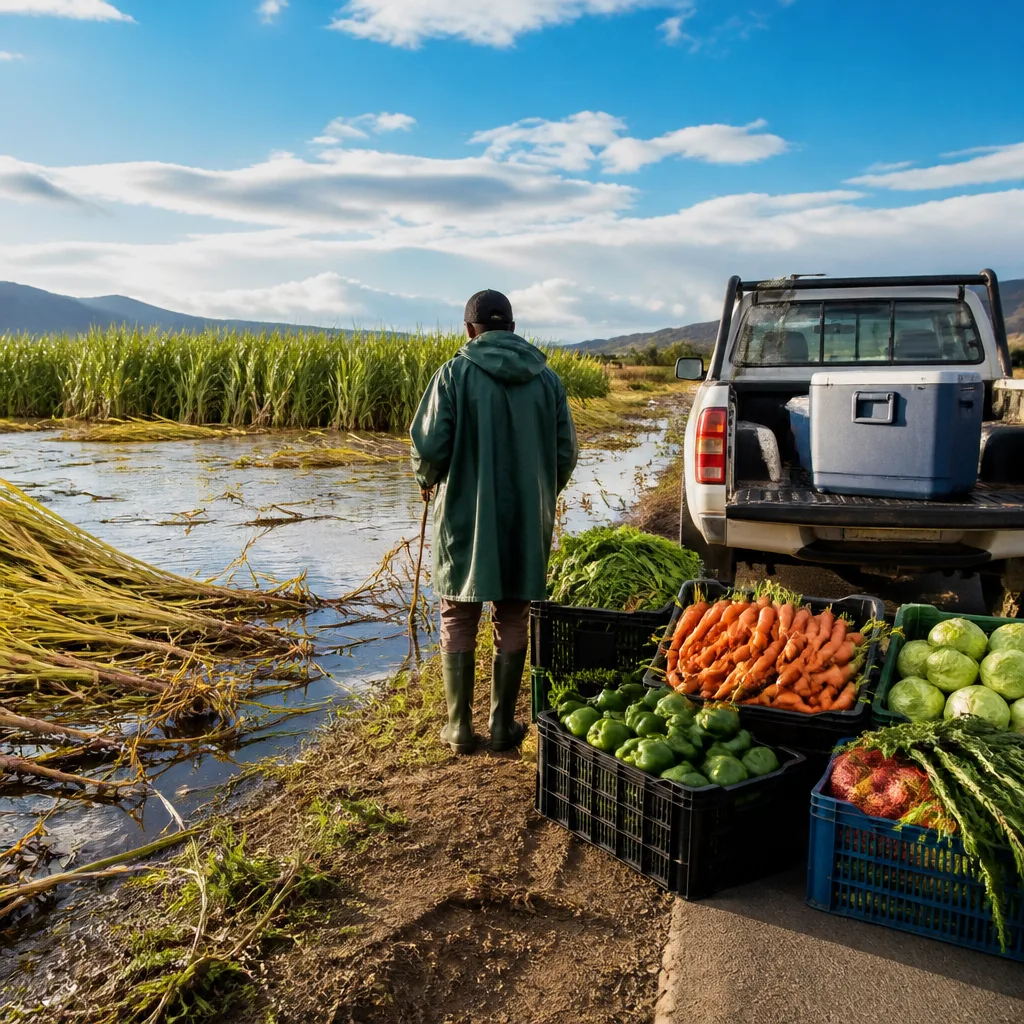
Horticulture and field crops have delivered larger harvests in 2026, helping push food price inflation down to 0.6% in July, the lowest level since 2010. But farmers continue to face a mix of pressures: severe seasonal floods, weak international commodity prices, rising input costs and animal disease outbreaks.
Overview of the season
According to commentary provided by an industry economist at the Citrus Research International symposium, the South African farming sector is experiencing a year of mixed fortunes similar to 2025. Producers of fruits, vegetables and many field crops reported ample harvests and higher volumes compared with last year. That supply boost has helped ease food inflation and delivered relief to households.
"I was scheduled to be at the Citrus Research International (CRI) symposium at the Drakensberg today, August 24, 2026, to deliver remarks about the economic conditions of South Africa’s farming sector. But the tail end of the bad seasonal flu has prevented that. I provided input virtually."
Yet the commentator warned the season has not been without significant setbacks. Severe weather events struck early in the year with floods in north-eastern regions, followed by destructive flooding in the Eastern and Western Cape. Those events imposed substantial costs on affected farming businesses.
Where the pressure lies
Key strains on the sector include:
- Commodity price weakness — international sugar and wheat prices have been low, increasing import competition and depressing farmgate returns for domestic growers who entered the season with higher input costs.
- Severe weather — floods in multiple regions imposed direct losses and recovery costs on producers and infrastructure.
- Animal disease — the cattle sector continues to battle foot-and-mouth disease, though vaccination programmes are making progress; pork producers were affected by African swine fever earlier in the year.
- Trade and tariff pressure — affected industries such as wheat and sugarcane farming are calling for increases in import tariffs to shield domestic production from cheaper imports.
Despite these headwinds, the field crops and horticulture subsectors have generally performed well in volume terms. The commentary linked the larger harvests directly to lower food price inflation, noting the benefit to consumers.
| Subsector | 2026 performance (reported) | Main challenges |
|---|---|---|
| Horticulture (fruits & vegetables) | Higher volumes, positive | Flooding in some regions |
| Field crops (wheat, sugarcane) | Broadly positive volumes but margin pressure | Low international prices, higher input costs, calls for tariff relief |
| Livestock (cattle, pork) | Continued strain | Foot-and-mouth disease; African swine fever impacts earlier in year |
Policy and market implications
The combination of lower international commodity prices and higher domestic input costs is fuelling calls from some farmers for trade protection measures such as raised import tariffs for wheat and sugarcane. Any tariff changes would feed into broader discussions about consumer prices, food security and trade relations.
At the same time, the reduction in food price inflation to 0.6% in July provides short-term relief to households. Policymakers face a balancing act: supporting vulnerable producers while preserving consumer affordability.
Animal disease control remains critical for market access and production stability. Progress on vaccination against foot-and-mouth disease was reported, but ongoing surveillance and biosecurity will be needed to prevent further outbreaks and support recovery in the cattle sector.
As the season progresses, attention will focus on how government, industry bodies and exporters respond to persistent commodity price weakness, the aftermath of flooding in hard-hit areas, and demands for tariff adjustments. Those responses will determine whether the current mixed results translate into sustainable improvement for South Africa's farming economy or renewed vulnerability for producers.














