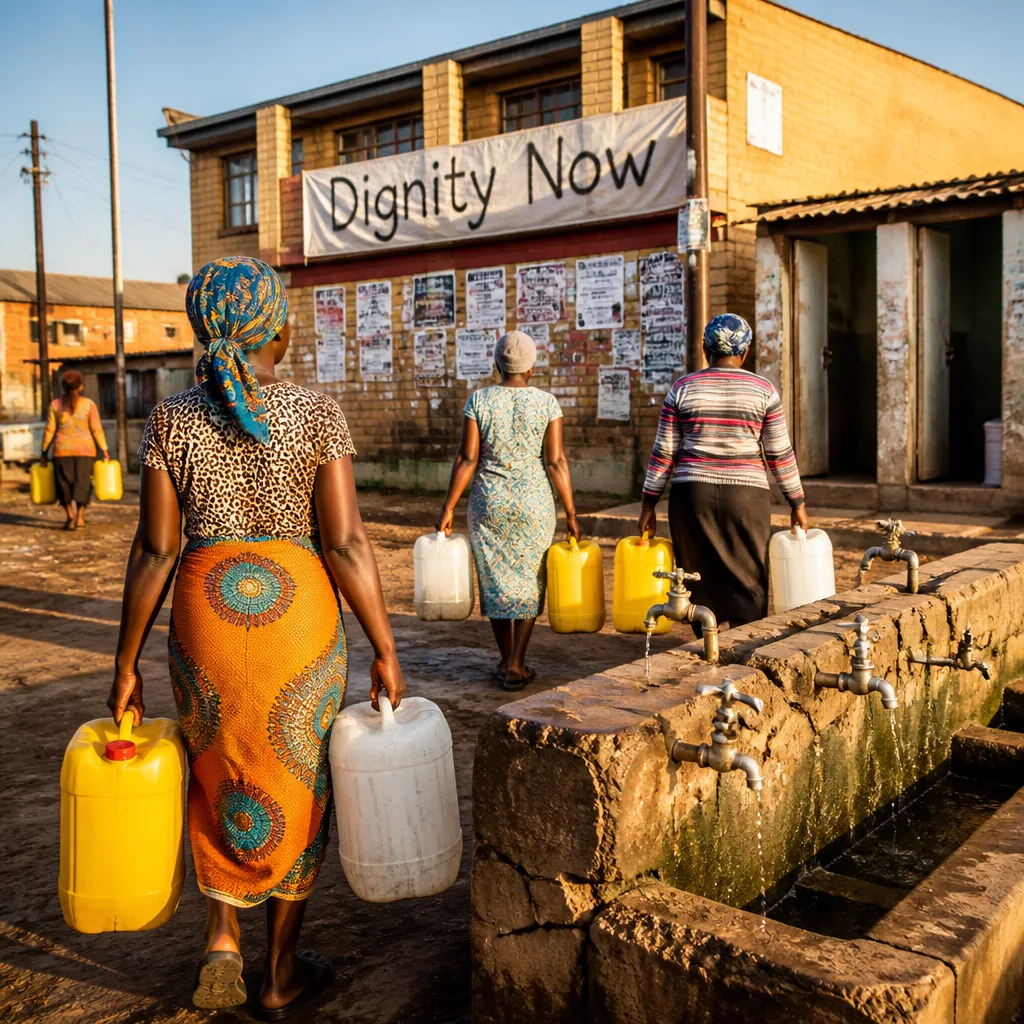
Amnesty International South Africa has urged urgent government action after finding that millions of women continue to confront violence, poverty and inadequate basic services, saying the country's constitutional promises of safety and dignity remain unmet for large numbers of women and girls.
High rates of sexual violence, persistent service gaps
The organisation highlighted that 9,800 rape cases were reported between January and March 2026. It also pointed to enduring deficits in access to reliable water and basic sanitation, affecting millions of households and exacerbating daily insecurity for women.
| Indicator | Reported figure |
|---|---|
| Rape reports (Jan–Mar 2026) | 9,800 |
| Households without reliable water/sanitation | Millions (unspecified) |
Amnesty's assessment, released as the country marks Women’s Day, calls on the State to move beyond rhetorical commitments and deliver measurable improvements to the conditions that leave women vulnerable. The group identified accountability failures, poor service delivery and unresolved inequalities as central factors sustaining risk for women across the country.
“The constitutional rights to dignity, safety, and basic services remain unfulfilled for millions of women and girls. Women should not have to navigate daily trade‑offs between their safety, dignity, and basic needs,”
The statement, attributed to Amnesty's local office, framed the shortfalls as structural: the interplay of economic exclusion, inadequate infrastructure and weak institutional responses to gender‑based violence (GBV) that together prevent many women from enjoying constitutional protections in practice.
What Amnesty wants from government
Amnesty recommended a package of measures intended to improve outcomes for women and girls. The organisation said the State must:
- Strengthen accountability mechanisms across policing and service departments;
- Improve the quality and reach of basic services such as water and sanitation;
- Address socio‑economic inequalities that disproportionately affect women.
The group emphasised that meaningful change requires the translation of policy commitments into concrete improvements at community level. Without faster progress on these fronts, Amnesty warned, constitutional guarantees of dignity and safety would remain aspirational for many South African women.
Context and implications for policy
The figures on sexual violence come amid a broader national debate on GBV and the effectiveness of state responses. South Africa’s Constitution enshrines rights to dignity and security, but advocacy groups have frequently criticised implementation gaps in policing, the criminal justice system, social services and municipal infrastructure delivery.
Persistent shortages in reliable water and sanitation amplify vulnerability: where households lack safe facilities, women and girls are more exposed to opportunistic violence when they collect water or use communal ablution points. Poverty compounds the problem, forcing many to choose between basic needs and personal safety.
The Amnesty statement is likely to sharpen calls for cross‑government coordination and targeted investment ahead of national and provincial budget decisions. Civil society groups and watchdogs will be watching whether the State outlines concrete timelines and funding to address the combined crises of GBV and failing municipal services.
As South Africa reflects on Women’s Day, Amnesty International South Africa framed the moment as a test of whether commitments will be met with sustained, measurable action that improves daily life for women nationwide.