President Donald Trump said Monday that he will press for financial compensation from Iran as part of any negotiations to end the ongoing conflict, underscoring a renewed emphasis on economic pressure as a primary tool. The announcement comes amid reports that the White House undertook a secretive departure from last month’s NATO summit after receiving an assassination threat, and as violence in the Middle East escalates.
Sanctions and compensation become centerpiece
Administration officials framed the approach as leveraging the country’s economic tools to force Tehran to the bargaining table. Trump asserted that, because Iran is seeking restitution in any peace talks, the United States should demand similar payments or concessions, a stance he described publicly Monday.
“Since Iran is seeking compensation as part of any peace talks, I’ll demand the same,”
Analysts note that while sanctions can exert sustained pressure on Tehran’s economy, they generally take time to produce diplomatic leverage and are not an immediate mechanism to stop fighting on the battlefield.
Secretive exit from NATO summit raises questions
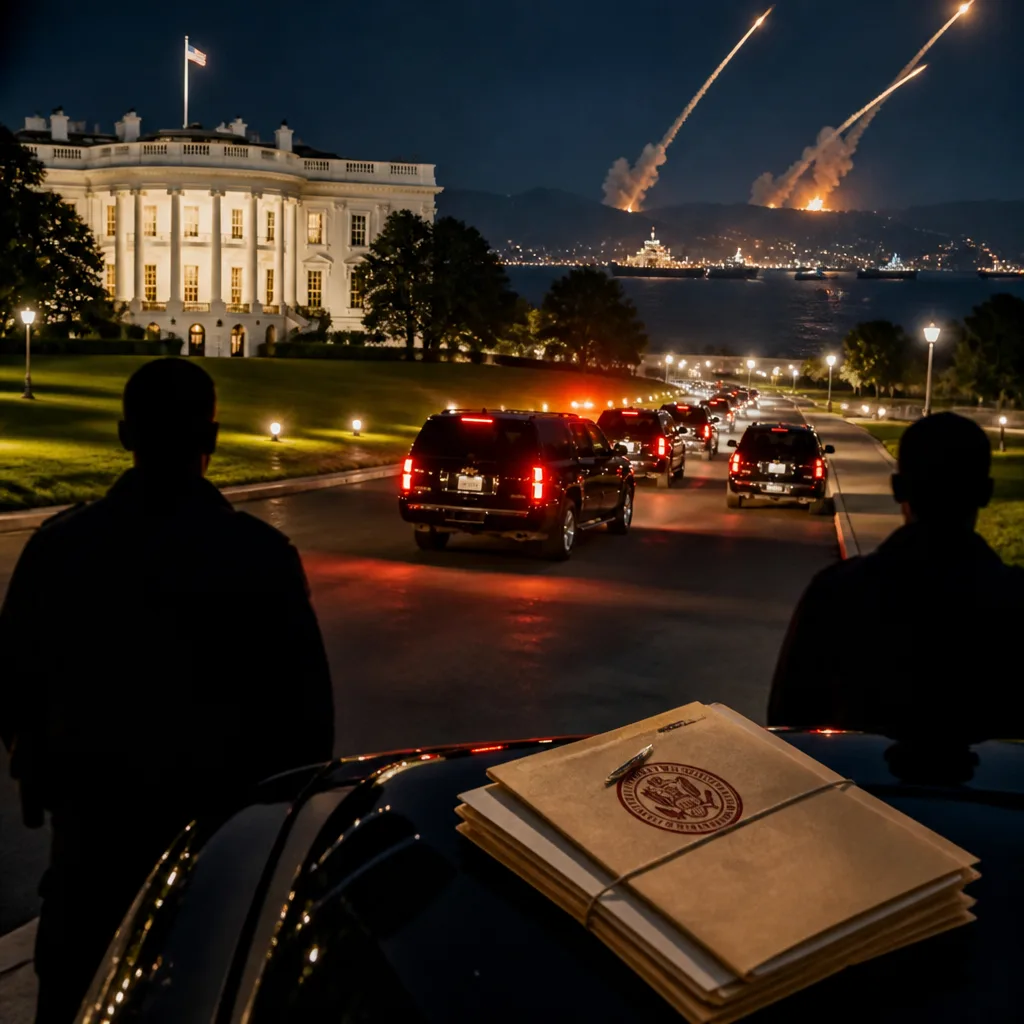
Separately, The Washington Post reported that, prompted by an assassination threat from Iran, the White House arranged a clandestine move that allowed the president to leave last month’s NATO summit in Ankara, Turkey, on an alternate military aircraft while creating the appearance that he remained with the press corps on Air Force One. The Post’s account said the maneuver was intended to conceal the president’s departure from adversaries and the public.
The reported operation has drawn attention from national security observers and raises questions about the communication and risk-management choices made by the administration when confronting external threats to the president.
Regional violence and strategic consequences
Meanwhile, renewed attacks attributed to Iranian-backed Houthi forces have threatened shipping lanes and increased regional tensions. The Houthis reportedly struck the Yemeni port city of Mokha and parts of the central province of Marib with missiles and drones, killing several people, according to statements from Yemeni military sources. The escalation has fueled concerns about broader disruption to commercial sea traffic and the potential for wider confrontation.
- Sanctions focus: White House emphasizes economic demands — including compensation — as leverage in peace talks with Iran.
- Security contingency: Reported covert departure from NATO summit followed an alleged assassination threat.
- Regional attacks: Houthi strikes in Yemen threaten shipping and raise risks of escalation.
U.S. officials have used sanctions for decades to try to shape Iranian behavior, but experts say their effectiveness often depends on international coordination and time. The administration’s renewed focus on sanctions and monetary compensation indicates a tactical pivot from kinetic operations or diplomatic initiatives that had been discussed publicly earlier.
How the president’s stated demands will be received by international partners and by Tehran remains unclear. Successful pressure campaigns typically require sustained multilateral cooperation, and some allies have been cautious about measures that could further destabilize the region or hamper humanitarian access.
For now, the administration appears to be betting that concentrated financial pressure, coupled with defensive measures to protect U.S. interests and personnel, can create negotiating leverage. Critics argue that sanctions alone are unlikely to deliver immediate conflict cessation and could deepen humanitarian strains.
The combination of an assertive sanctions posture, opaque security maneuvers and intensified regional attacks has intensified scrutiny of how the United States is managing both the safety of its leadership and its strategy for ending the conflict.