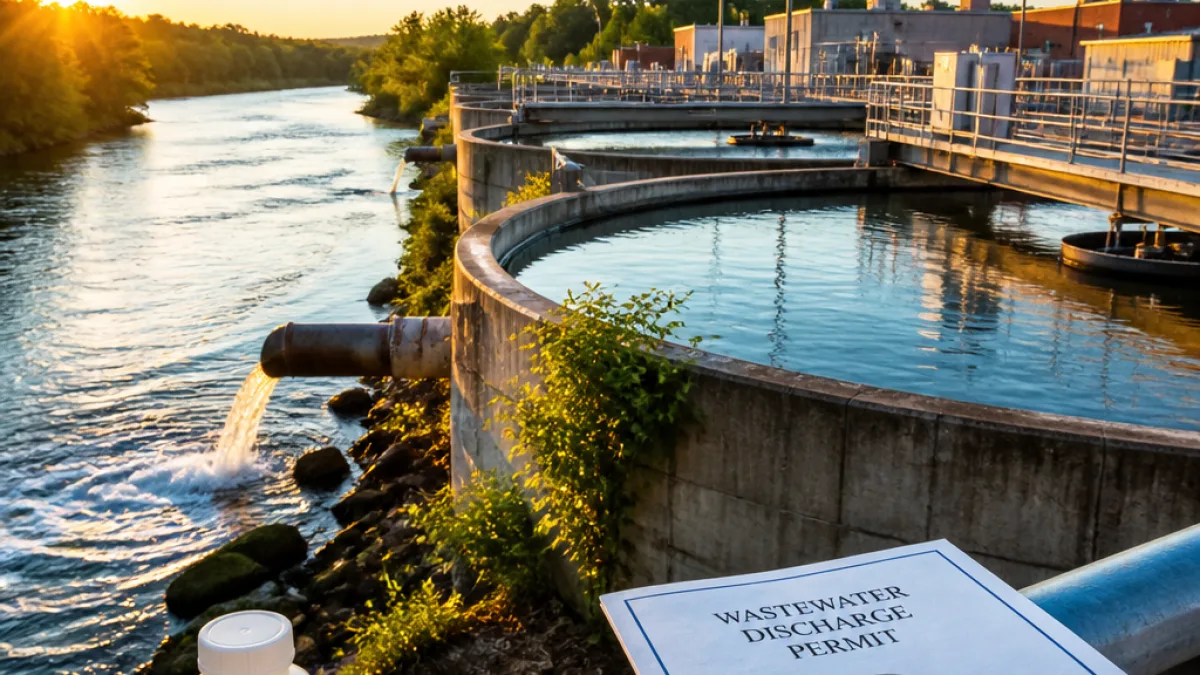
The Environmental Appeals Board has returned Manchester’s wastewater treatment plant permit to the Environmental Protection Agency for further analysis of per- and polyfluoroalkyl substances, known as PFAS or “forever chemicals.” The decision, issued Wednesday, does not void the existing permit but requires the agency to determine whether PFAS discharges from the city’s treatment plant cause or contribute to violations of the Merrimack River’s water-quality standards.
What the ruling requires
The board found that in its initial review the EPA did not fully analyze how PFAS from the Manchester plant relate to broader state water-quality protections. Under the Clean Water Act, federal permits must consider both numeric and narrative state standards when assessing whether a discharge will threaten a water body’s designated uses.
New Hampshire law includes narrative standards for the Merrimack River that call for supporting a “population of fish free from toxicants and pathogens that could pose a human health risk to consumers.” The appeals board said the EPA could not ignore these narrative protections simply because state numeric PFAS limits were still being developed or considered.
Stakeholders and regional impacts
The challenge to Manchester’s permit was brought by the Conservation Law Foundation, which argued the EPA’s initial permit review failed to meet Clean Water Act requirements for PFAS. Jillian Aicher, staff attorney at the Conservation Law Foundation, said the decision was necessary because the Merrimack is a drinking-water source for hundreds of thousands of people.
“700,000 people rely on the Merrimack as a source of drinking water and that includes municipalities in New Hampshire, like Nashua, and also ones in northern Massachusetts.”
The ruling highlights the river’s role beyond Manchester. Municipalities downstream, including Nashua and communities in northern Massachusetts, draw drinking water from the Merrimack and could be affected if PFAS levels in the river are shown to be elevated due to permitted discharges.
What’s next for the permit and the EPA
The appeals board’s order sends the permit back to the EPA for a fuller analysis of PFAS contributions from the Manchester wastewater treatment plant. The decision did not prescribe specific discharge limits or immediately change the terms of the existing permit; instead it requires the agency to evaluate whether PFAS concentrations linked to the plant cause or contribute to violations of the river’s protected uses.
- Permit status: Returned to EPA for additional review, not vacated.
- Regulatory focus: Determination whether PFAS discharges cause or contribute to water-quality violations.
- Public impact: Potential implications for drinking-water supplies and fish safety in the Merrimack watershed.
State numeric standards can provide specific contaminant limits expressed in parts per trillion, but the appeals board emphasized the need to consider narrative standards as well — standards that protect uses such as fishing and safe consumption of aquatic life. The board’s ruling means the EPA must address how Manchester’s discharges interact with those narrative protections, even as numeric PFAS criteria are still being debated or developed at the state level.
| Entity | Role |
|---|---|
| Environmental Appeals Board | Ordered EPA to re-evaluate permit regarding PFAS impacts |
| U.S. Environmental Protection Agency | Must conduct additional analysis and reassess permit |
| Conservation Law Foundation | Challenged the permit in federal appeals, citing PFAS concerns |
For Manchester residents, the ruling underscores continuing scrutiny of how municipal wastewater is managed and the potential for regulatory adjustments based on PFAS science and legal standards. Officials in Manchester and the EPA will now need to complete the analysis the board found lacking, which could influence future permit conditions and how PFAS discharges are controlled in the Merrimack River watershed.
The decision also signals broader implications for other permits nationwide where numeric limits are incomplete but narrative protections apply. As federal and state agencies continue to refine PFAS criteria, nearby communities will be watching the EPA’s next steps and any resulting changes to monitoring, limits or mitigation tied to the Manchester wastewater treatment plant.