The Civil Aviation Administration (CAA) in Taiwan has imposed a total of NT$16 million (about US$505,849) in fines across 72 cases for illegal drone operations during last year and the first half of this year, the agency said, signalling intensified enforcement as unmanned aircraft continue to pose safety and security risks.
Where the breaches occurred
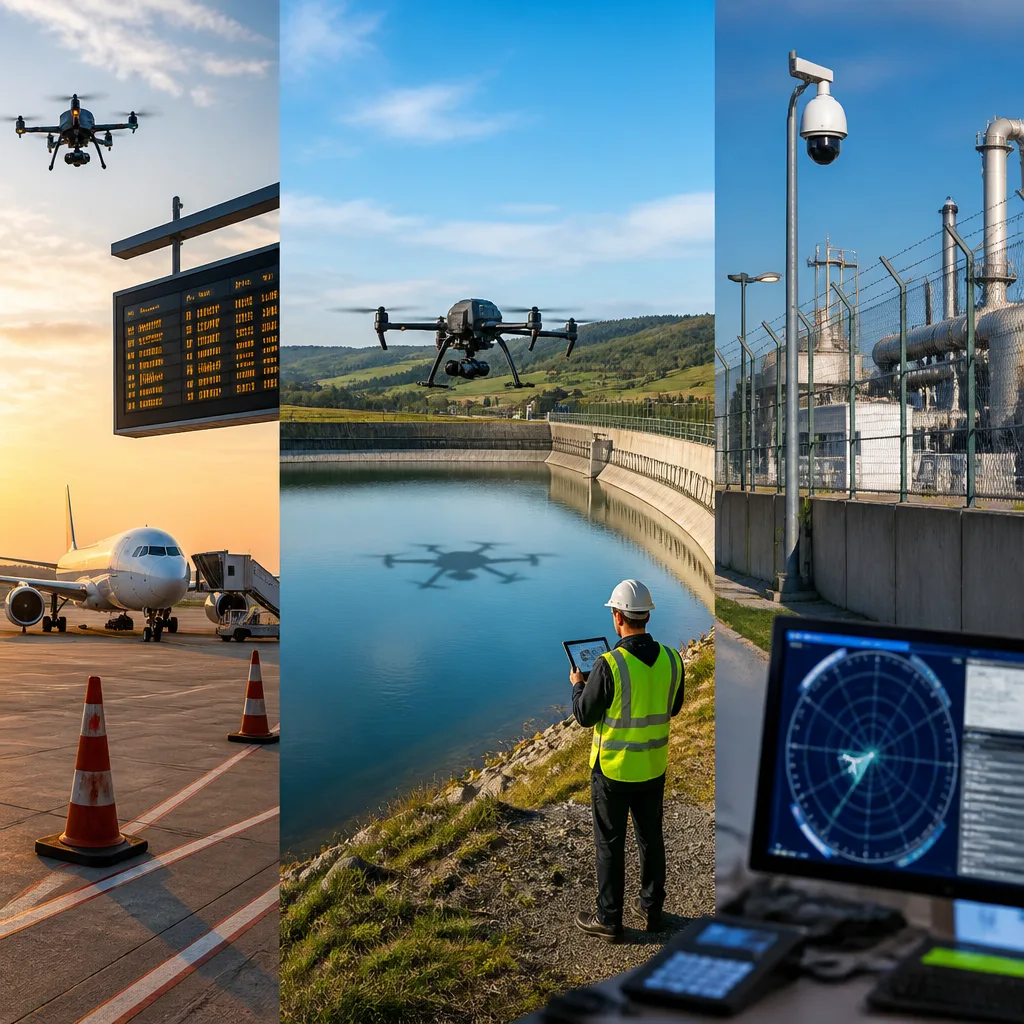
CAA figures show the bulk of infringements took place in locations where low-altitude, unregulated flight poses acute hazards: airports, reservoirs and high-technology industrial zones. The agency recorded 47 fines last year and a further 25 in the first half of this year.
| Category | Number of cases |
|---|---|
| Airport restricted airspace | 24 |
| Reservoirs | 19 |
| Science parks | 15 |
| Other restricted areas (eg stations, power plants) | 14 |
| Total | 72 |
Authorities pointed to several incidents that underline the dangers. In June, a high-profile social media figure was fined NT$330,000 after operating a drone near a nuclear power plant and failing to display a registration number. On another occasion, a drone-detection sensor was triggered in the controlled zone around Taiwan Taoyuan International Airport, forcing both north and south runways to suspend operations for about 10 minutes and disrupting nine flights.
Expert warnings: why restricted zones matter
Experts consulted by the CAA explained the rationale for strict controls. Aircraft are most vulnerable during take-off and landing when speeds and altitudes increase the chance of a catastrophic interaction with a small unmanned aircraft. A drone ingested into a jet engine or colliding with an airframe could cause serious damage to a civil aircraft.
"Commercial aircraft travel at high speeds and low altitudes during takeoff and landing, and a drone being sucked into an engine or colliding with an aircraft could cause a major disaster,"
That assessment came from a university aviation specialist who also noted why reservoirs and power plants are protected from recreational drone flight: a crashing drone could damage infrastructure or contaminate water supplies, producing secondary hazards for public health and operations.
Science parks present a different set of risks. As centres of advanced industry and research they can hold sensitive intellectual property and delicate equipment that might be exposed by unauthorised aerial photography or damaged by an accident. A drone strike in such an environment could injure staff and interrupt industrial processes.
Enforcement and the policy landscape
The CAA’s fines indicate a sharpened enforcement posture but also illustrate the range of public-policy issues that drones raise: air safety, critical-infrastructure protection and privacy or trade-secret exposure. The agency’s data — broken down by location and timing — helps map where education and enforcement should be focused.
- Air safety: incursions near airports risk collision with manned aircraft at critical phases of flight.
- Critical infrastructure: reservoirs and power plants are vulnerable to contamination and equipment damage.
- Commercial confidentiality: science parks and research centres risk industrial espionage via aerial photography.
The incidents also underline the technical measures now in use around airports, such as drone-detection sensors, which can rapidly trigger operational responses. While those systems can reduce risk, they can also create knock-on disruption when they detect a device that may later be shown to pose limited or no danger — a calibration challenge for air-traffic managers.
As recreational drone ownership grows worldwide, the balance between encouraging legitimate, useful applications and preventing hazardous or intrusive flights remains a policy and enforcement challenge. Taiwan’s recent fines are a reminder that, in congested and sensitive airspace, the margin for error is small and regulators are prepared to use financial penalties to deter risky behaviour.