More than 3 million tonnes of clay excavated from central London during construction of the Crossrail tunnels — now operating as the Elizabeth line — were shipped to Wallasea Island in Essex and used to transform former arable fields into a new tidal nature reserve.
From tunnelling spoil to intertidal habitat
On the Dengie Peninsula, where the River Crouch and the River Roach meet the North Sea, a stretch of land that once grew wheat has been remade as mudflats, saltmarsh and shallow lagoons. The site now forms a 900-hectare reserve managed by the Royal Society for the Protection of Birds (RSPB).
Engineers and conservationists reached an arrangement in 2008 to use the excavated material to recreate intertidal habitat on Wallasea. The original technical plan envisaged as much as 4.6 million tonnes of spoil being available for the project, but a proportion of the excavated clay proved too wet to handle and transport safely. The amount actually delivered to Wallasea amounted to just over 3 million tonnes, a figure corroborated by the Institution of Civil Engineers and press accounts of the Crossrail programme.
Logistics on the scale of an ecosystem
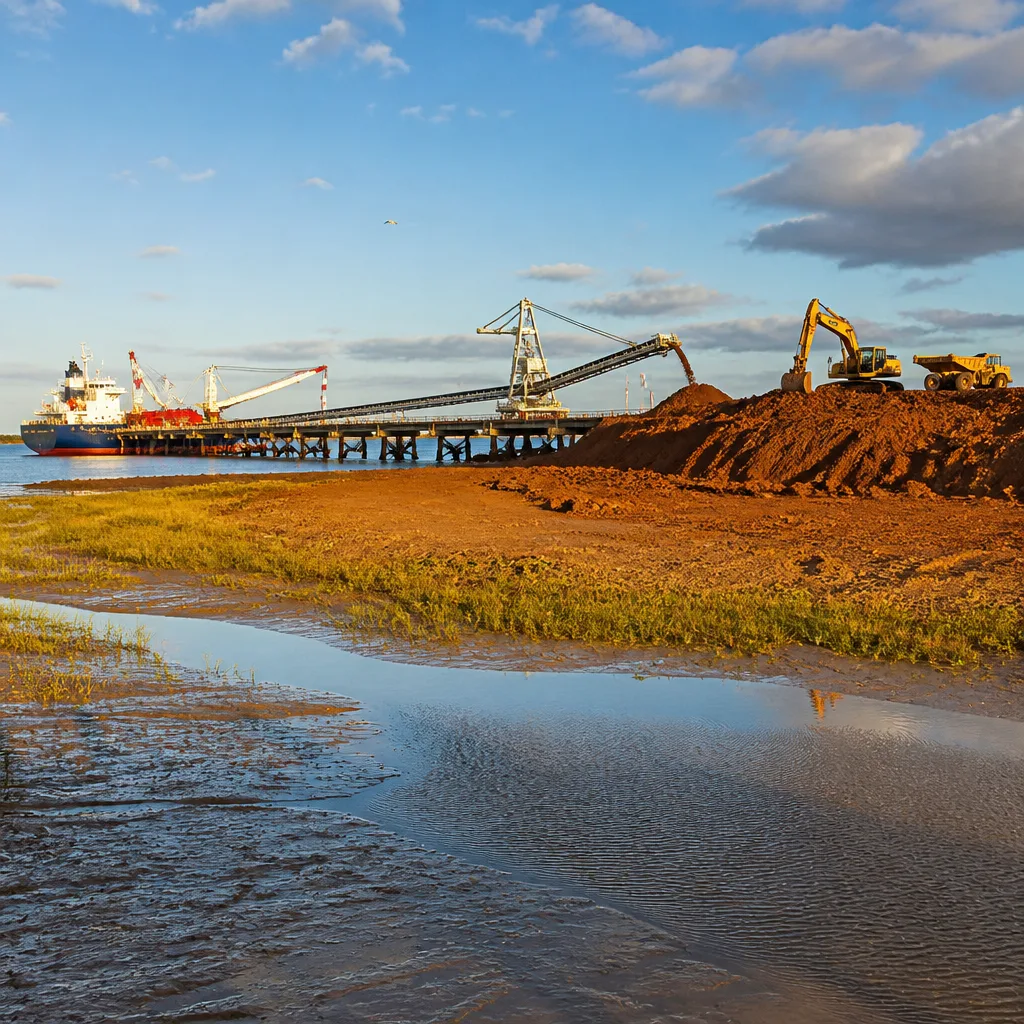
Moving millions of tonnes of earth from beneath London to an estuary more than 50 miles away was an engineering and logistical undertaking in its own right. Transfer sites were set up in Kent and east London — including a consolidation point at Northfleet on the Thames — where spoil was loaded onto coastal cargo vessels.
These 90-metre coasters, each with a carrying capacity of roughly 2,500 tonnes, followed a route around the Kent and Essex coastline to a bespoke jetty at Wallasea, completed in August 2012. A conveyor system then carried the clay ashore where it was used to reprofile the low-lying farmland and create a mosaic of new intertidal habitats.
- Material delivered: just over 3 million tonnes of London clay
- Reserve area: 900 hectares of recreated intertidal habitat
- Vessels used: 90-metre coasters of ~2,500 tonnes capacity
- Project partners: Crossrail engineers, the RSPB and civil engineering bodies
| Item | Figure |
|---|---|
| Planned spoil for Wallasea | Up to 4.6 million tonnes |
| Delivered spoil | Just over 3 million tonnes |
| Crossrail spoil in total | More than 6 million tonnes |
| Reserve area | 900 hectares |
Why it matters
The Wallasea work converts what had been failing arable fields into coastal habitat with benefits for biodiversity and flood management. Restored saltmarsh and mudflat provide feeding and roosting areas for migratory and overwintering birds, and intertidal areas can also absorb storm surge energy — a natural complement to engineered flood defences.
From an engineering perspective, the operation demonstrates how spoil management from large urban projects can be reframed as a resource rather than waste. Crossrail excavated more than 6 million tonnes of material in total; finding constructive uses for a portion of that volume minimised disposal needs and linked urban construction to coastal restoration.
The scheme highlights the detailed cross-sector planning required to make such transfers feasible: ground conditions at source can limit the quantity of material that is transportable, specialist transfer and consolidation facilities are needed, and coastal receiving sites must be prepared to accept and place material so that designed habitats form reliably.
As major infrastructure programmes continue across the UK, the Wallasea example offers a working model for the environmental reuse of excavated material — a practical lesson in turning the logistical headache of tunnelling spoil into an opportunity for nature recovery.