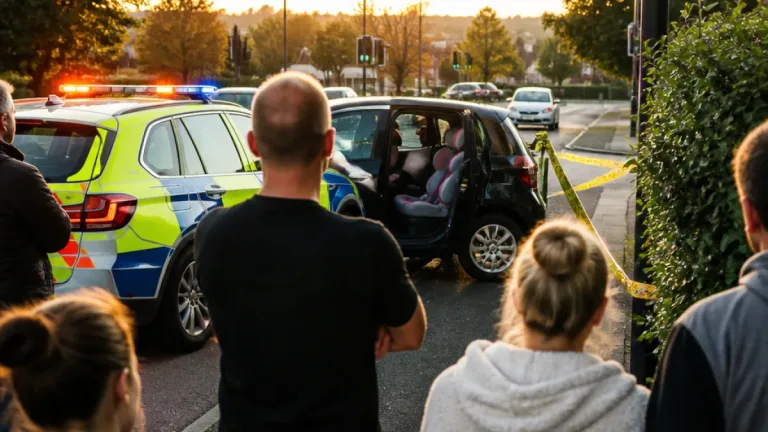
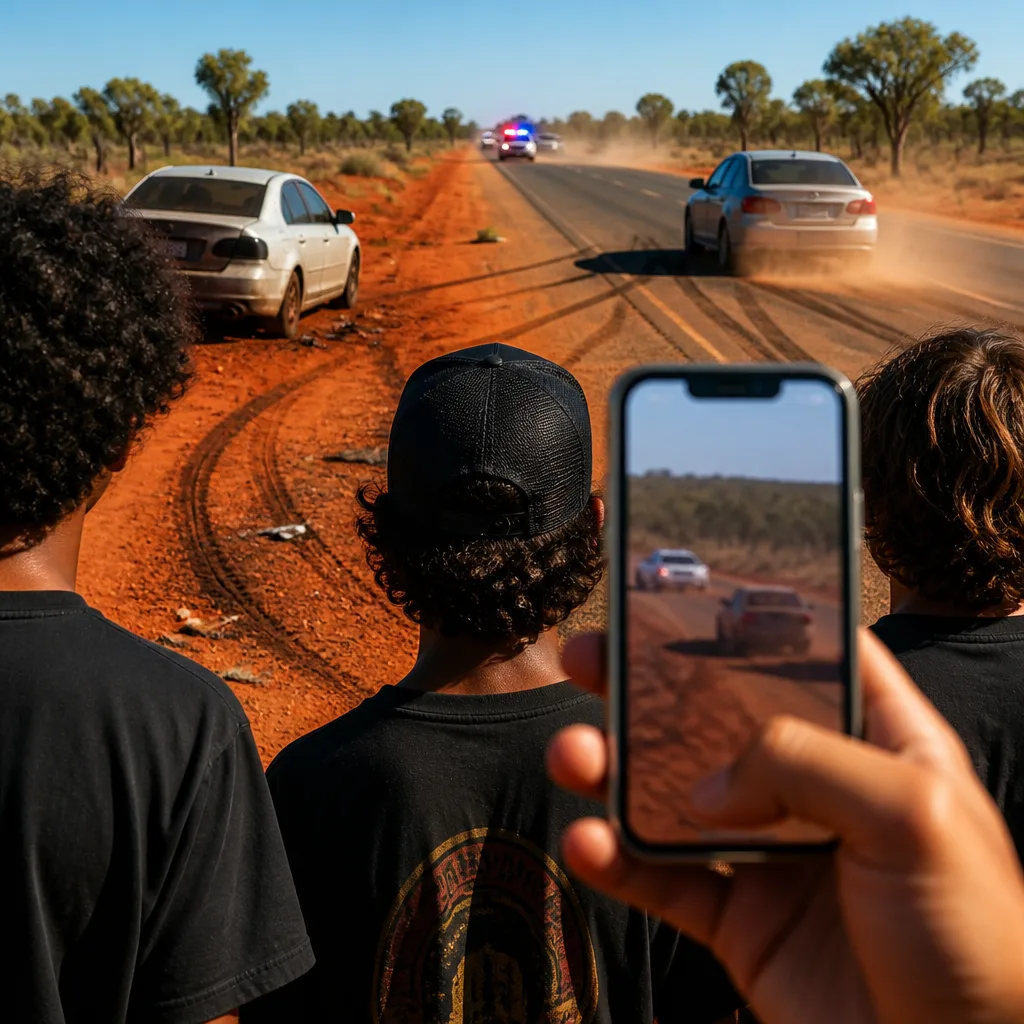
Videos circulating on social media that appear to show young people in the Kimberley joy‑riding in allegedly stolen cars and pursuing police vehicles are continuing to attract attention, even as the Western Australian government’s proposed legal response remains before Parliament.
Online notoriety and local distress
Anonymous accounts on platforms such as TikTok have posted footage from around Kununurra, about 3,060km north‑east of Perth, that purport to show children driving stolen vehicles and chasing police. The clips have been widely shared, drawing both national and international interest and prompting concern among local officials and law‑enforcement agencies.
David Menzel, president of the Shire of Wyndham East Kimberley, described a harmful dynamic between social media exposure and community behaviour. He said that while the platforms were not the root cause, they appeared to be amplifying dangerous conduct.
“I don't think it's the cause of it, but it certainly encourages it, so nothing good's coming out of it, that's for sure,”
The videos have revived debate about how to deter online boasting about criminal acts and how best to protect communities from the direct risks posed by vehicle offending and pursuits.
Legal response: ‘post‑and‑boast’ proposal
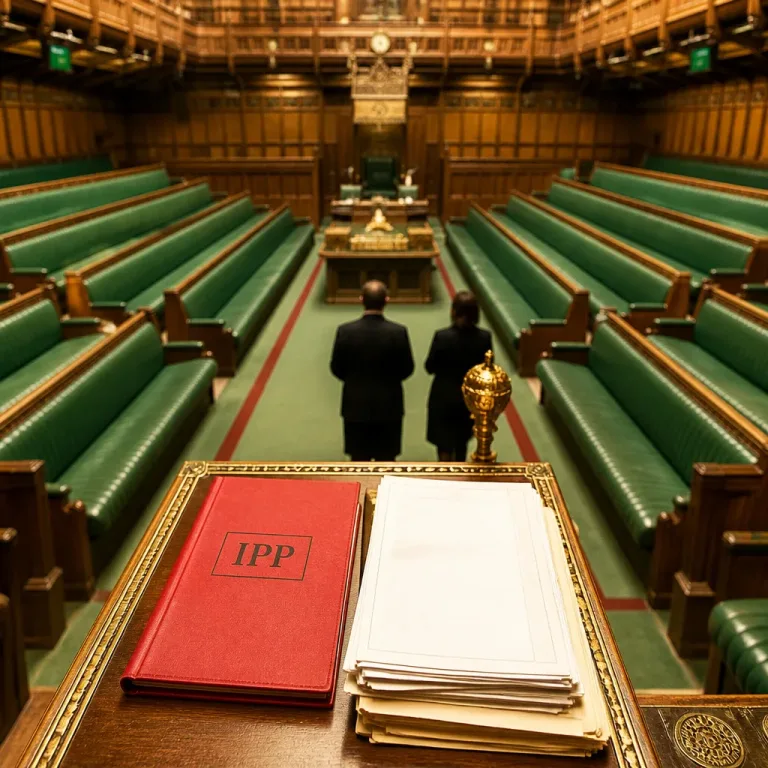
The WA government has drafted measures commonly described as ‘post‑and‑boast’ laws, which would amend the Criminal Code to prohibit publishing content that boasts about, glorifies or encourages criminal behaviour. Proposals include penalties of up to three years’ imprisonment for those convicted under the new offence — a sanction intended to target users who deliberately seek notoriety by posting about offending.
However, the legislation has not yet passed through Parliament and remains subject to scrutiny. The delay has left authorities and communities without the specific statutory tool the government says is required to address the phenomenon directly.
Experts urge broader interventions
Criminologists and local officials caution that simply creating a new offence — or imposing harsher sentences — may not resolve the underlying drivers of the behaviour. Joel McGregor, who studies youth offending and media effects, said social platforms offer young people a scale of audiences that was previously unavailable, and that the reward of recognition can be a powerful motivator.
“Young people have been given a platform where they are posting to thousands more people than they ever would have before these platforms existed,”
Mr McGregor warned that media coverage itself can feed the desire for notoriety and that punitive measures alone are unlikely to remove the appeal of posting. He urged policymakers to consider targeted interventions that address the reasons young people engage in risky or criminal behaviour rather than relying solely on criminal sanctions.
- Local impacts: Community leaders report increased pressure on emergency services and growing fear among residents when vehicles are driven dangerously.
- Enforcement limits: Police say social‑media evidence can be difficult to corroborate and that anonymity complicates investigations.
- Legislative gap: Proposed criminal provisions to ban boasting remain before Parliament and are not yet in force.
| Place | Detail |
|---|---|
| Kununurra | Location of the viral videos; approx. 3,060km north‑east of Perth |
| Proposed penalty | Up to three years’ imprisonment for posting to boast, glorify or encourage crime |
Police and local authorities face the combined task of contending with immediate public‑safety risks while developing longer‑term strategies to prevent reoffending and to reduce the social rewards of broadcasting criminal acts.
As the parliamentary process continues, the case from the Kimberley highlights the tensions between urgent local concerns and broader questions about how best to regulate behaviour in the digital age: whether through criminal law, platform moderation, targeted youth interventions, or a combination of measures.
Whichever approach is adopted, the debate underscores an enduring challenge for law‑makers and law‑enforcers: how to reduce harm without inadvertently amplifying the notoriety that fuels the conduct they are trying to stop.