Russia has released Robert Gilman, a former US Marine who had been imprisoned since 2022, and he is being transported to the United States after authorities said he was freed for humanitarian reasons. Russian special envoy Kirill Dmitriev said Gilman was on a US aircraft bound for Washington, DC.
Medical condition and return to care
US and allied sources have said Gilman’s health was a primary factor in the release. Massachusetts Senator Ed Markey stated on social media that Gilman had been "essentially catatonic" and suffering from a "severe case of pneumonia" prior to his release. Markey also reported that about 50 days before leaving detention, Gilman had been diagnosed with a dissociative stupor, a disorder in which a person may become non‑responsive and unable to eat or interact.
"Approximately 50 days ago, Robert was diagnosed with a dissociative stupor - a condition where he is non-responsive and unable to interact or eat," Senator Ed Markey said.
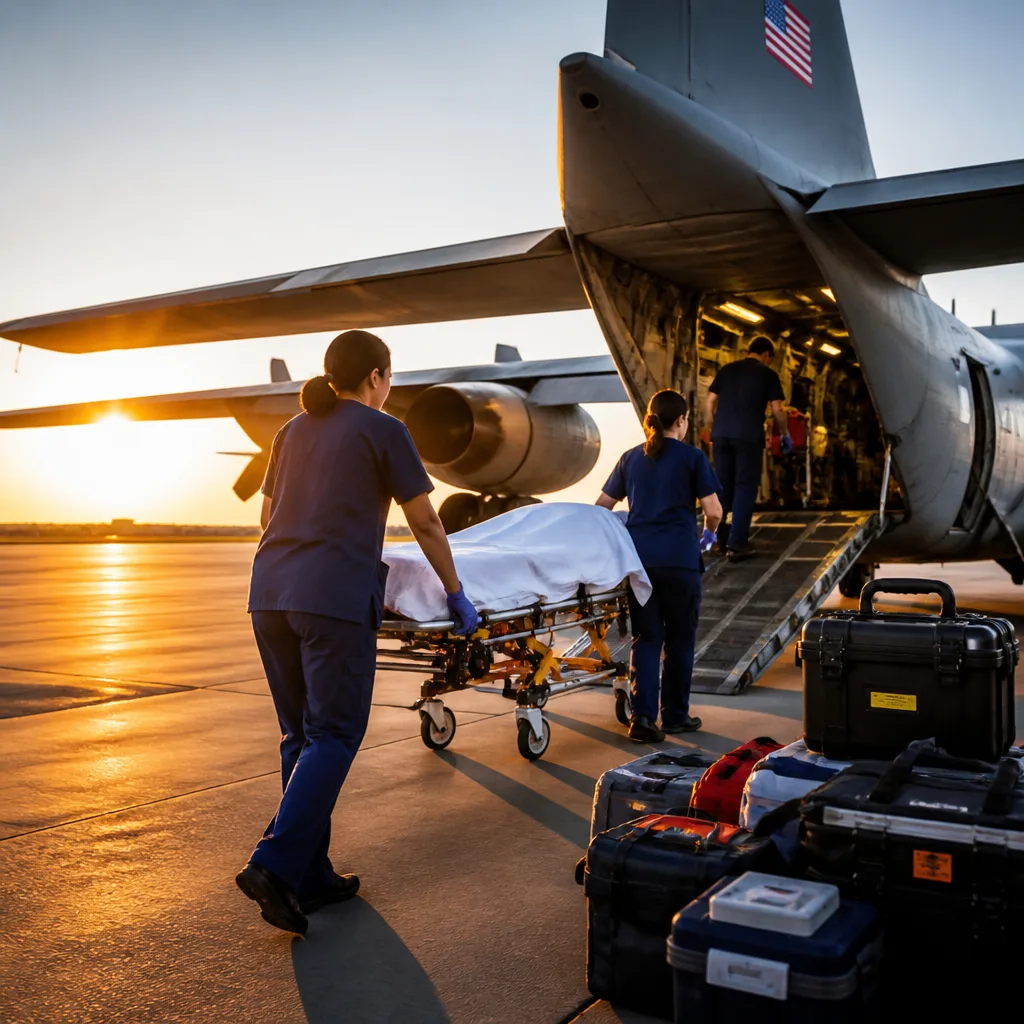
Reuters reported that multiple doctors were attending Gilman as he travelled back to the US. A US official cited by the news agency said he "seems to be in good shape" on arrival. US media partners reported his family were awaiting him at a military hospital in Texas.
Context of detention and official statements
Gilman, originally from Massachusetts, was arrested in 2022 after an incident on a train in Moscow in which he was accused of kicking a police officer while intoxicated. Russian officials framed the release in humanitarian terms. Gilman’s sister issued a statement thanking President Trump and attributing her brother’s survival to presidential intervention.
Health implications and limits of available information
The public details about Gilman’s condition remain limited and contain mixed signals. While Senator Markey described a very severe and prolonged deterioration involving pneumonia and a dissociative stupor, media reports quoted a US official who assessed Gilman as appearing to be in relatively good condition upon return.
These differing accounts illustrate important limitations in publicly available information:
- There is no independently published medical record available to corroborate the precise clinical course.
- Terms such as "catatonic" and "dissociative stupor" describe clinical states that require specialist evaluation and may have multiple causes, including infection, neurological injury, metabolic disturbance or psychiatric conditions.
- Press statements by political figures and officials can reflect different information sources and should not be conflated with peer‑reviewed clinical data.
Medical teams from the US reportedly accompanied Gilman, which is consistent with standard practice for repatriating patients who have been ill while detained abroad. The family’s intention to have him seen at a military hospital aligns with the need for specialist assessment after prolonged or complex illness.
What is known — brief timeline
| Date / period | Event |
|---|---|
| 2022 | Gilman arrested in Moscow following an incident on a train. |
| ~50 days before release | Senator Markey reports diagnosis of dissociative stupor and severe pneumonia. |
| 11 August 2026 | Russian special envoy announces Gilman freed for humanitarian reasons and flying to Washington, DC, on a US plane. |
Further clinical clarification will depend on the assessments carried out by US medical teams once Gilman is examined in the United States. Until independent medical findings are published, it is not possible to determine the precise causes of his reported state or to draw firm conclusions about the adequacy of medical care he received while detained.
As with any patient repatriated after prolonged detention abroad, clinicians will likely prioritise diagnostic investigations for infectious, metabolic, neurological and psychiatric causes of reduced consciousness, alongside supportive care and rehabilitation if needed.