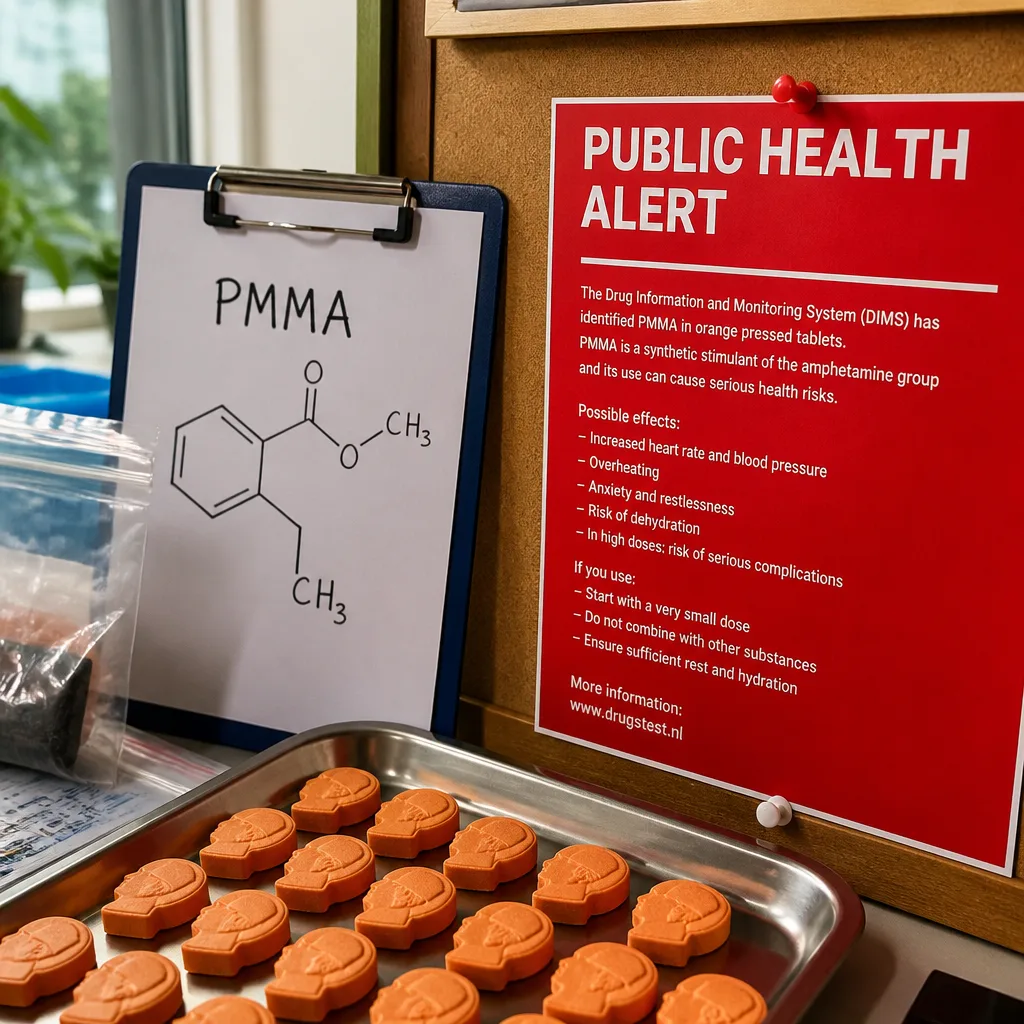
The Utrecht‑based Trimbos Institute has issued a public health red alert after pill‑testing centres in the Netherlands returned results showing several ecstasy tablets shaped and stamped to resemble Donald Trump contained very high amounts of PMMA (para‑methoxymethamphetamine), the institute said.
Immediate health risks and the institute's warning
Trimbos warned users:
“Do not use this pill under any circumstance.”The institute said PMMA is chemically similar to MDMA — the active component commonly associated with ecstasy tablets — but has a slower onset of effect and often lacks the typical stimulant effects of MDMA, which can increase the risk that users will take more before they feel anything.
The institute cautioned that ingestion of PMMA can lead to overheating with potentially fatal consequences, and that symptoms such as nausea, elevated heart rate and convulsions may occur several hours after taking the drug. Trimbos also said it had not been notified of deaths or serious illness linked to these specific tablets so far.
Context: prevalence and previous incidents
While production, sale and possession of MDMA and related substances remain illegal in the Netherlands, a 2024 Dutch government report cited by Trimbos noted that the drug remains popular, with a reported 550,000 people saying they had taken ecstasy at least once in 2022.
This is not the first time pill designers have used high‑profile faces as motifs: German police reported seizing about 5,000 Trump‑shaped ecstasy tablets in 2017.
What PMMA is and why it is dangerous
PMMA is an analogue of methamphetamine and MDMA. According to the testing warning, its pharmacology means the peak stimulant effects are delayed compared with MDMA. Users who do not feel the expected effects quickly may ingest additional tablets, increasing dose and risk. The delayed onset also complicates timely medical recognition of toxicity.
Public‑health responses to similar incidents typically emphasise harm reduction: pill testing, rapid public warnings, outreach at nightlife venues and clear clinical guidance for emergency services about recognising and treating hyperthermia, serotonin‑related syndromes and seizures. Trimbos’ alert uses imagery of the pills and explicit language to try to deter use and enable identification.
- Identified risk: tablets stamped with “Trump” and “NL” containing very high PMMA.
- Reported harms: potential for late‑onset overheating, raised heart rate, convulsions; no confirmed deaths tied to these tablets so far.
- Scale context: 550,000 people reported having used ecstasy in 2022 in the Netherlands (2024 government report).
Limits of the data and next steps
The Trimbos statement is based on pill‑testing submissions to its services in August; it does not claim to represent the national market comprehensively, nor does it provide a count of how many such tablets have been found. The institute’s spokesperson told the Associated Press there had been no reports of death or serious illness connected to these particular samples.
Authorities and harm‑reduction organisations typically face three practical challenges: detecting and publicising dangerous batches quickly, reaching people who may take pills at parties or festivals, and ensuring clinical services have clear protocols for treating PMMA toxicity. Where pill‑testing services operate, they can provide early warning to users and healthcare providers; however, testing coverage is incomplete and not every pill in circulation will be submitted for analysis.
| Item | Figure / note |
|---|---|
| People reporting ecstasy use (Netherlands, 2022) | 550,000 (2024 government report) |
| Trump‑shaped tablets seized (Germany, 2017) | Approximately 5,000 |
Clinicians and emergency services should be alert to presentations of hyperthermia and seizures after alleged stimulant use, and public‑health teams must continue rapid communication when dangerous batches are identified. The Trimbos alert is a reminder that the composition of illicit tablets varies widely and that visible branding or novelty shapes provide no assurance of safety.
Readers in the UK concerned about drug safety or seeking help can consult local health services and drug‑harm‑reduction organisations for advice; where pill‑testing services exist, their findings can help identify and warn about particularly hazardous batches.