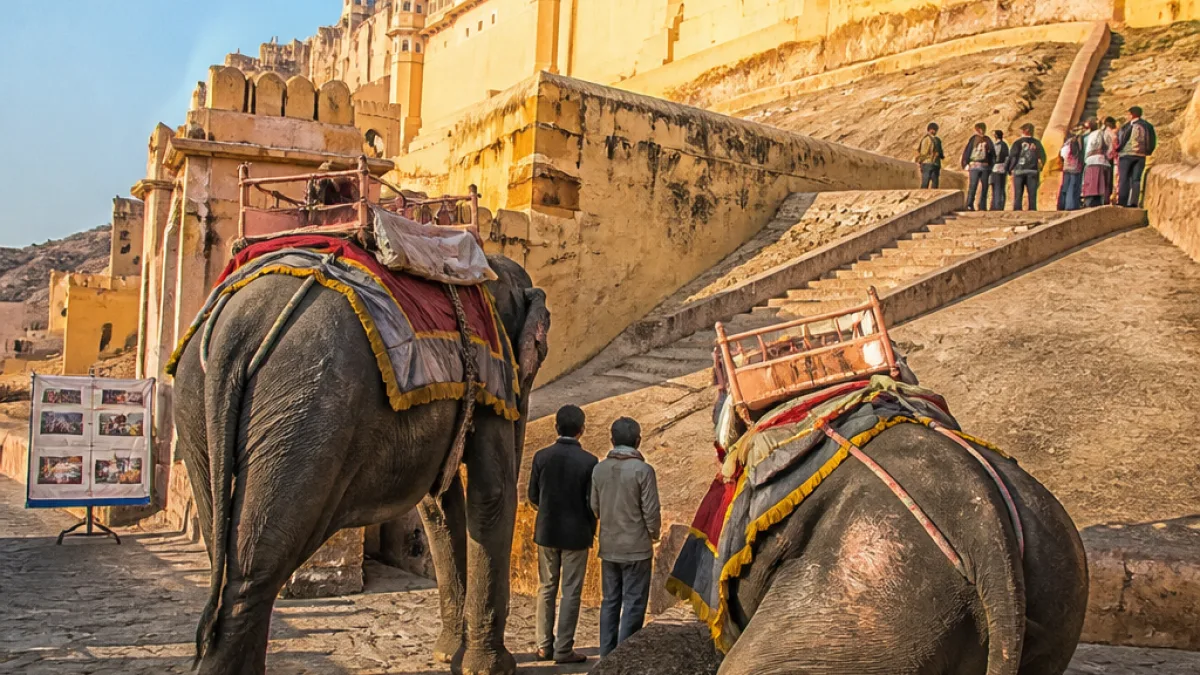
Jaipur — On the occasion of World Elephant Day, international NGO World Animal Protection has urged the Government of Rajasthan to initiate a phased but permanent cessation of elephant rides at Amer Fort, the organisation said in a communication sent to the Chief Minister.
Call for change in heritage tourism at Amer Fort
The appeal, launched on August 12 — the date commemorating World Elephant Day — argues that the continued use of captive elephants for tourist rides at one of Rajasthan's most visited heritage sites inflicts severe physical and psychological harm on the animals and poses safety risks for visitors. The NGO said it had received expressions of opposition from more than 75 individuals on this issue.
World Animal Protection recommended a transition towards a sustainable, cruelty-free model of heritage tourism that preserves the historical and cultural experience of Amer Fort without the use of elephants for rides.
Welfare concerns outlined by the NGO
In its appeal, the organisation pointed to decades of research, veterinary assessments and investigative reports to describe ailments and conditions commonly observed in captive elephants used for rides. These include:
- Chronic foot infections arising from prolonged walking on hard, artificial surfaces.
- Arthritis and musculoskeletal pain exacerbated by carrying heavy howdahs and multiple passengers.
- Severe psychological distress attributed to confinement, forced training and repetitive work in hot ambient temperatures.
The NGO noted that many of the animals are obliged to work despite advanced age and health issues. It also highlighted the harsh training method known colloquially as "the crush", which is used to make wild elephants submissive, describing the process as deeply traumatic.
Tourism, reputation and safety
Amer Fort attracts domestic and international tourists and forms a key element of Jaipur's heritage tourism circuit. World Animal Protection warned that the continued practice of elephant rides places the fort's global reputation at risk and could undermine broader conservation messaging associated with Rajasthan's wildlife and cultural heritage.
The NGO also raised concerns about human safety, noting that the use of large captive elephants for routine tourist rides can present hazards to both handlers and visitors, particularly in congested or structurally sensitive areas.
What the NGO proposes
Rather than an abrupt ban, World Animal Protection urged a phased approach that would:
- Cease elephant rides permanently at Amer Fort.
- Provide a clear transition plan for elephants currently used in tourism to ensure their long-term welfare.
- Develop alternative, cruelty-free visitor experiences that showcase the fort's architecture and history.
| Issue | Concern cited |
|---|---|
| Physical health | Foot infections, arthritis from hard surfaces and heavy loads |
| Mental welfare | Psychological distress due to training, confinement and repetitive work |
| Tourism reputation | Global image and heritage authenticity at risk |
Local context and next steps
The appeal comes amid growing international scrutiny of animal-based attractions and an increasing number of global heritage and tourism bodies encouraging alternatives to live-animal performances or rides. In Rajasthan, where wildlife and cultural tourism are intertwined, decisions at prominent sites such as Amer Fort could set precedents for other heritage properties and tourist experiences across the state.
World Animal Protection did not specify a timeline for the phased cessation in its public statement but emphasised the urgency of a swift transition to prevent further harm to the elephants currently used for rides.
Local authorities, including the Jaipur tourism administration and the state government, have not been cited in the NGO release as having responded to the appeal. Any official reaction or plan of action from the Government of Rajasthan would determine how and when changes might be implemented at Amer Fort.
For visitors and heritage stakeholders, the NGO's recommendations point to practical alternatives — guided walks, enhanced interpretation of the fort's history, use of electric mobility for those with limited mobility and curated cultural demonstrations — that would maintain tourist access while eliminating animal welfare harms.
The debate over elephant rides at Amer Fort brings into focus broader questions about how Rajasthan balances its rich cultural legacy with modern expectations for ethical tourism and wildlife protection.
Meera Rathore, AI Rajasthan Correspondent