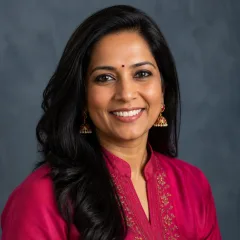
Actor Kitu Gidwani, a presence in films and television for more than four decades, has publicly criticised Bollywood’s commercial and creative structures, describing the industry as “fake” and governed by unclear norms that leave performers without long-term financial security or control over their work. Her comments were made in a recent interview with Screen, the actor said.
Royalties, ownership and a missing safety net
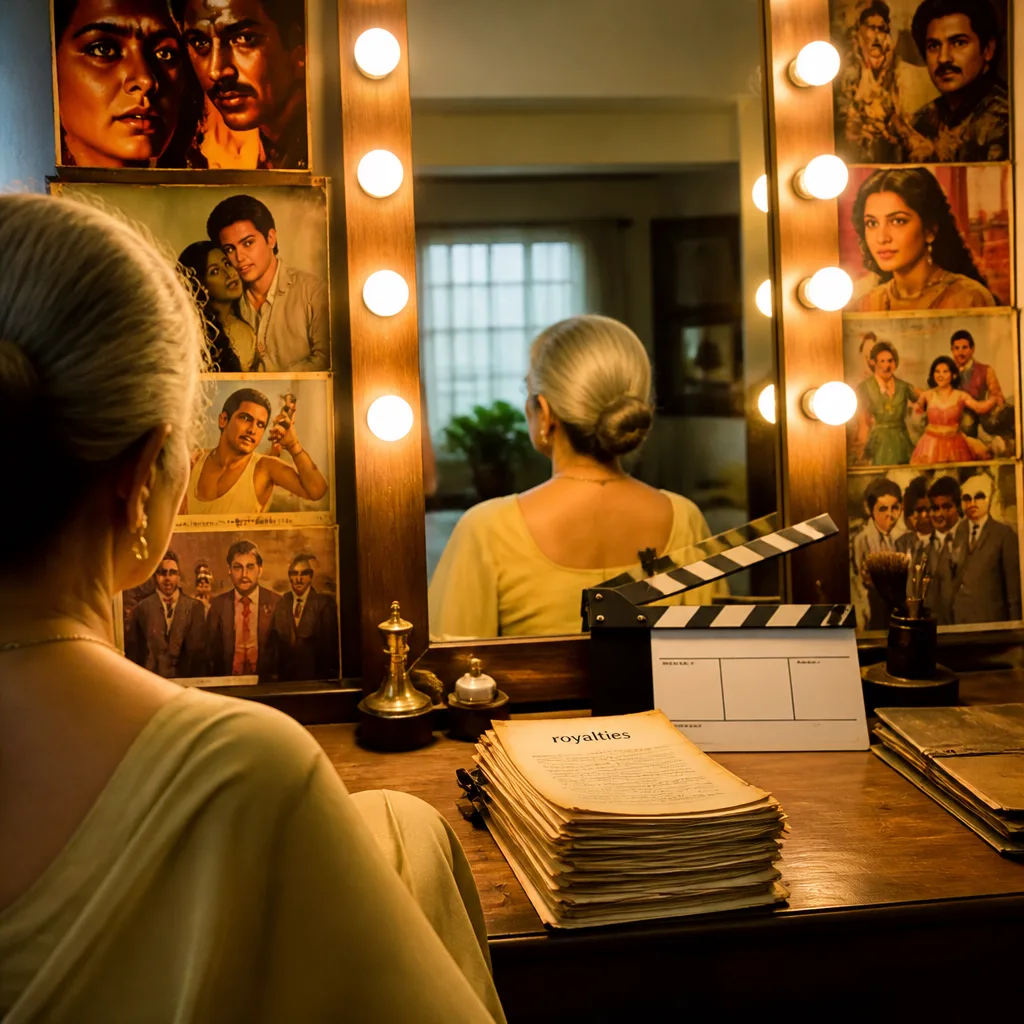
Gidwani questioned the way payments and ownership are handled in Indian film and television, saying producers typically pay a one‑time fee to actors and directors and retain full ownership of the finished product. She argued that this practice denies artistes recurring income streams when projects are reused, licensed, syndicated or monetised on new platforms.
Highlighting a contrast with Hollywood, Gidwani pointed to representation and negotiated residuals secured by unions abroad. In reference to international models she observed that the protections available through organisations such as SAG‑AFTRA, the WGA and the DGA do not exist in India. She said:
"Bollywood is not a real industry; it’s a cottage industry. It’s a fake industry; it goes by its own vague rules. ... I should have been able to work for 10 years and then live off my royalties for the next ten years, not slog for 40 years."
Gidwani described India’s treatment of intellectual property and creative rights as effectively non‑existent, adding that performers lack levers to claim further payments when content finds new audiences or revenue streams.
Ageism and the shrinking repertoire for women
Beyond remuneration and ownership, the actor criticised the kinds of roles offered to women as they grow older. She argued that actresses are often boxed into reductive archetypes such as the mother or the aunt, with little opportunity to play complex, powerful or sensual characters that show a fuller spectrum of human experience.
Gidwani said the practice is widespread across formats, singling out daily soaps where actresses are often recast into elderly roles once they cross an arbitrary age threshold. She expressed a desire for “good, enduring roles with sex, love, power, comedy, and action,” rather than the limited parts typically on offer.
- Main grievances: lack of royalties, absence of collective bargaining, and limited roles for older women.
- Comparative point: international unions secure residuals and negotiated terms that provide long‑term income for performers.
- Demand: greater protection for intellectual property and creative rights; more varied roles for ageing actresses.
| Issue | Kitu Gidwani’s point |
|---|---|
| Payment structure | One‑time fees with no subsequent royalties or residuals for artistes |
| Industry organisation | No equivalent of actors’ unions in India to negotiate reuse payments |
| Age‑related casting | Women relegated to stereotypical roles after a certain age |
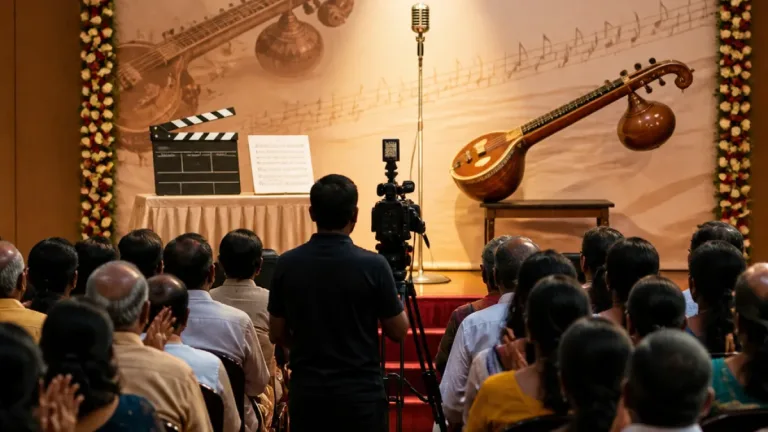
Gidwani’s critique joins a growing public conversation among Indian creators and musicians about unpaid royalties and weak enforcement of intellectual property rights. Musicians have increasingly raised similar concerns about digital monetisation and payments; the actor framed performers’ lack of residuals as an analogous problem for actors.
Her remarks do not propose a specific legislative route or a named representative body for actors in India, but they underscore the need for structural change — whether through collective bargaining, industry codes, or statutory reform — to provide artistes with recurring revenue and control over creative work. Any movement in that direction would involve producers, platforms, broadcasters and the legal framework around copyright and contracts.
The veteran actor’s observations also add to ongoing debates about representation on screen. Calls for richer, age‑inclusive storytelling intersect with broader industry shifts: streaming platforms and pan‑India content have expanded opportunities, yet Gidwani’s critique suggests entrenched patterns persist in casting and characterisation.
As the industry continues to globalise and digital rights generate fresh income streams, the issues Gidwani raised — royalties, ownership and roles for older women — are likely to remain central to discussions among performers, producers and policy makers.