New Delhi: Union Minister of State Dr Jitendra Singh called on Sunday for diabetes prevention to be elevated to a national priority, underlining that the disease is increasingly affecting rural India and requires earlier screening, greater access to care and coordinated long-term follow-up, according to reports on the launch of a new rural outreach portal and a diabetes awareness video library.
Policy push at RSSDI event
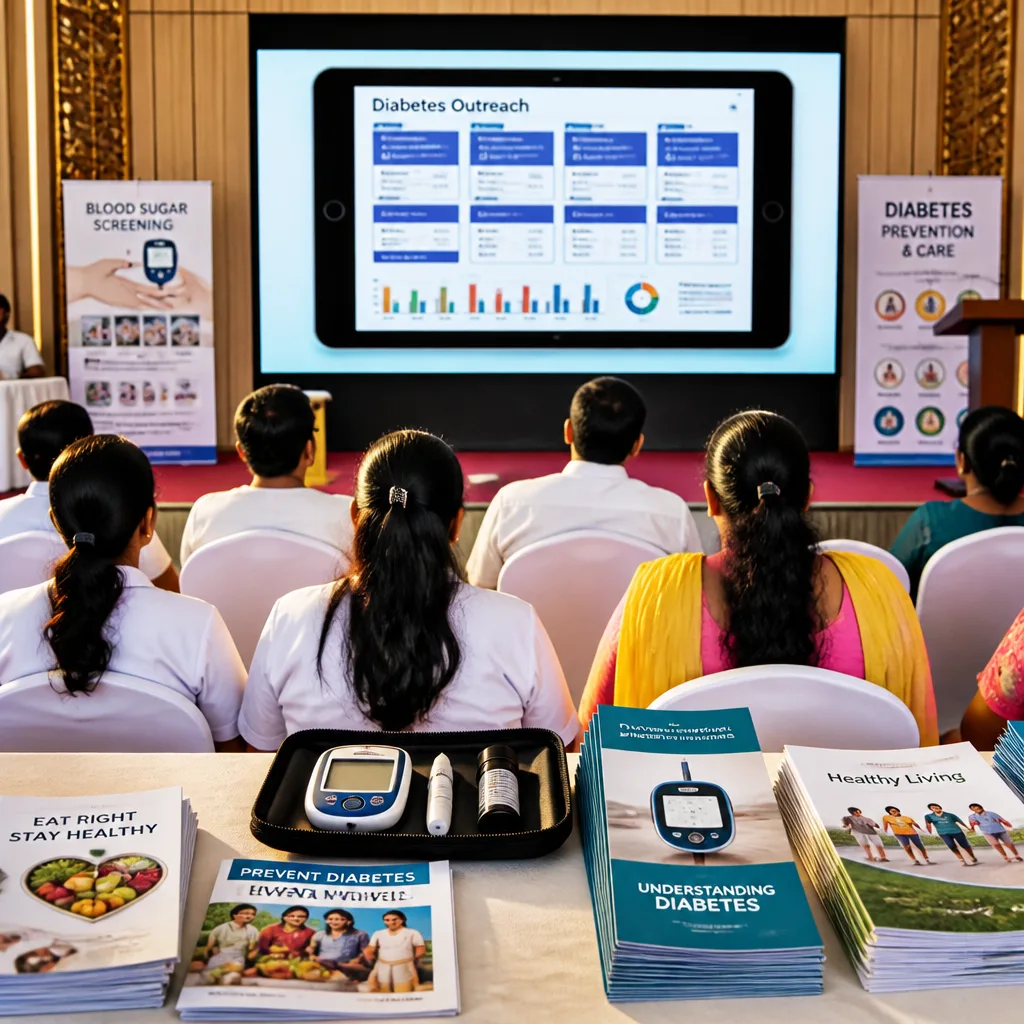
Dr Singh made the remarks at the inauguration of the Research Society for the Study of Diabetes in India (RSSDI) Diabetes Rural Outreach Digital Portal and the launch of VISHWAS, described as a Diabetes Awareness Video Library. He said India must move beyond treating established cases in urban hospitals and strengthen prevention, early detection and continuity of care in villages and underserved areas, the reports said.
"Diabetes prevention should become a national priority," said Dr Jitendra Singh.
Health experts have long associated the rise in diabetes with urbanisation, sedentary lifestyles and changing diets. The recent emphasis from the Union Ministry of State and a professional body such as RSSDI reflects concern that the disease burden is now extending into rural communities where health infrastructure and screening coverage are often limited.
Why early detection and rural outreach matter
Diabetes can remain undetected for years, often presenting with few or no symptoms in its early stages. By the time a diagnosis is made, patients may already have developed complications affecting the heart, kidneys, eyes, nerves or blood vessels, the reports noted. Early screening for high blood sugar and identification of at-risk individuals create opportunities for lifestyle interventions and medical treatment that can prevent or delay complications.
- Screening: Earlier detection in rural areas to reduce late presentations with complications.
- Access: Improved availability of medical advice, diagnostics and medicines outside urban centres.
- Follow-up: Coordinated long-term management and use of digital tools for continuity of care.
During the event, RSSDI presented the digital portal as a tool to support rural outreach. VISHWAS, the video library, was launched as an educational resource to raise awareness about diabetes prevention and management. Reports said Dr Singh highlighted the need to harness India’s progress in healthcare, scientific research and digital technology to reach underserved populations.
Implementation challenges and possible approaches
The move to prioritise prevention in rural areas will need strengthened primary healthcare, community-based screening and trained frontline workers, along with reliable referral pathways to higher centres for diagnosis and treatment. Digital platforms such as the RSSDI portal and video libraries can supplement health worker efforts by delivering standardised information and decision support, according to the event coverage.
| Area | Urban | Rural (emerging concern) |
|---|---|---|
| Typical drivers | Sedentary lifestyle, dietary change | Rising prevalence, limited screening |
| Health access | Speciality clinics, hospitals | Primary care, outreach needed |
The reports stressed that while India has made strides in healthcare and digital technology, the priority now is to ensure these benefits reach villages and underserved communities. Integrating community screening, lifestyle counselling and follow-up into existing primary health services could reduce the risk of long-term complications, the coverage added.
Health authorities and professional bodies recommend that individuals consult a qualified physician for screening and personalised advice. Public health experts often emphasise population-level measures — including health education, promotion of physical activity, reduction of unhealthy diets and strengthening of primary health systems — to complement individual clinical care.
The RSSDI initiative and the Union Minister’s remarks signal a closer focus on rural diabetes burden and the role of technology and community-based approaches in addressing it. As policymakers consider next steps, the challenge will be converting policy intent into sustained, locally adapted programmes that can reach remote and underserved populations.
Readers are reminded that this coverage is informational and not a substitute for medical advice; individuals should consult a qualified doctor for diagnosis and treatment.