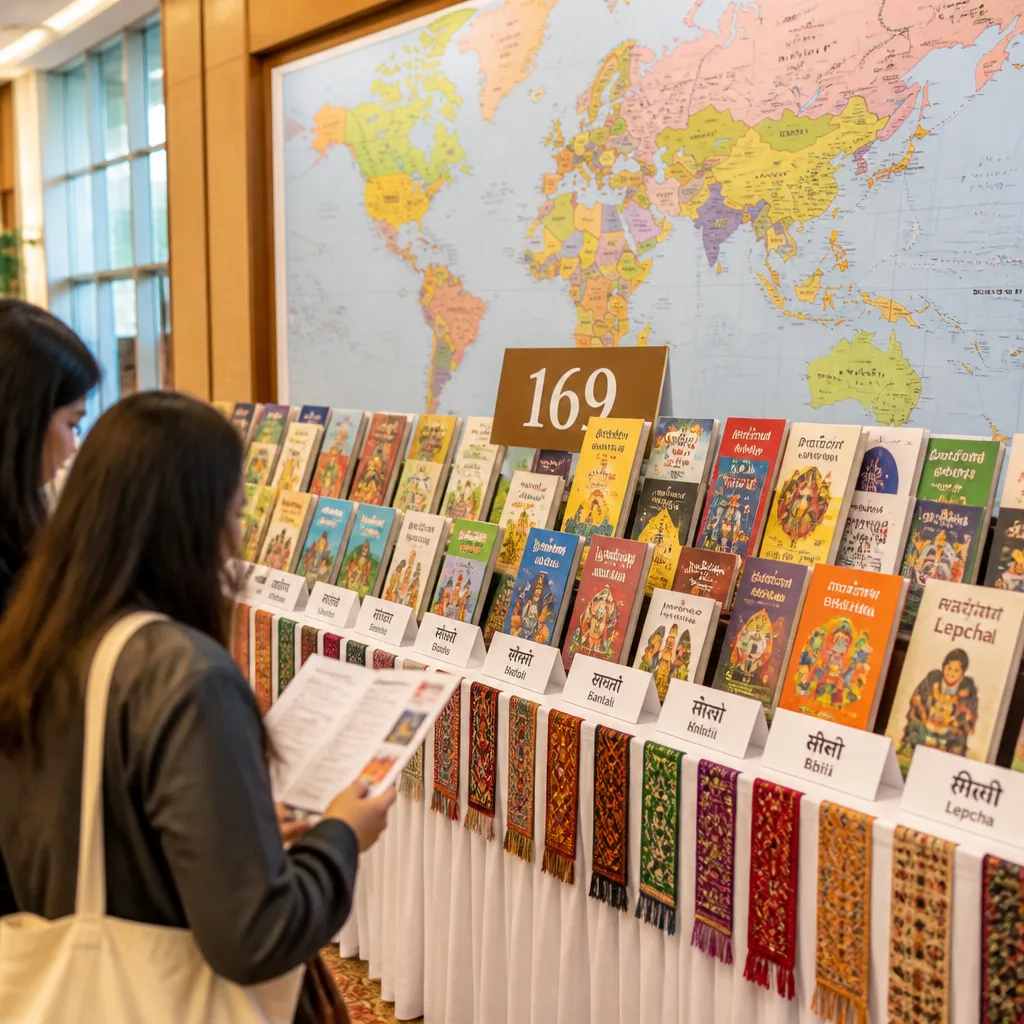
UNESCO, in partnership with the International Board on Books for Young People (IBBY), has launched an international initiative to strengthen endangered and indigenous languages by promoting their publication and use in education and cultural spaces.
Launch and selections
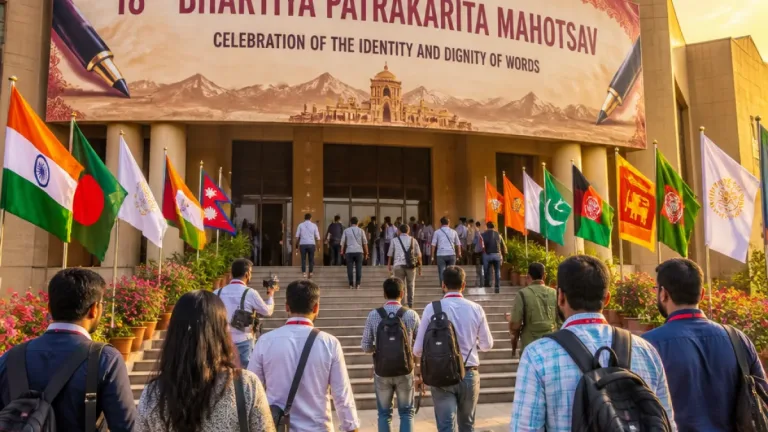
The initiative was revealed during the 40th World Congress of IBBY, held in Ottawa, Canada, from 6 to 9 August. From more than 500 nominations, organisers selected 169 works representing more than 150 indigenous and endangered languages. The collection spans picture books, novels, biographies, non-fiction and graphic novels published between 2018 and 2025, in monolingual indigenous languages or bilingual editions.
Why the drive matters
UNESCO framed the programme as a response to accelerating loss of linguistic diversity. A 2025 UNESCO report cited that roughly one language disappears every two weeks and estimated that nearly 40% of the world’s languages could vanish by the end of this century if current trends continue. The new initiative aims to increase the visibility of endangered tongues in classrooms, libraries and digital platforms so that transmission to younger generations improves.
- Scope: 169 books from 150+ languages, chosen from 500+ nominations.
- Period covered: Works published between 2018 and 2025.
- Goal: Boost presence of indigenous languages in education and digital media and support intergenerational transmission.
Representative languages and local efforts
The selected titles include works from languages that are critically endangered. Examples highlighted by the organisers include:
| Language | Region | Situation noted |
|---|---|---|
| N|uu | South Africa | One of the oldest San languages; included story: "The Tortoise and the Ostrich" |
| Gurindji | Northern Australia | Now spoken by about 50 people; selection: "Tamara: The Story of the White Ant in Gurindji Land" |
| Kusunda | Western Nepal | Reported to have only one fluent speaker; revival efforts include students publishing the first creative-writing collection in Kusunda |
Policy alignment and educational implications
The initiative aligns with the Global Action Plan for the International Decade of Indigenous Languages (2022–2032), which seeks increased recognition, use and transmission of indigenous tongues. For education authorities and curriculum planners, the programme underscores two operational priorities:
- Integrating local and indigenous languages into early-language and mother-tongue instruction models to improve learning outcomes and retention.
- Supporting publication, teacher training and digital resources so minority languages can be used across school and community contexts.
For India specifically, where several recognised and unrecognised indigenous languages coexist with regional and official languages, the UNESCO-IBBY effort offers models for book development, bilingual editions and community-led revival projects that could inform state and central programmes on multilingual education.
Implementation questions and next steps
Organisers said the programme will prioritise distribution and digital availability to broaden classroom and public access. Details on funding, long-term curation and mechanisms for integrating selected works into national curricula and teacher training frameworks were not published in the materials released at the congress. Education departments, textbook boards and libraries will need clear guidance on procurement, translation and pedagogical use if the selected titles are to move from showcase to classroom resources.
Officials, practitioners and communities interested in the UNESCO initiative should consult the formal UNESCO and IBBY announcements for complete lists of the selected books and any application or distribution mechanisms connected to the programme.
Author: Education Desk