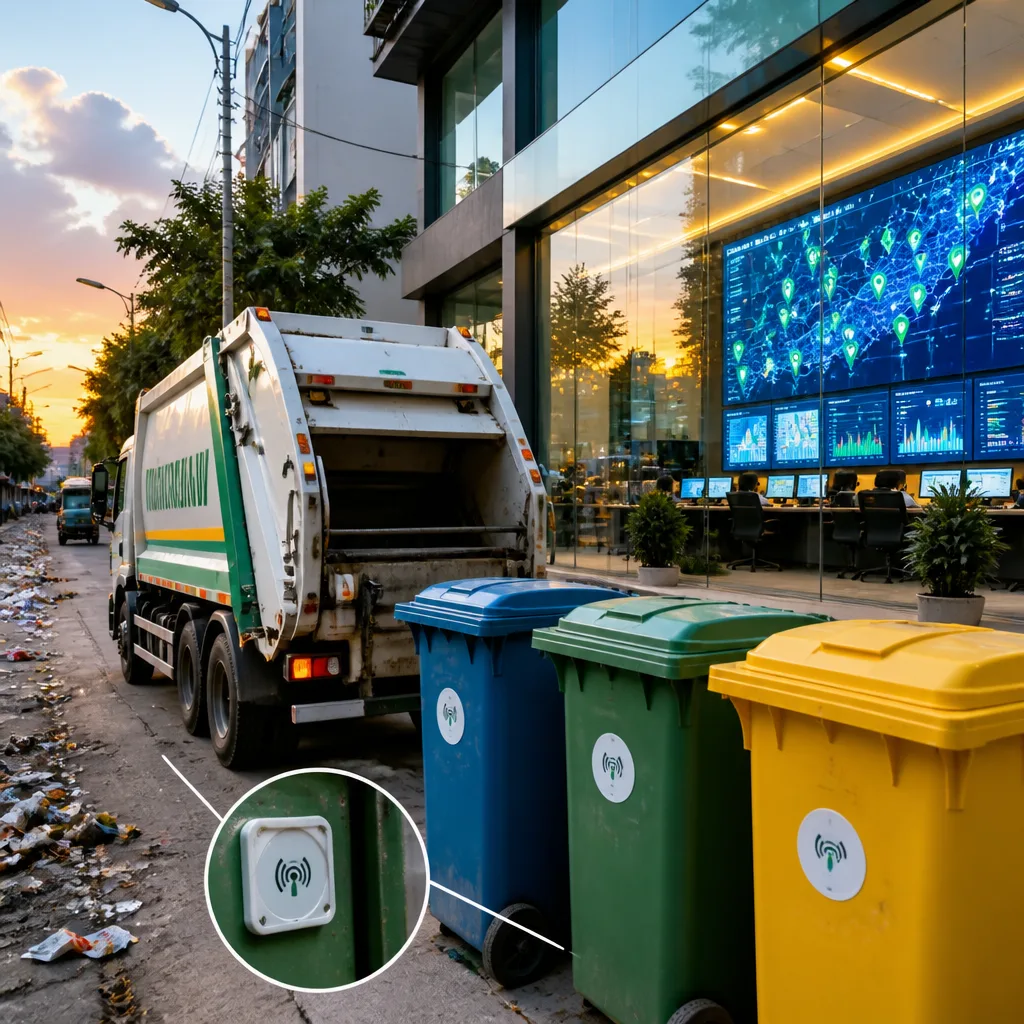
New Delhi: India’s large investment in urban technology has helped expand municipal waste collection and processing, but it has not necessarily translated into uniformly cleaner streets, according to recent government figures and implementation data.
What the numbers show
The Smart Cities Mission has mobilised major spending and infrastructure for urban management. The programme has supported roughly 8,067 projects with total investment of about ₹1.64 lakh crore, and as of May 2025 around 94 per cent of those projects had been completed, the project database indicates.
Waste management has been a clear focus of the technology push. The Economic Survey 2025-26 reports that door-to-door collection of municipal solid waste has expanded to 98 per cent of urban wards, and municipal reporting shows that approximately 80 per cent of urban municipal waste is now being processed — up from about 16 per cent in 2014-15.
| Metric | Figure |
|---|---|
| Smart Cities projects | ~8,067 |
| Investment | ₹1.64 lakh crore |
| Project completion (May 2025) | 94% |
| Door-to-door collection coverage | 98% of urban wards |
| Waste processed (reported) | 80% (vs 16% in 2014-15) |
| Waste-collection vehicles | More than 2.5 lakh |
| RFID-enabled vehicles (Smart Cities) | 9,194 |
Where technology is being used
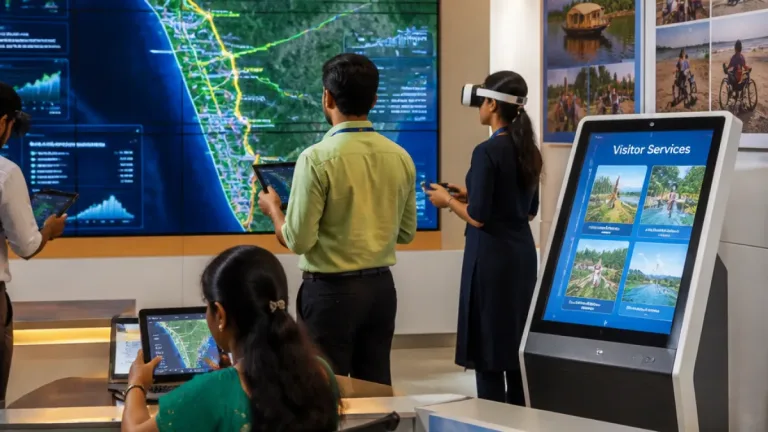
Municipalities have adopted digital tools such as GPS on vehicles, RFID tags for automatic vehicle location and Integrated Command and Control Centres (ICCCs) to monitor collection routes. According to programme data, around 66 cities under the Smart Cities Mission use technology specifically for solid-waste management, and nearly 9,194 collection vehicles have been RFID-enabled so authorities can track movement and routing.
- Routing and monitoring: GPS and ICCCs allow supervisors to verify whether vehicles covered assigned routes rather than relying only on manual reporting.
- Data trail: RFID and telematics create a digital record of vehicle movement, which can be used for performance monitoring and citizen grievance redressal.
- Scale-up: The national fleet of waste-collection vehicles has expanded to over 2.5 lakh, providing the physical capacity for greater coverage.
Improved collection, mixed outcomes on cleanliness
While collection coverage and reported processing have increased markedly, the relationship between better municipal logistics and visibly cleaner streets is not automatic. Observers and municipal reports point to persistent gaps:
- Collection may not be matched by effective segregation at source and downstream processing; reported processing rates do not always reflect quality or final disposal standards.
- Technology creates records, but outcomes depend on frontline enforcement, timely maintenance of equipment and follow-through at transfer stations and treatment facilities.
- Local variations are considerable: some cities show clear operational improvements through ICCCs and route optimisation, while others continue to struggle with litter, open dumping and informal practices.
The Economic Survey’s aggregated figures indicate national progress, but they do not eliminate the need for local audits, independent verification and citizen-visible change. Improved collection plus better data can help municipal corporations focus resources and tackle leak points — but they do not replace municipal governance, maintenance and behaviour change campaigns that make streets clean day-to-day.
As cities continue to invest in sensors, command centres and vehicle telematics, policymakers face two linked tasks: ensure that digital systems translate into reliable operational action on the ground, and strengthen the “back-end” — segregation, processing and scientifically managed disposal — so that increased collection does not simply move waste from one location to another.
For citizens, the lesson is pragmatic: dashboards and maps can show routes covered and trucks tracked, but the practical measure of success remains whether waste is being segregated at source and processed or recycled properly after collection.