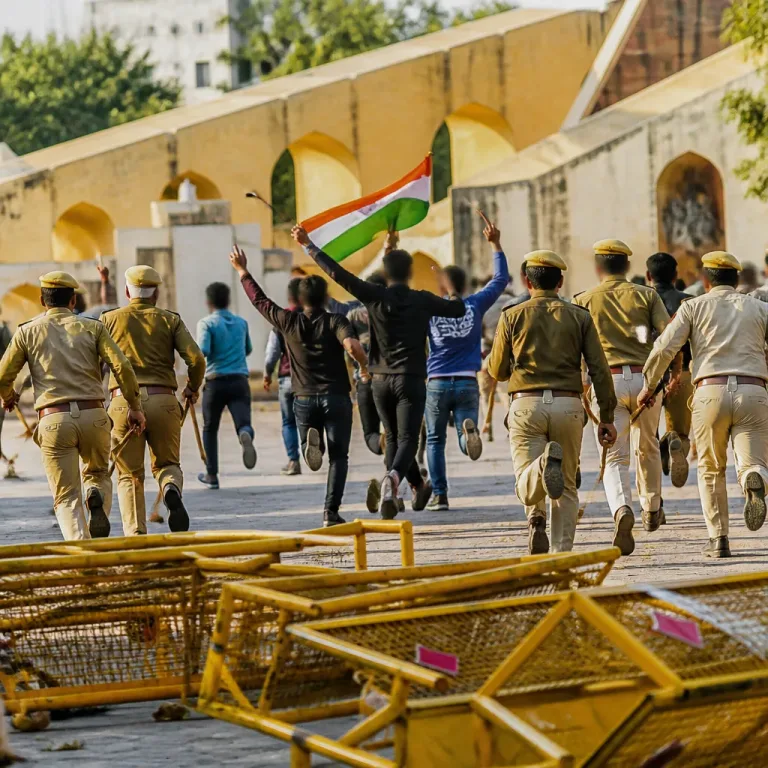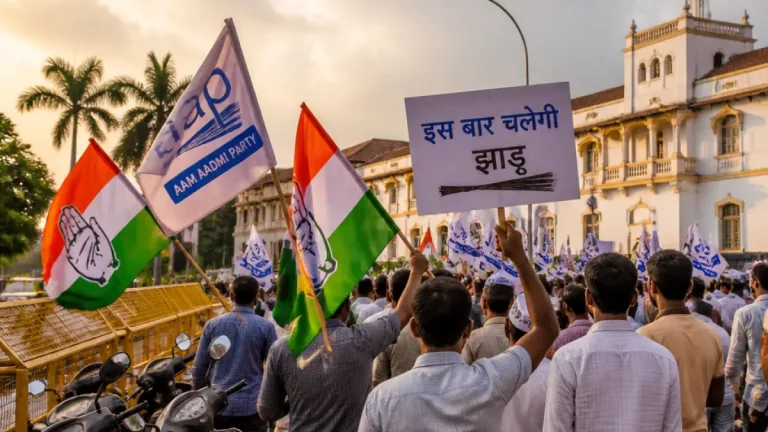
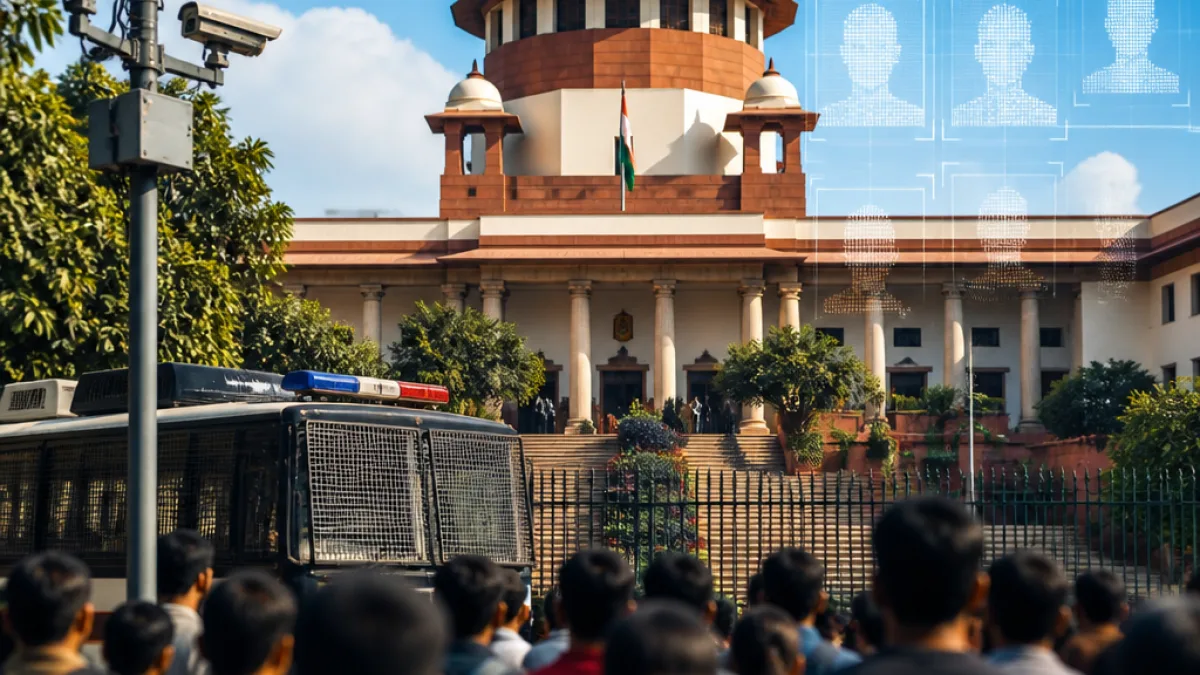
New Delhi: The Supreme Court on Thursday agreed to hear a petition by Rajya Sabha MP A. A. Rahim alleging that the Delhi Police deployed facial recognition technology and other biometric surveillance measures during a recent student protest at Jantar Mantar.
A bench comprising Chief Justice Surya Kant and Justices Joymalya Bagchi and V. Mohana directed that the matter be tagged with earlier petitions on biometric surveillance and privacy, and said it will hear the plea along with those related matters.
The petition, filed through advocate Subhash Chandran K R, was placed before the bench by senior counsel Menaka Guruswamy, who advanced two core concerns: the use of facial recognition by Delhi Police and the storage of biometric data by private companies.
“One maps your face and one is a vehicle. So spectacles are used and a vehicle is also used. And that data is all taken without permission. These private entities host the data. In violation of the rules…,”
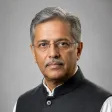
Rahim, who is a member of the Rajya Sabha from Kerala representing the Communist Party of India (Marxist), has asked the top court to declare the indiscriminate use of biometric surveillance at peaceful public assemblies unconstitutional and to restrain such practices until Parliament enacts specific authorising and regulatory legislation.
Allegations in the petition
The plea contends that the Delhi Police operated biometric surveillance in a "complete legal vacuum" and that existing instruments — including the Delhi Police Standing Orders and the Criminal Procedure (Identification) Act, 2022 — do not authorise biometric monitoring of participants in civilian assemblies.
According to the petition, Delhi Police conducted automated extraction and matching of protesters' biometric identifiers and allegedly linked that information with permanent national criminal databases. The petition also states that protesters, journalists and other members of the public were subjected to continuous biometric monitoring through the collection of photographs and video footage.
Specifically, the petition lists the following means of surveillance that it says were used at the Jantar Mantar protest:
- CCTV cameras recording public spaces
- Drones deployed for aerial footage
- Mobile command-and-control vehicles processing data on the spot
| Alleged Surveillance Tool | Role |
|---|---|
| CCTV | Continuous ground-level recording |
| Drones | Aerial imagery capture |
| Command vehicle | Real-time data processing and matching |
Legal and civic implications
The petition raises constitutional questions about the right to assemble, privacy and the limits of police powers in public spaces. It argues that biometric surveillance at peaceful assemblies chills participatory democratic activity and risks exposing personal data to private entities without informed consent or statutory safeguards.
The plea further relies on an RTI response from Delhi Police, which it says confirms aspects of the force's data collection practices; the petition uses that response to underline the absence of a specific legal framework authorising the kind of biometric processing described.
By seeking to have the matter heard alongside existing petitions, the petitioner aims to secure comprehensive judicial scrutiny of the legal regime governing facial recognition, the role of private data hosts, and the constitutionality of such surveillance in public assemblies.
The Supreme Court over recent years has dealt with multiple cases touching on privacy, data protection and state surveillance. Petitioners in those matters have sought clearer statutory rules, judicial oversight mechanisms and limits on data sharing between State agencies and private entities.
As the case proceeds, key issues likely to engage the court will include the statutory basis for biometric surveillance, procedural safeguards (if any) followed by police, data retention and sharing practices, and whether temporary measures taken for law-and-order can be squared with constitutional guarantees.
The matter has now been listed for hearing along with related petitions; the bench did not indicate a date on Thursday but ordered that the present plea be tagged with the ongoing matters for consolidated consideration.
Legal commentators and civil liberties groups will be watching the proceedings closely, as the outcome could shape how police and other State agencies employ emerging biometric technologies in public spaces across the capital and elsewhere.