Bench tags plea with other protest-related petitions; privacy, statute and data-sharing in focus
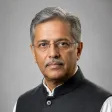
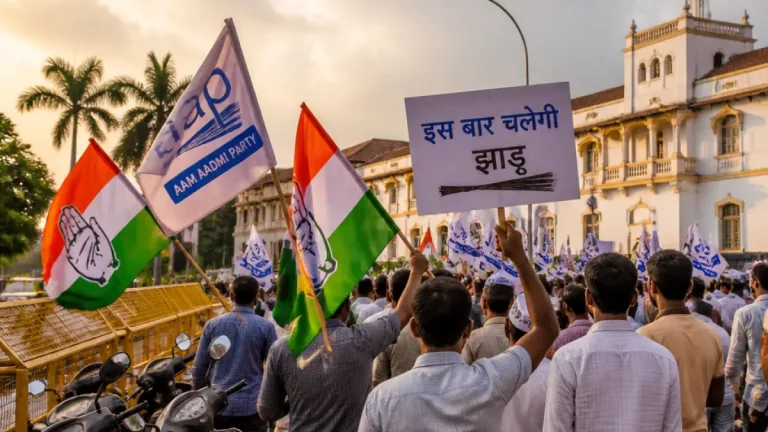
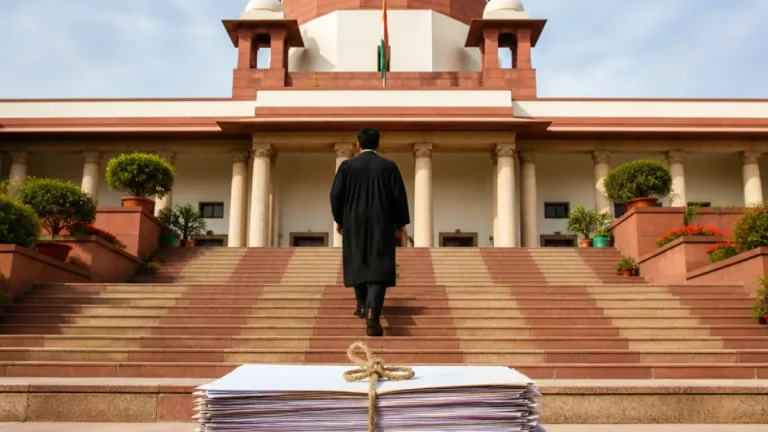
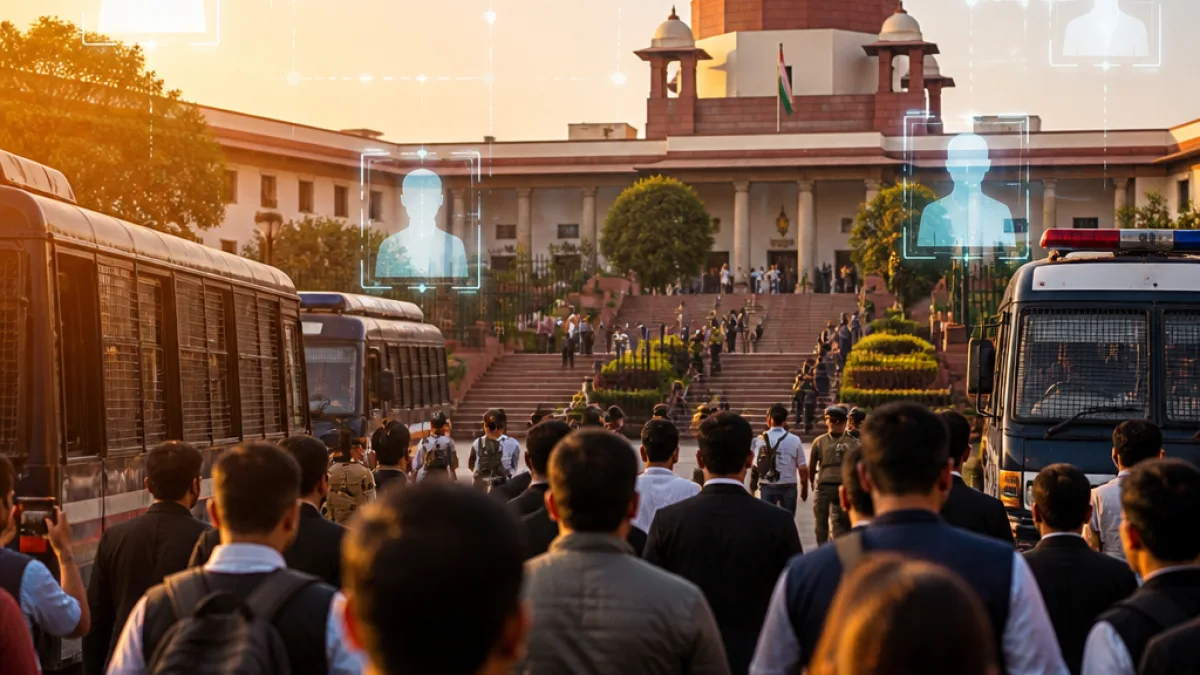
The Supreme Court on Thursday agreed to hear a petition that challenges the Delhi Police’s deployment of facial recognition technology to monitor protesters and the alleged collection and sharing of biometric information with private companies. A three-judge bench led by Chief Justice Surya Kant has placed the petition by CPI(M) Rajya Sabha MP A A Rahim alongside other cases linked to the recent demonstrations at Jantar Mantar and related protest litigation.
Senior Advocate Menaka Guruswamy, appearing for Rahim, told the bench — which also includes Justices Joymalya Bagchi and V. Mohana — that the complaint concerns use of facial-recognition tools by the Delhi Police and the onward transmission of biometric data to two private entities. Counsel said one firm maps faces and another operates from vehicles equipped for data collection, and contended that the information is taken without consent and hosted by private parties.
“These private companies host the data, in violation of the Digital Personal Data Protection Act, 2023, CrPC, etc,” Menaka Guruswamy told the bench.
The petitioners have urged the court to examine whether such surveillance conforms with the 2017 constitutional test set out in K. S. Puttaswamy v Union of India, which requires that any invasion of privacy be authorised by law, serve a legitimate aim and be proportionate to that aim. Earlier hearings in related matters saw the court direct authorities to preserve digital material collected from protesters and to ensure it is not released publicly pending judicial consideration.
Legal and practical questions flagged
The plea raises a series of legal and operational issues that will be scrutinised at the hearing:
- Whether Delhi Police’s use of facial recognition and collection of biometrics is authorised by law;
- Whether such use meets the Puttaswamy privacy test of legitimate aim and proportionality;
- Allegations that biometric data was shared with private companies and therefore contravenes the Digital Personal Data Protection Act, 2023 and provisions of the Criminal Procedure Code (CrPC).
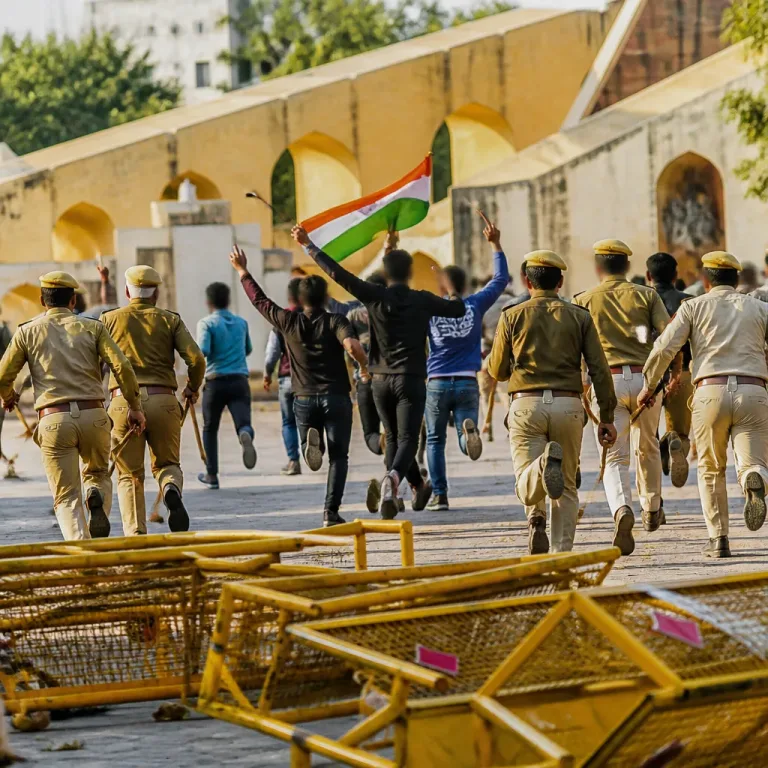
The court has already been seized of questions concerning the constitutional validity of facial recognition technology and biometric profiling in the context of the recent Jantar Mantar protests. Petitioners in those matters have expressed fear that digital records could be used to intimidate or harass participants once they are analysed or circulated.
Implications for policing in Delhi
If the top court narrows or curtails the use of facial recognition technology, the judgment could have immediate operational consequences for law enforcement in the Capital. Delhi Police has increasingly relied on digital tools for crowd management and investigations; a restrictive ruling would prompt revisions to standing orders, procurement practices and vendor arrangements.
Conversely, if the court permits such surveillance within defined safeguards, authorities may continue deploying or expanding similar systems subject to regulatory conditions. The petition specifically alleges non-compliance with data-protection norms because of third-party hosting arrangements; the court’s view on that factual contention will be central to any relief granted.
| Item | Detail |
|---|---|
| Plaintiff | CPI(M) Rajya Sabha MP A A Rahim |
| Court | Supreme Court of India (three-judge bench) |
| Key legal references | K. S. Puttaswamy (2017), Digital Personal Data Protection Act, 2023, CrPC |
Advocates on both sides will be expected to place material before the court on how data was collected, the nature of any contracts with private firms, the categories of information stored and steps taken by police to safeguard privacy and prevent unauthorised dissemination.
For residents of Delhi, the case touches on familiar tensions between public-order imperatives and individual liberties. Protest sites such as Jantar Mantar and locations in central Delhi have been flashpoints for friction between demonstrators and the police; any ruling on surveillance there will shape how future assemblies are policed and how participants’ data is handled.
The matter was tagged with other petitions arising from the protests and will be listed for a fuller hearing before the bench. Observers say the case could set precedents that extend beyond the Capital to how state and central agencies use emerging surveillance technologies nationwide.