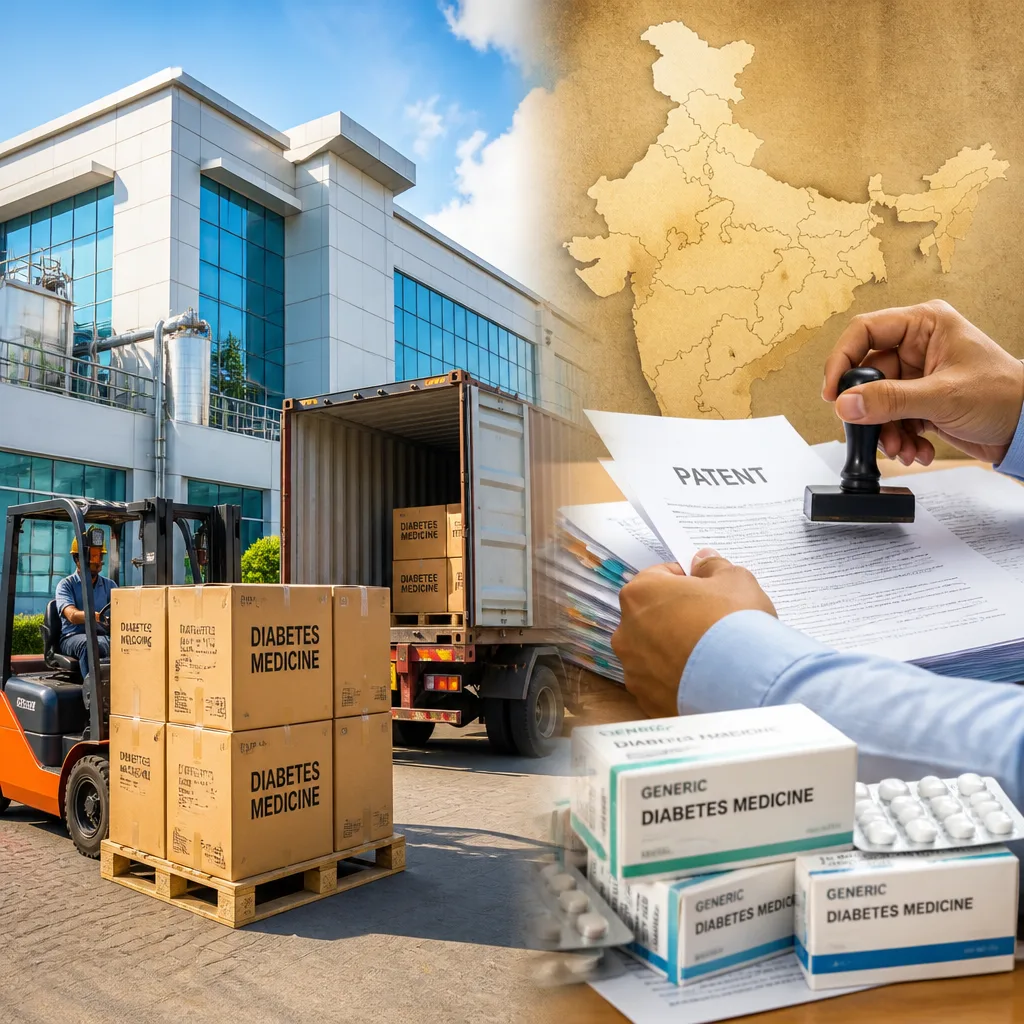
India’s policy, manufacturing and legal frameworks have helped reduce the cost of newer diabetes medicines, a study led by Chennai diabetologists has found, offering possible lessons to other low- and middle-income countries (LMICs) confronting an escalating diabetes burden.
Key findings and context
The paper, titled Making Modern Diabetes Medications Affordable and Accessible: Lessons from India for Other Countries, was led by V. Mohan of Dr. Mohan’s Diabetes Specialities Centre, Chennai, and published in the journal Diabetes Care. It highlights that of the estimated 589 million adults with diabetes globally, roughly 80% live in LMICs — underlining the urgency of affordable therapies in resource‑constrained settings.
The authors note that modern therapeutic classes such as GLP‑1 receptor agonists and SGLT2 inhibitors have demonstrable benefits for cardiovascular and renal outcomes, and that analogue insulins reduce hypoglycaemia risk. Yet high prices initially limited uptake, the study says, because diabetes requires life‑long treatment and prolonged management of complications.
Why India kept prices lower
According to the paper, several interlinked factors contributed to India’s comparative affordability:
- Strong domestic pharmaceutical manufacturing and export capacity that helped scale production and lower unit costs.
- Legal and regulatory safeguards preventing extensive patent evergreening, enabling generic manufacture when patents were not upheld or had expired.
- Policy incentives to build domestic capacity for active pharmaceutical ingredients (APIs), reducing dependence on imports.
- Continued emphasis on older, low‑cost drugs such as metformin and sulfonylureas, which remain central to type 2 diabetes management and are listed in the National List of Essential Medicines (NLEM).
The study also observes that some newer drug classes — specifically DPP‑4 inhibitors, SGLT2 inhibitors and GLP‑1 receptor agonists — have been introduced in India but are not included in the NLEM, which has influenced their initial uptake and pricing dynamics.
Manufacturing and raw material considerations
Researchers drew attention to global trade pressures and challenges in securing raw materials. The paper points out that a government incentive scheme aimed at promoting domestic manufacture of API precursors has begun to show results: by 2025, production had started for 26 molecules that were earlier sourced from abroad. Strengthening local supply chains, the study suggests, can mitigate price shocks and ensure sustained access.
Implications for other low‑ and middle‑income countries
The authors propose that other LMICs could pursue a mix of legal, industrial and procurement policies similar to those used in India to improve affordability. These include:
- Retaining legal measures to limit patent extension tactics that block generic entry.
- Supporting domestic API and finished‑dose manufacturing through targeted incentives.
- Maintaining a strong essential medicines list that ensures availability of cost‑effective baseline therapies.
| Metric | Value |
|---|---|
| Adults with diabetes worldwide | 589 million |
| Share living in LMICs | 80% |
| API molecules with local production by 2025 | 26 |
While the study focuses on structural and policy drivers in India, the authors caution that trade policy, intellectual property rules and scale of domestic industry differ across countries, and a one‑size‑fits‑all approach may not be feasible. They emphasise adaptation of strategies to national contexts.
Health authorities and clinicians have long argued that sustained access to effective diabetes medicines is vital to reduce complications such as heart disease, kidney failure and limb amputations. The paper’s findings aim to inform policymakers in LMICs seeking to expand access to modern therapies without compromising affordability.
Important note: Readers with medical concerns should consult a qualified physician. This report summarises a published academic study and does not constitute medical advice.