
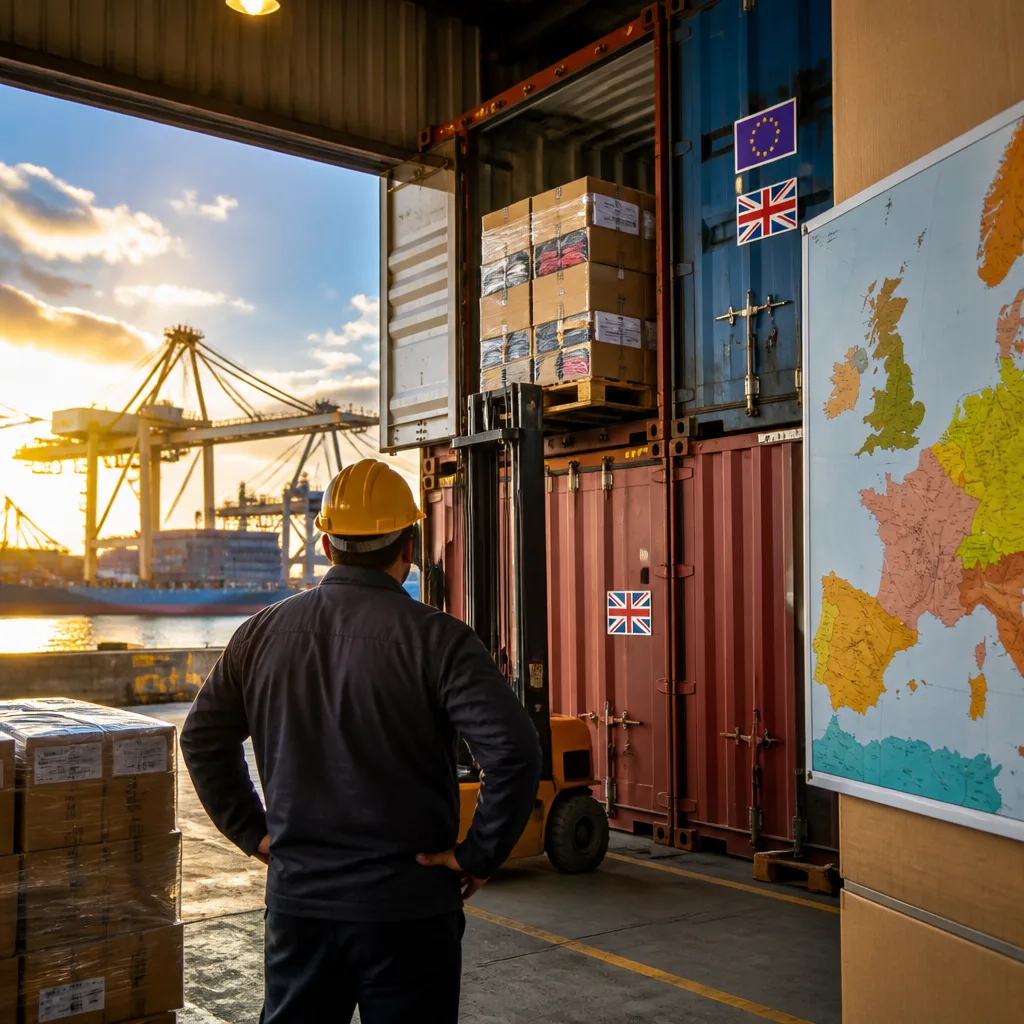
Raymond Lifestyle plans to raise the share of European markets to around 20–25% of its exports within the next two years, the company’s chief executive said, as India’s trade agreements with the UK and moves towards a free trade deal with the European Union reshape opportunities for apparel exporters.
Exports strategy and shifting market mix
Speaking to Reuters, Chief Executive Officer Satyaki Ghosh said the company expects Europe to account for roughly a quarter of its exports as Indian exporters diversify away from the US following recent tariff disruptions. Historically, the US has been Raymond Lifestyle’s largest export destination — accounting for about 65% of exports before the tariff actions referred to in the reporting. Ghosh estimated that the US share would decline to 55–60% over the next two years, while Europe’s contribution could rise to 20–25%.
"Europe will grow faster for us," Ghosh told Reuters.
The company has already noticed a pickup in commercial interest from Europe, reporting double‑digit growth in enquiries after announcements on trade agreements. The shift reflects exporters reassessing exposure to the US market and seeking improved access to the UK and European markets.
Trade deals opening new lanes
India’s trade pact with Britain came into effect in July, cutting tariffs on a wide range of goods and services and improving market access for Indian exporters. Separately, India and the European Union have been negotiating a free trade agreement, with reporting indicating the deal could be formally signed by the end of 2026. Raymond Lifestyle expects both developments to help accelerate demand in markets where it already has a presence.
| Market | Historic share (pre‑tariff) | Projected share (next 2 years) |
|---|---|---|
| United States | 65% | 55–60% |
| Europe | ~17% | 20–25% |
What this means for exporters and buyers
- Diversification: Indian apparel firms may accelerate efforts to diversify customers and reduce concentration risk tied to the US market.
- Higher European demand: Tariff reductions and improved market access can translate into greater price competitiveness for Indian suppliers in the UK and EU.
- Supply‑chain implications: Firms could reallocate production, sourcing and sales resources to capture rising European orders, affecting logistics and compliance priorities.
For consumers and buyers, greater export focus on Europe could mean faster availability of Indian apparel lines in UK and EU retail channels and potentially more competitive pricing if tariff gains are passed through.
Context for the textiles sector
The move by Raymond Lifestyle is part of a broader industry trend as apparel exporters assess global trade policy risks. The company’s stated intention to grow European exports comes amid global shifts in trade relationships and evolving tariff regimes that have prompted Indian firms to diversify markets. Raymond Lifestyle, which had depended heavily on the US historically, views Europe as a faster‑growing opportunity bolstered by recent agreements.
While management cited increased enquiries and ongoing customer discussions in Europe, longer‑term outcomes will depend on implementation of trade commitments, cost competitiveness, and how fast buyers convert enquiries into orders. The company voiced confidence that improved access through the UK pact and a prospective EU deal will underpin its expansion plans.
The shift also underlines how bilateral and regional trade agreements can reposition exporters within global value chains, creating both near‑term opportunities and strategic adjustments for Indian exporters and suppliers.
(Reportage based on Reuters interviews and company comments reported to Reuters.)