Water releases revive paddy transplanting but dam levels remain a concern
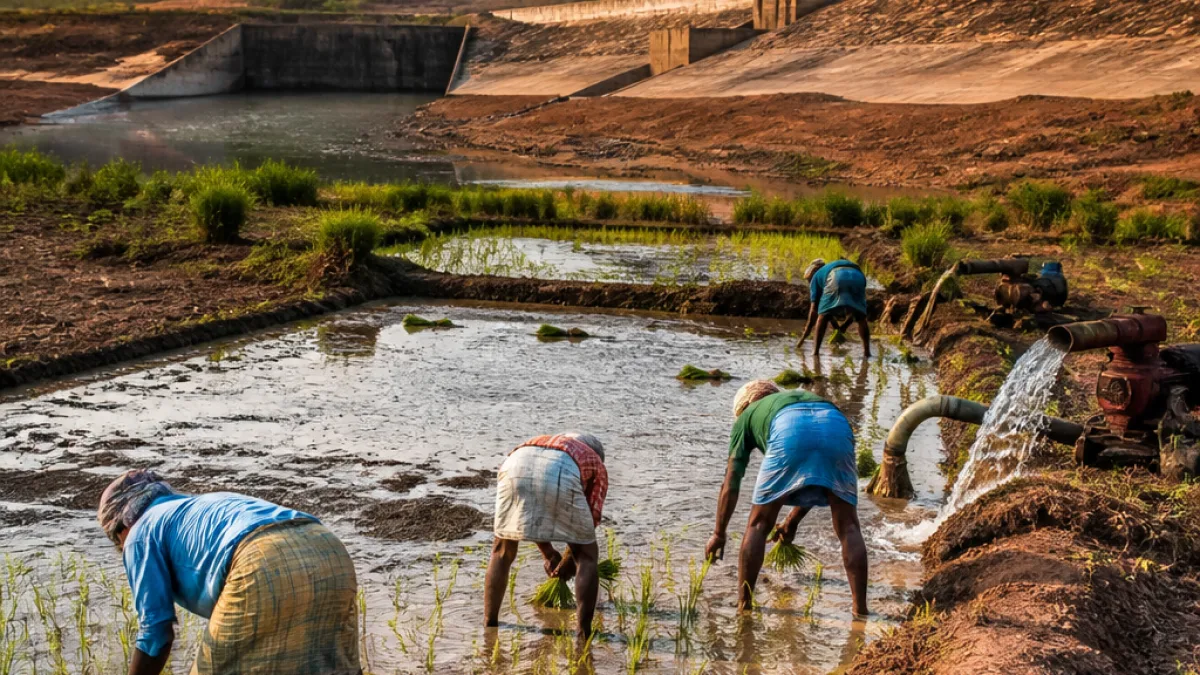
Mysuru: The release of water from the Krishna Raja Sagar (KRS) and Kabini reservoirs to irrigation canals has given a much‑needed boost to paddy sowing in Mysuru and neighbouring Chamarajanagar districts, the Times of India reported. The Cauvery Irrigation Consultative Committee (ICC) has directed canal releases on an on‑and‑off basis in four rotational cycles, prompting farmers to ready fields and seedlings for transplantation from the third week of August.
The ICC meeting, chaired by Water Resources Minister N. Cheluvarayaswamy in Bengaluru, recommended a staggered release pattern across Cauvery basin districts to manage limited inflows while meeting irrigation needs. The committee’s decision followed concerns that both KRS and Kabini had earlier shown delayed filling this season, adversely affecting the usual June–July paddy sowing window.
"Water was released to canals only on an on‑and‑off basis to take up sowing of less water‑intensive crops, and wide publicity was also given to farmers to stop growing paddy and extending sugarcane cultivation this year," Joint Director of Agriculture K.H. Ravi was quoted as saying.
Officials say only farmers with irrigation pumpset facilities have taken up paddy sowing immediately after the canal releases. The constrained supply and advisories to reduce paddy acreage have led many to delay or avoid transplanting.
- District targets: Mysuru aims for paddy cultivation across 86,000 hectares this year; Chamarajanagar is targeting 23,000 hectares.
- Timing: In previous years, early dam filling and sustained releases enabled sowing in late June and July; this year sowing gained momentum only from the third week of August.
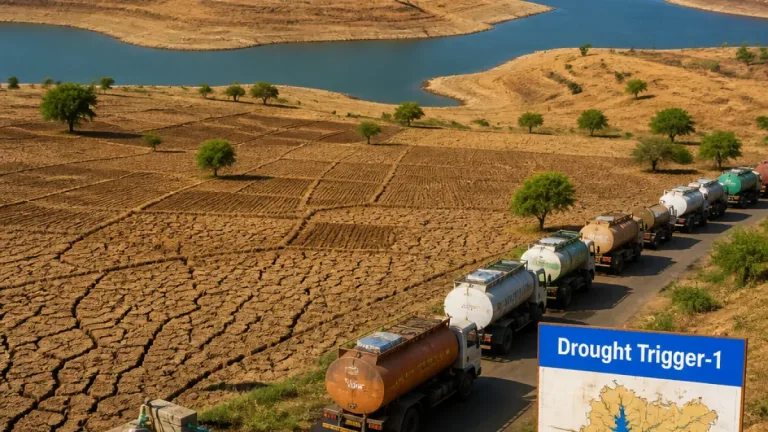
- Dam levels: KRS water level fell from 109 feet last week to 108.48 feet amid poor inflows and inter‑state releases, raising concern among local growers.
Local impact and farmers’ choices
The delayed filling of KRS and Kabini reservoirs disrupted customary sowing schedules, pushing many farmers to reconsider cropping choices. Agricultural officials and the ICC have promoted switching to less water‑intensive crops and extending area under sugarcane in some tracts, while permitting limited paddy where irrigation availability exists.
For many smallholders who lack reliable pump‑set irrigation, canal releases timed in rotational cycles mean an uncertain water supply that complicates nursery management and transplant schedules. The result is a patchy sowing pattern across taluks such as H.D. Kote and others dependent on Kabini flows.
| District | Paddy target (hectares) | Current situation |
|---|---|---|
| Mysuru | 86,000 | Sowing gained momentum from third week of Aug; mainly pump‑set users |
| Chamarajanagar | 23,000 | Sowing underway in parts; affected by delayed reservoir filling |
Concerns over inter‑state releases and inflows
Officials and farmers in the region have expressed apprehension about falling water levels as releases to Tamil Nadu continue to draw down storage. The Times of India report noted KRS’s level drop and flagged poor inflows as a primary reason the reservoir did not fill on schedule this year.
Agriculture department functionaries have urged farmers to align crop plans with available irrigation and to use water‑saving practices where possible. The department is also monitoring the rotational canal schedules to help coordinate nursery stages and transplantation timings.
With monsoon progress and upstream inflows still uncertain, district administrations face the challenge of balancing irrigation needs against reservoir sustainability and downstream obligations. How growers adapt in the coming weeks will determine whether planting targets can be met without exacerbating water stress in the basin.