State adviser says infrastructure critical as Mangaluru builds tech ecosystem
MANGALURU: Mangaluru has many of the components required to develop into a significant business and technology ecosystem, but the availability of robust infrastructure will determine the pace and scale of its growth, LK Atheeq, Finance Adviser to the Chief Minister and chairman of the Bengaluru Business Corridor, said on Wednesday.
Atheeq delivered the keynote address as chief guest at Mangaluru Technovanza 2026 and later took part in a policy-industry-capital dialogue on the city's economic prospects. He highlighted educational institutions, a skilled workforce, an entrepreneurial culture, land and natural resources as strengths that position Mangaluru favourably for industrial and technological expansion.
"Small it is, but still Mangaluru is emerging as an ecosystem where most of the ingredients are coming together. One of the key ingredients that is needed would be infrastructure,"
Atheeq pointed to specific assets in and around Mangaluru. He noted roughly 25 engineering colleges in the region that together produce about 50,000 engineering graduates, and cited higher-education institutions including Mangaluru University and the National Institute of Technology Karnataka (NITK), Surathkal.
Addressing the city's entrepreneurial ethos, Atheeq referred to Mangaluru's historical link with the banking sector as a contributor to risk-taking and enterprise formation. He said several recent government decisions taken at a special state Cabinet meeting held in Mangaluru on September 18 could strengthen the coastal region's economic potential.
Policies and opportunities highlighted
The adviser named two policy moves that could materially affect investment interest in the region:
- Coastal and Malnad Karnataka Tourism Policy — expected to boost tourism-linked economic activity along the coast and hill tracts.
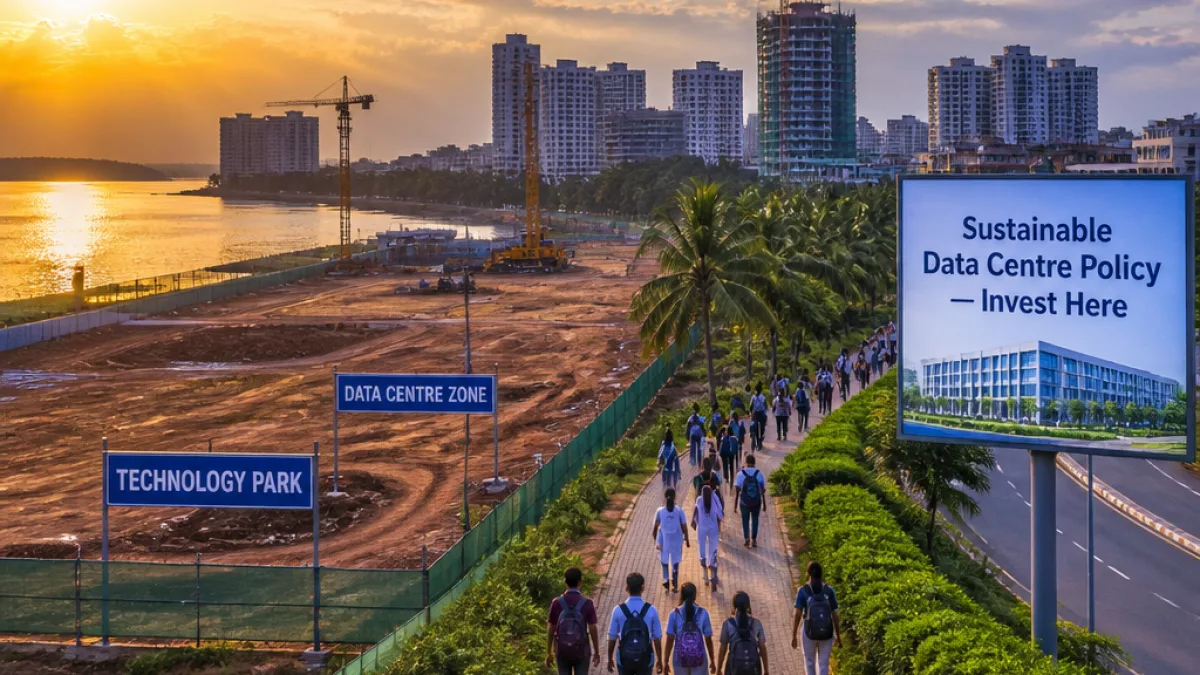
- Sustainable Data Centre Policy — seen as an enabler for setting up data centres in locations with adequate water and power.
Given Mangaluru's coastal location and reliable water availability, Atheeq said the data-centre policy could open significant opportunities. He added that the government is actively exploring the establishment of more data centres and seeking an investor for a cable landing station, discussions for which are already underway.
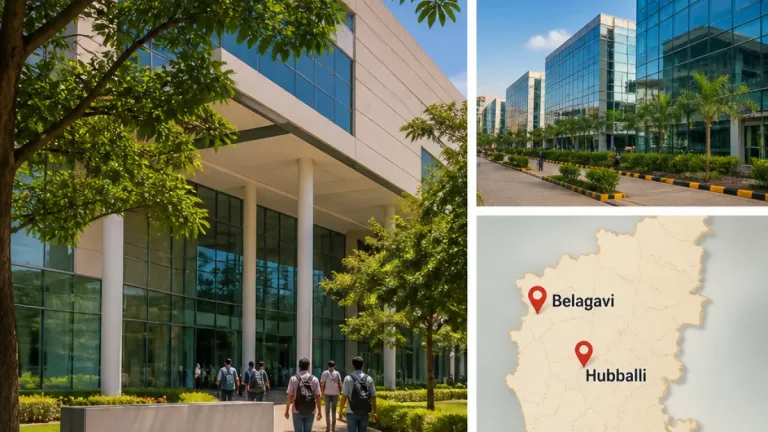
The state is also looking at proposals for new technology parks to broaden the portfolio of innovation clusters beyond Bengaluru. Atheeq said the government intends to promote vibrant economic clusters in several regions, naming Mysuru-Chamarajanagar, Mangaluru-Udupi-Manipal, Hubballi-Dharwad and Belagavi as focal areas.
| Strengths Cited | Implication for Mangaluru |
|---|---|
| Educational institutions and skilled graduates | Source of talent for tech firms and data centres |
| Coastal location, water and land | Suitable for data-centre infrastructure and cable landing |
| Entrepreneurial culture, banking legacy | Local capital and risk appetite for startups and SMEs |
Comparisons and next steps
Atheeq compared Mangaluru's competitive advantages with established global hubs such as Singapore and Dubai, saying the city benefits from natural and human-resource endowments including water, land, power and talent. He stressed that focused infrastructure investments and policy support would be decisive in translating potential into jobs and enterprises.
Stakeholders at Technovanza included industry participants, academics and investors who discussed policy, industry requirements and capital formation for the coastal region. The dialogue underscored the need for coordinated action between state agencies, local authorities and private investors to develop the physical and regulatory infrastructure necessary for technology-led growth.
While details on timelines and specific investment commitments were not disclosed, the combination of state policy signals and local educational capacity suggests Mangaluru could attract interest from data-centre operators, technology park developers and infrastructure investors if enabling conditions—particularly land, power and connectivity—are addressed.
For Mangaluru residents and local businesses, the immediate implications include potential new employment avenues for engineering graduates, prospects for ancillary service providers, and a need for civic authorities to plan urban services and infrastructure in anticipation of industrial clustering.