Meta has increased its efforts to curb the circulation and reappearance of child sexual abuse material (CSAM) on its services in India while holding ongoing discussions with the Ministry of Electronics and Information Technology (MeitY), a report said on Tuesday.
Government presses platforms on legal compliance
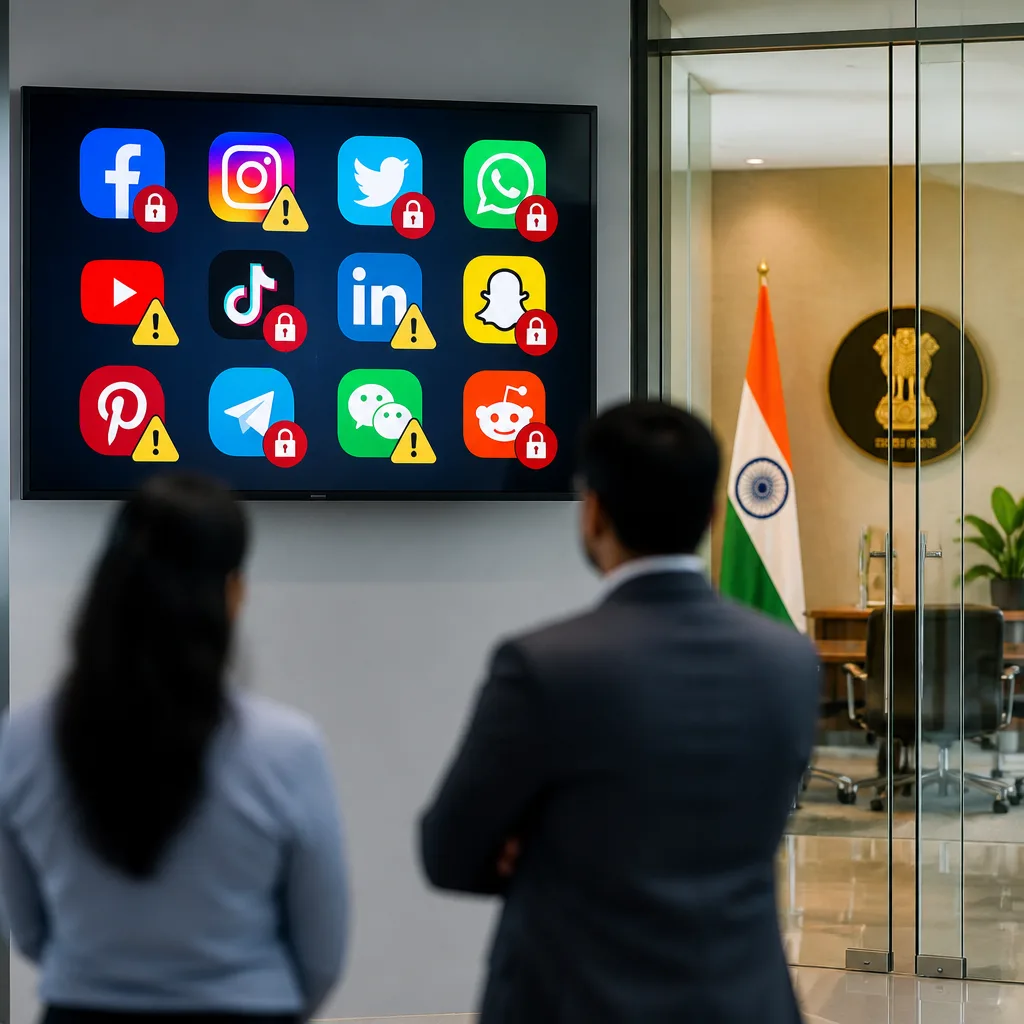
The engagement, reported by NDTV Profit and summarised by other outlets, centres on how digital platforms identify, remove and prevent previously flagged illegal material from reappearing. The discussions underline that platforms operating in India must meet statutory obligations or risk losing the shield of safe harbour protection afforded under the law.
MeitY officials have emphasised that the ministry is not seeking to impose blanket censorship, the report said, but is focused on ensuring that technology companies adhere to Indian legal requirements for content moderation and removal. Officials also urged platforms to factor in India’s cultural context when shaping moderation policies.
Meta’s technical and operational response
According to the report, Meta is taking steps to tackle the resurfacing problem and is reviewing processes for detecting and blocking content that has already been identified as abusive. The company has long used a mixture of automated detection tools and human review for CSAM, and the report suggests renewed emphasis on preventing reposts and variants of removed items.
Sources cited by the report say the company is particularly cautious because CSAM constitutes a clear violation of Indian law and invites serious legal and reputational consequences. The report does not provide additional detail on specific technologies or timelines for the measures being discussed.
"Platforms need to strike the right balance between social good and harms," the report said.
Policy context and risks for platforms
Under India’s intermediary rules and information technology laws, platforms that fail to comply with lawful takedown orders or other regulatory requirements can be deprived of safe harbour protections that limit liability for user-generated content. The government’s position, as reported, is that such powers will be exercised sparingly but decisively where legal obligations are unmet.
MeitY’s focus extends beyond CSAM to other online harms, including addiction, exploitation and culturally sensitive content. The ministry has been engaging with global technology firms to ensure platforms’ content moderation systems are responsive to local legal and societal considerations.
Implications for users and platforms
For users, renewed attention on preventing CSAM resurfacing could mean faster removals and more proactive blocking of known abusive material, but it may also lead to stricter content filtering that platforms must calibrate to avoid over‑removal of lawful material. For platforms, the discussions reinforce the need for robust detection systems, clear escalation processes and local compliance mechanisms.
- Legal stakes: Loss of safe harbour would increase legal exposure for platforms operating in India.
- Operational change: Expect intensified use of detection tools and review processes to prevent reposts.
- Policy balance: Authorities stress adherence to law without pursuing indiscriminate censorship.
The report does not quote specific MeitY spokespeople or Meta officials directly, and it offers no technical specifications for the detection or prevention measures under discussion. Both the Indian government and platform operators face the practical challenge of removing illegal content while maintaining the free flow of legitimate speech online.
As these consultations continue, attention will remain on how global technology companies adapt their moderation practices to India’s legal framework and how regulators calibrate enforcement so that it is effective without becoming unduly restrictive.